

In recent years, the concept of green cleaning solutions has gained significant traction among environmentally conscious consumers. Green cleaning refers to the use of non-toxic, environmentally friendly products and methods to clean homes and workplaces. This approach not only promotes a healthier living environment but also reduces the ecological footprint associated with traditional cleaning practices. As awareness of the harmful effects of chemical cleaners grows, many individuals are seeking alternatives that are both effective and safe for their families and pets.
The shift towards green cleaning solutions is not merely a trend; it represents a fundamental change in how people perceive cleanliness and health. By opting for natural ingredients and sustainable practices, individuals can contribute to a cleaner planet while ensuring their living spaces are free from harmful toxins. This article will explore the myriad benefits of green cleaning, provide practical recipes for homemade cleaners, and offer tips on how to incorporate these practices into daily life.
If you’re interested in maintaining a clean and healthy home environment, you might find the article on stress-free exit cleaning particularly useful. It offers valuable insights and tips that complement the principles of green cleaning solutions, ensuring that your cleaning practices are both effective and environmentally friendly. You can read more about it here: Top Tips for Stress-Free Exit Cleaning in Wyndham.
Benefits of Using Green Cleaning Solutions
The benefits of using green cleaning solutions extend far beyond mere aesthetics. One of the most significant advantages is the health aspect. Traditional cleaning products often contain harsh chemicals that can lead to respiratory issues, skin irritations, and other health problems. In contrast, green cleaning solutions utilize natural ingredients that are less likely to cause adverse reactions. This is particularly important for households with children, pets, or individuals with allergies or sensitivities.
Moreover, green cleaning solutions are beneficial for the environment. Many conventional cleaners contribute to water pollution and the depletion of natural resources. By choosing eco-friendly products, individuals can help reduce their carbon footprint and promote sustainability. Additionally, many green cleaning products are biodegradable, meaning they break down naturally without harming ecosystems. This commitment to environmental stewardship is a compelling reason for many to make the switch to greener alternatives.
Common Household Ingredients for Green Cleaning
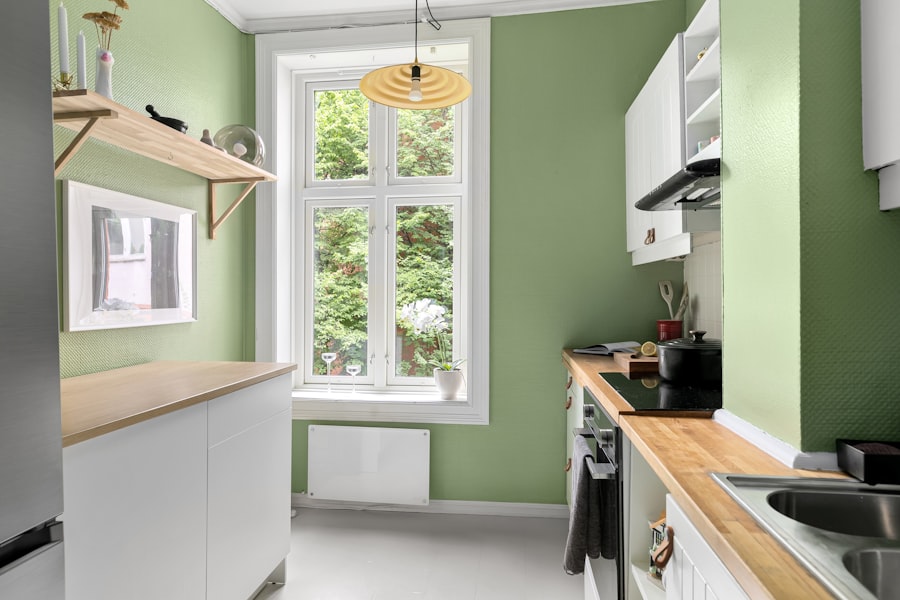
Creating effective green cleaning solutions often involves using common household ingredients that are both safe and effective. One of the most versatile ingredients is vinegar, which possesses natural antibacterial properties and can be used to clean glass, countertops, and even laundry. Baking soda is another powerhouse ingredient; it acts as a gentle abrasive and deodorizer, making it ideal for scrubbing surfaces and neutralizing odors.
Lemon juice is also a popular choice due to its natural acidity and pleasant scent. It can be used to cut through grease and grime while leaving a fresh aroma behind. Essential oils, such as tea tree oil or lavender oil, not only add fragrance but also provide additional antibacterial properties. By utilizing these common ingredients, individuals can create effective cleaning solutions without resorting to harmful chemicals.
Homemade Green Cleaning Recipes

Crafting homemade green cleaning solutions is both simple and rewarding. One popular recipe is a multi-surface cleaner made from equal parts water and vinegar, with a few drops of essential oil for fragrance. This solution can be used on countertops, tables, and other surfaces to eliminate dirt and bacteria effectively. For those looking to tackle tough stains or grime, a paste made from baking soda and water can be applied directly to the affected area and scrubbed away.
Another effective recipe is a glass cleaner that combines one cup of water, one cup of vinegar, and a tablespoon of cornstarch. This mixture not only cleans glass surfaces but also leaves them streak-free. For bathrooms, a mixture of baking soda and vinegar can be used to clean toilets and sinks effectively. These homemade recipes are not only cost-effective but also allow individuals to control the ingredients they use in their homes.
If you’re exploring eco-friendly options for maintaining a clean home, you might find it helpful to read about the benefits of steam cleaning in this informative article. Steam cleaning not only sanitizes surfaces but also revitalizes items like mattresses, making it a great complement to green cleaning solutions. For more insights on how to enhance your cleaning routine, check out this article on revitalizing your mattress with steam cleaning.
Eco-Friendly Cleaning Products
| Green Cleaning Solution | Effectiveness | Environmental Impact | Cost Efficiency | Common Uses |
|---|---|---|---|---|
| Vinegar | High for glass and surface cleaning | Low impact, biodegradable | Very cost efficient | Glass, countertops, floors |
| Baking Soda | Moderate for deodorizing and scrubbing | Low impact, non-toxic | Very cost efficient | Deodorizing carpets, scrubbing sinks |
| Lemon Juice | Moderate for stain removal and deodorizing | Low impact, biodegradable | Cost efficient | Removing stains, freshening surfaces |
| Castile Soap | High for general cleaning | Low impact, biodegradable | Moderate cost efficiency | All-purpose cleaner, dishes, floors |
| Essential Oils (e.g., Tea Tree, Lavender) | Moderate for antibacterial properties | Low impact, natural | Moderate cost efficiency | Air freshening, antibacterial cleaning |
For those who prefer ready-made solutions, there is an increasing availability of eco-friendly cleaning products on the market. These products are formulated with natural ingredients that are safe for both human health and the environment. Many brands now offer biodegradable packaging and cruelty-free testing practices, making them an excellent choice for conscientious consumers.
When selecting eco-friendly cleaning products, it is essential to look for certifications such as Green Seal or EcoLogo, which indicate that the product meets specific environmental standards. Additionally, reading labels can help consumers avoid products containing harmful chemicals like phosphates or synthetic fragrances. By choosing eco-friendly options, individuals can maintain a clean home while supporting sustainable practices.
Tips for Implementing Green Cleaning Practices
For a spotless and hygienic living space, consider hiring aka best home cleaning service provider.
Transitioning to green cleaning practices may seem daunting at first, but with a few simple tips, anyone can make the switch seamlessly. One effective strategy is to start small by replacing one conventional product at a time with a green alternative. This gradual approach allows individuals to assess the effectiveness of new products without feeling overwhelmed.
Another helpful tip is to create a cleaning schedule that incorporates green practices into daily routines. For instance, setting aside time each week for deep cleaning with homemade solutions can help establish consistency. Additionally, involving family members in the process can make it more enjoyable and foster a collective commitment to maintaining a healthy home environment.
Green Cleaning for Specific Areas of the Home
Different areas of the home may require tailored green cleaning approaches to address specific needs effectively. In the kitchen, where food preparation occurs, it is crucial to maintain high hygiene standards. A mixture of vinegar and water can be used to sanitize countertops and cutting boards without leaving harmful residues behind.
In bathrooms, where mold and mildew can thrive, a combination of baking soda and vinegar can be particularly effective in tackling these issues. Regularly scrubbing tiles and grout with this mixture not only cleans but also helps prevent future growth. By understanding the unique requirements of each area in the home, individuals can implement targeted green cleaning strategies that yield optimal results.
Green Cleaning for Different Surfaces
Different surfaces require different cleaning techniques to ensure they remain in good condition while being cleaned effectively. For hardwood floors, using a mixture of vinegar and water can help remove dirt without damaging the finish. It is essential to avoid excessive moisture on wood surfaces; therefore, using a damp mop rather than soaking the floor is advisable.
For stainless steel appliances, a simple solution of olive oil can be used to polish and protect the surface while removing fingerprints and smudges. Glass surfaces benefit from vinegar-based cleaners that leave them streak-free and sparkling. By tailoring cleaning methods to specific surfaces, individuals can maintain their home’s appearance while adhering to green cleaning principles.
How to Make Green Cleaning a Habit
Making green cleaning a habit requires commitment and consistency. One effective way to instill this practice is by setting specific goals related to cleaning routines. For example, individuals might aim to use homemade cleaners exclusively within a month or commit to researching new eco-friendly products each week.
Additionally, creating reminders or checklists can help reinforce these habits over time. Placing notes in visible areas or using digital reminders on smartphones can serve as prompts to encourage adherence to green cleaning practices. By integrating these strategies into daily life, individuals can cultivate a sustainable approach to cleanliness that benefits both their homes and the environment.
Green Cleaning for Allergies and Sensitivities
For those with allergies or sensitivities, green cleaning solutions offer a safe alternative to traditional products that may exacerbate symptoms. Many conventional cleaners contain harsh chemicals that can trigger allergic reactions or respiratory issues. By opting for natural ingredients like vinegar or baking soda, individuals can create effective cleaning solutions that minimize exposure to irritants.
Furthermore, incorporating air-purifying plants into living spaces can enhance indoor air quality while complementing green cleaning efforts. Plants such as spider plants or peace lilies are known for their ability to filter toxins from the air naturally. By combining green cleaning practices with mindful choices regarding indoor air quality, individuals can create healthier living environments for themselves and their families.
Conclusion and Resources for Green Cleaning Solutions
In conclusion, embracing green cleaning solutions offers numerous benefits for both personal health and environmental sustainability. By utilizing common household ingredients, crafting homemade recipes, or selecting eco-friendly products, individuals can maintain clean homes without compromising their well-being or that of the planet. The transition to greener practices may require some effort initially; however, the long-term rewards are well worth it.
For those seeking additional resources on green cleaning solutions, numerous websites provide valuable information on recipes, product recommendations, and tips for sustainable living. Organizations such as the Environmental Protection Agency (EPA) offer guidelines on safe cleaning practices while promoting eco-friendly alternatives. By leveraging these resources, individuals can continue their journey towards creating healthier homes through green cleaning solutions.
In Melbourne CBD and surrounding areas like Werribee, Point Cook, Tarneit, Melton, Altona, Williamstown, Sunshine, St Albans, Footscray, Rockbank, Truganina, Laverton, Manor Lakes, Hoppers Crossing, Wyndham Vale, and Williams Landing, communities are increasingly embracing these sustainable practices as part of their commitment to environmental stewardship and personal well-being.
FAQs
What are green cleaning solutions?
Green cleaning solutions are cleaning products and methods that use natural, non-toxic, and environmentally friendly ingredients. They avoid harmful chemicals and reduce pollution, making them safer for both people and the planet.
What are common ingredients used in green cleaning products?
Common ingredients in green cleaning products include vinegar, baking soda, lemon juice, castile soap, essential oils, and plant-based surfactants. These ingredients are biodegradable and generally safe for household use.
Are green cleaning solutions as effective as traditional cleaning products?
Yes, many green cleaning solutions are effective for everyday cleaning tasks such as removing dirt, grease, and stains. However, for certain heavy-duty cleaning or disinfecting needs, some green products may require more time or effort compared to conventional chemicals.
How do green cleaning solutions benefit indoor air quality?
Green cleaning solutions typically emit fewer volatile organic compounds (VOCs) and toxic fumes than traditional cleaners. This helps improve indoor air quality, reducing respiratory irritation and allergic reactions for occupants.
Can I make my own green cleaning products at home?
Yes, many green cleaning products can be made at home using simple ingredients like vinegar, baking soda, and lemon juice. Homemade solutions are cost-effective, customizable, and free from synthetic chemicals.