

When it comes to moving out of a rental property, one of the most crucial tasks on your checklist is end of lease cleaning. This process is not just about tidying up; it’s about ensuring that the property is returned in pristine condition to avoid losing your security deposit. As an industry leader in cleaning services, we understand the importance of this task and the stress it can cause. Our expertise in end of lease cleaning has helped countless tenants transition smoothly from one home to another, ensuring they leave behind a spotless space.
End of lease cleaning is often a requirement set by landlords or property managers. It’s designed to restore the property to its original state, making it ready for the next tenant. This cleaning process can be overwhelming, especially if you’re juggling packing and moving logistics. However, with the right approach and a bit of guidance, you can tackle this task effectively.
In this article, we’ll explore common problems encountered during end of lease cleaning and provide tips on how to address them, ensuring you leave your rental property in impeccable condition.
Key Takeaways
- End of lease cleaning is a crucial step in the moving process to ensure the return of the security deposit.
- Common problems in end of lease cleaning include stains on walls and floors, grease buildup in kitchen appliances, grime and mold in bathrooms, and dust and dirt in hard to reach areas.
- Stains and marks on walls and floors can be effectively removed with the right cleaning products and techniques.
- Kitchen appliances often have grease buildup that requires thorough cleaning to pass the final inspection.
- Bathroom grime and mold can be removed with the use of mold-killing products and deep cleaning techniques.
Common End of Lease Cleaning Problems
Time Constraints: A Major Hurdle
One prevalent problem is the lack of time. Many tenants underestimate how long it will take to clean an entire property, especially if they have not maintained it regularly. This can lead to rushed cleaning jobs that don’t meet the standards required for a successful inspection.
Lack of Resources: A Common Obstacle
Additionally, some tenants may not have the right tools or cleaning products on hand, which can hinder their ability to achieve a thorough clean.
Planning Ahead: The Key to Success
By being aware of these potential pitfalls, you can plan accordingly and ensure that your end of lease cleaning goes as smoothly as possible.
Stains and Marks on Walls and Floors
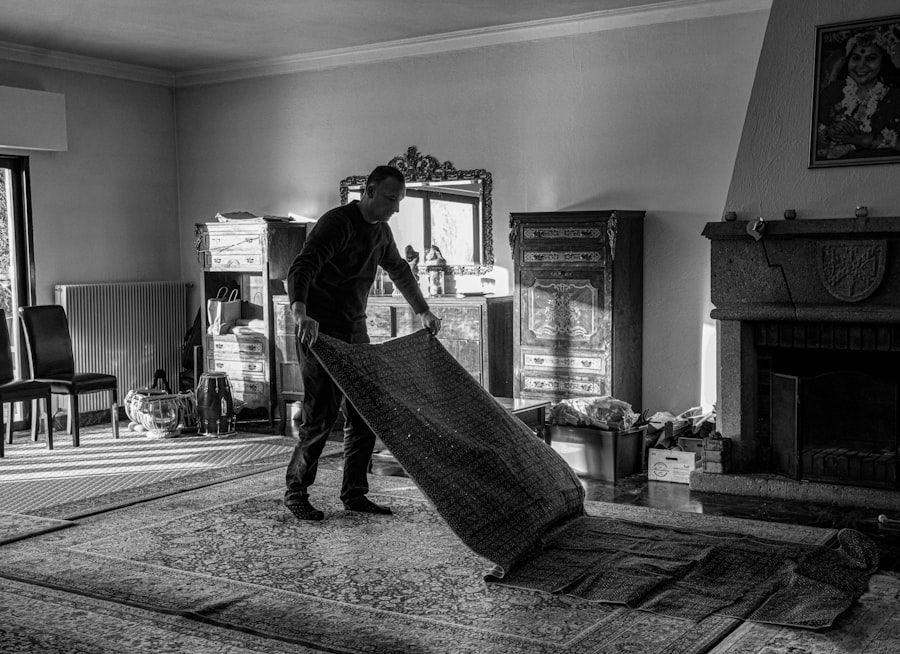
Stains and marks on walls and floors are among the most common issues faced during end of lease cleaning. Whether it’s scuff marks from furniture or stains from spills, these blemishes can be unsightly and may lead to deductions from your security deposit. The good news is that many stains can be removed with the right techniques and products. For walls, a simple mixture of warm water and mild detergent can work wonders. Use a soft cloth or sponge to gently scrub the affected areas.
For tougher stains, consider using a magic eraser or a specialized wall cleaner. When it comes to floors, the approach will depend on the type of flooring you have. For hardwood floors, a gentle cleaner specifically designed for wood is ideal, while tile floors may require a more robust cleaner to tackle grime in grout lines.
By addressing these stains proactively, you can significantly improve the overall appearance of the property.
Kitchen Appliances and Grease Buildup
| Appliance | Grease Buildup (in %) |
|---|---|
| Stove | 30% |
| Oven | 25% |
| Range Hood | 40% |
| Microwave | 20% |
The kitchen is often the heart of the home, but it can also be a hotspot for grease buildup and grime. When it comes to end of lease cleaning, ensuring that kitchen appliances are spotless is crucial. Landlords typically expect ovens, stovetops, refrigerators, and microwaves to be thoroughly cleaned before you hand over the keys. To effectively clean kitchen appliances, start by removing any removable parts. For example, take out oven racks and soak them in warm soapy water while you tackle the interior of the oven.
A mixture of baking soda and vinegar can be particularly effective for cutting through tough grease. Don’t forget to clean behind and underneath appliances as well; this area often accumulates dust and food particles that can be easily overlooked. By dedicating time to this task, you’ll ensure that your kitchen meets the cleanliness standards expected by your landlord.
Bathroom Grime and Mold
Bathrooms are notorious for accumulating grime and mold, making them one of the most challenging areas to clean during an end of lease cleaning. From soap scum on shower doors to mold in grout lines, these issues require special attention. A clean bathroom not only looks appealing but also helps prevent any potential health hazards associated with mold. To tackle bathroom grime effectively, start with a good quality bathroom cleaner. Spray it generously on surfaces like sinks, tubs, and toilets, allowing it to sit for a few minutes before scrubbing.
For moldy areas, a mixture of bleach and water can be effective; however, always ensure proper ventilation when using strong chemicals. Pay special attention to corners and crevices where mold tends to thrive. By ensuring your bathroom is spotless, you’ll leave a lasting impression on your landlord.
Carpets and Upholstery
Deep Cleaning Carpets
For carpets, consider hiring a professional steam cleaning service if your budget allows. This method not only deep cleans but also helps eliminate odors trapped within the fibers.
DIY Carpet Cleaning
If you prefer a DIY approach, renting a carpet cleaner from a local store can also yield great results.
Cleaning Upholstery
For upholstery, vacuuming thoroughly followed by spot cleaning with an appropriate fabric cleaner can help restore their appearance. By investing time in these areas, you’ll enhance the overall cleanliness of your home.
Dust and Dirt in Hard to Reach Areas
Dust and dirt often accumulate in hard-to-reach areas that are easily overlooked during regular cleaning. These spots include ceiling fans, light fixtures, baseboards, and behind furniture. During end of lease cleaning, it’s essential to address these areas to ensure a thorough clean. Using an extendable duster or vacuum attachment can make it easier to reach high places. For baseboards and corners, a damp cloth or sponge can help lift dust effectively.
Don’t forget to check behind large furniture pieces; moving them may reveal dust bunnies that have been hiding away for months! By taking the time to clean these often-neglected areas, you’ll demonstrate your commitment to leaving the property in excellent condition.
Final Inspection and Re-cleaning Requirements
As you approach the end of your lease term, preparing for the final inspection is crucial. This is your opportunity to showcase all your hard work during the end of lease cleaning process. Many landlords will conduct a thorough walkthrough to assess whether the property meets their cleanliness standards. If any areas do not meet expectations during this inspection, landlords may require re-cleaning. To avoid this situation, consider creating a checklist based on your landlord’s requirements or using a professional cleaning service that specializes in end of lease cleaning.
This way, you can ensure that every corner is addressed before handing over the keys. Remember that a clean property not only helps you secure your deposit but also leaves a positive impression on your landlord. In conclusion, end of lease cleaning is an essential part of moving out that requires careful planning and execution.
By addressing common problems such as stains on walls and floors, grease buildup in kitchen appliances, bathroom grime, carpets and upholstery care, dust in hard-to-reach areas, and preparing for final inspections, you can ensure a smooth transition from one home to another.
If you find yourself overwhelmed by this process or simply want peace of mind knowing it’s done right, consider reaching out to our professional cleaning services for assistance. We’re here to help make your move as stress-free as possible!
FAQs
What are common problems in end of lease cleaning?
Some common problems in end of lease cleaning include removing stubborn stains, cleaning hard-to-reach areas, and ensuring all areas of the property are thoroughly cleaned.
How can I remove stubborn stains during end of lease cleaning?
Stubborn stains can be removed during end of lease cleaning by using appropriate cleaning products and techniques, such as using a stain remover or scrubbing with a brush. It’s important to follow the instructions on the cleaning products and test them on a small, inconspicuous area first.
What are some hard-to-reach areas that need to be cleaned during end of lease cleaning?
Hard-to-reach areas that need to be cleaned during end of lease cleaning include behind appliances, inside cabinets and drawers, and high ceilings or light fixtures. It’s important to pay attention to these areas to ensure a thorough cleaning.
How can I ensure all areas of the property are thoroughly cleaned during end of lease cleaning?
To ensure all areas of the property are thoroughly cleaned during end of lease cleaning, it’s important to create a checklist and systematically go through each room and area. Pay attention to details such as baseboards, window sills, and door frames, and don’t forget to clean outdoor areas such as balconies or patios.