

A commercial cleaner is a professional entrusted with the cleanliness and sanitation of various commercial establishments. This occupation plays a pivotal role in maintaining health, safety, and a presentable image for businesses across diverse sectors. Unlike residential cleaning, commercial cleaning often involves larger areas, specialized equipment, and adherence to specific industry regulations. The scope of their work is broad, encompassing tasks from general tidiness to deep sanitation and preventative maintenance.
The services offered by commercial cleaners are multifaceted and tailored to the specific needs of each client. These services can range from routine daily maintenance to periodic deep cleaning and specialized treatments. For top-notch office maintenance, consider hiring aka best cleaning services provider to ensure a spotless environment.
General Maintenance Cleaning
General maintenance cleaning forms the backbone of commercial cleaning operations. It focuses on the day-to-day upkeep that ensures a consistent level of cleanliness.
- Dusting and Wiping: This involves the removal of dust from all accessible surfaces, including desks, shelves, windowsills, and electronic equipment. Wiping down surfaces with appropriate cleaning solutions helps to remove smudges, fingerprints, and minor spills. Properly executed dusting and wiping serves as a first line of defense against allergen buildup and surface grime.
- Vacuuming and Mopping: Floors, whether carpeted or hard-surfaced, are subjected to constant traffic and require regular attention. Vacuuming effectively removes loose dirt, dust, and debris from carpets, while mopping with suitable detergents sanitizes and cleans hard floors, preventing the accumulation of stubborn stains and inhibiting bacterial growth.
- Restroom Sanitation: Restrooms are high-traffic areas and critical points for hygiene. Restroom sanitation involves cleaning and disinfecting toilets, sinks, countertops, and floors. Replenishing supplies such as soap, toilet paper, and paper towels is also part of this essential service, contributing significantly to public health.
- Trash Collection: Regular emptying of waste receptacles and proper disposal of trash is essential for maintaining a clean and odor-free environment. Effective waste management extends beyond simply collecting trash; it often includes recycling programs and adherence to local waste disposal regulations.
Deep Cleaning and Specialized Services
Beyond routine maintenance, commercial cleaners offer specialized services that address more intensive cleaning challenges and specific industry requirements.
- Carpet Cleaning: Over time, carpets accumulate dirt, allergens, and stains that ordinary vacuuming cannot remove. Professional carpet cleaning utilizes methods such as hot water extraction (steam cleaning) or dry cleaning to deep clean and extend the life of carpets, improving air quality and appearance.
- Floor Stripping and Waxing: Hard floors, especially in high-traffic areas, can lose their luster and become susceptible to damage. Stripping and waxing involves removing old wax layers, deep cleaning the floor, and then applying fresh coats of protective wax to restore shine and durability.
- Window Cleaning: Clean windows significantly enhance the aesthetic appeal of a commercial building. Professional window cleaning ensures streak-free results, often involving specialized equipment for higher floors or hard-to-reach areas.
- Post-Construction Cleaning: After construction or renovation projects, sites are typically left with significant dust and debris. Post-construction cleaning is a meticulous process that prepares the space for occupancy, removing fine dust, paint splatters, and construction residue.
- Green Cleaning: With increasing environmental awareness, many businesses opt for green cleaning services. This involves using environmentally friendly cleaning products and practices that minimize negative impacts on human health and the environment.
If you’re interested in enhancing the cleanliness and appeal of your commercial space, you might find the article on outdoor cleaning particularly insightful. It discusses various techniques and benefits of maintaining outdoor areas, which can complement the services provided by a commercial cleaner. To learn more about how outdoor cleaning can revitalize your space, check out the article here: Revitalize Your Space with Outdoor Cleaning.
The Importance of Professional Commercial Cleaning
The benefits of engaging professional commercial cleaners extend far beyond a visually appealing workspace. They encompass crucial aspects of business operations and success.
Health and Safety Compliance
A paramount consideration for any business is the health and safety of its employees and customers. Professional cleaning plays a direct role in achieving and maintaining these standards.
- Disease Prevention: Regular and thorough cleaning, especially in high-touch areas, is critical for preventing the spread of germs and viruses. In a world increasingly aware of pathogens, this aspect has gained renewed importance. Disinfecting surfaces effectively reduces the risk of outbreaks and protects the well-being of building occupants.
- Allergen Reduction: Dust, pollen, and other allergens can accumulate in various parts of a commercial building, contributing to respiratory issues and discomfort. Professional cleaning services employ techniques and equipment designed to minimize these irritants, creating a healthier indoor environment.
- Slip, Trip, and Fall Prevention: Wet floors, cluttered walkways, and loose debris are common hazards. Professional cleaners are trained to identify and mitigate these risks by promptly addressing spills, ensuring clear pathways, and employing proper signage. Adherence to safety protocols minimizes the likelihood of accidents and potential liability for businesses.
Enhancing Business Image and Productivity
A clean and well-maintained commercial space reflects positively on a business and can significantly impact its operational efficiency and public perception.
- First Impressions Matter: For clients and visitors, a clean facility creates a positive first impression, signaling professionalism, attention to detail, and a commitment to quality. Conversely, a dirty or disorganized space can convey a negative message, potentially deterring potential customers or partners.
- Boosted Employee Morale: Employees spend a significant portion of their day in the workplace. A clean, fresh, and organized environment can improve employee morale and job satisfaction. It contributes to a sense of well-being and respect, fostering a more positive and productive work atmosphere.
- Increased Productivity: A tidy and sanitary workspace helps employees focus on their tasks rather than being distracted by clutter or unsanitary conditions. Reduced sick days due to illness, a direct benefit of improved hygiene, further contributes to overall productivity.
Equipment and Techniques Used by Commercial Cleaners
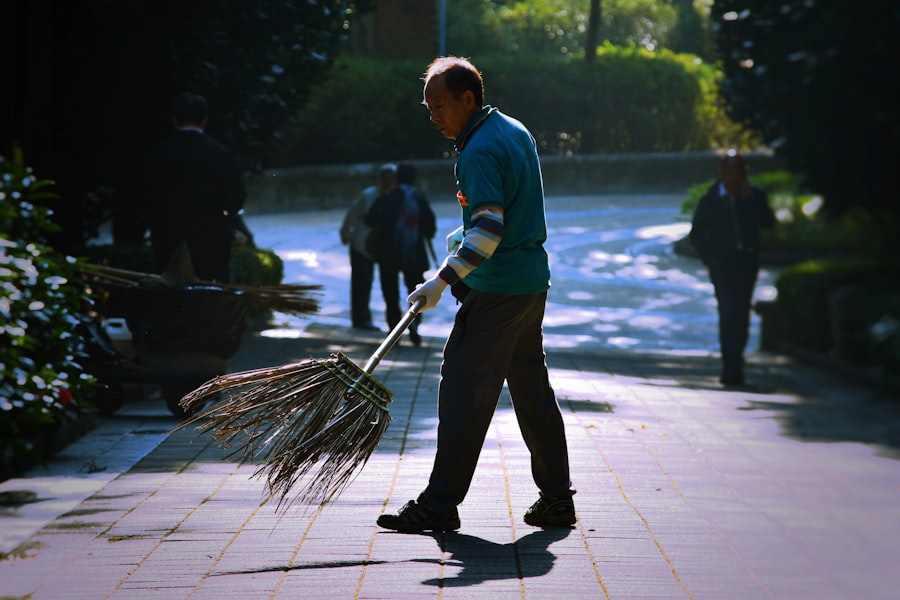
The efficacy of commercial cleaning relies heavily on the use of specialized equipment and adherence to proven techniques. These tools and methods differ significantly from those used in residential cleaning.
Specialized Cleaning Equipment
Commercial cleaners leverage a range of robust and efficient equipment to tackle large areas and diverse cleaning challenges.
- Industrial Vacuum Cleaners: Unlike domestic models, industrial vacuums are built for heavy-duty use, offering superior suction power, larger capacities, and specialized attachments for various surfaces, from carpets to hard floors and upholstery.
- Floor Scrubbers and Polishers: These machines are indispensable for maintaining hard floors. Automatic scrubbers can clean vast areas efficiently, applying cleaning solutions, scrubbing, and picking up dirty water in a single pass. Floor polishers, also known as buffers or burnishers, are used to restore shine to waxed floors.
- Carpet Extractors: Often referred to as “steam cleaners,” carpet extractors inject a cleaning solution deep into carpet fibers and then powerful suction removes the dirty water, along with embedded dirt and allergens.
- Pressure Washers: For exterior cleaning tasks such as sidewalks, building facades, and parking lots, pressure washers provide a powerful and efficient means of removing stubborn dirt, grime, and environmental stains.

Advanced Cleaning Techniques
Beyond the equipment, commercial cleaners employ specific methodologies to ensure comprehensive and effective results.
- Cross-Contamination Prevention: A critical aspect, particularly in healthcare settings or food service, is preventing cross-contamination. This is achieved through color-coded cleaning supplies (e.g., separate cloths for restrooms and general office areas), designated equipment, and strict adherence to hygiene protocols.
- High-Touch Point Disinfection: Identifying and thoroughly disinfecting frequently touched surfaces (door handles, light switches, elevator buttons, shared keyboards) is a cornerstone of effective commercial cleaning, especially in preventing the spread of infectious diseases.
- Zone Cleaning: For larger establishments, zone cleaning involves assigning cleaners to specific areas or “zones,” allowing them to become highly familiar with the requirements and nuances of that particular space, leading to greater efficiency and attention to detail.
- IPM (Integrated Pest Management) Practices: While not directly involved in pest extermination, commercial cleaners often play a role in Integrated Pest Management (IPM) through their cleaning practices. By keeping areas free of food debris, spills, and clutter, they eliminate potential food sources and harborage areas for pests, thereby contributing to pest prevention.
Choosing a Commercial Cleaning Service

Selecting the right commercial cleaning service is a critical decision that impacts a business’s operational efficiency, public image, and compliance.
Key Considerations for Selection
Businesses should evaluate several factors when choosing a cleaning partner, moving beyond just the quoted price.
- Reputation and Experience: A company’s track record speaks volumes. Look for providers with an established history, positive client testimonials, and a reputation for reliability and quality. Inquire about their experience in your specific industry, as different sectors have unique cleaning requirements.
- Training and Certification: Professional cleaners should be well-trained in proper cleaning techniques, safety protocols, and the use of specialized equipment. Certifications from industry bodies can further indicate a commitment to high standards and ongoing professional development. Ensure their staff are fully vetted and insured.
- Insurance and Bonding: It is imperative that the cleaning company carries adequate liability insurance and is bonded. This protects your business from financial responsibility in the event of accidents, damage, or theft on your premises. Request proof of insurance and bonding before signing any contract.
- Customization and Flexibility: A reputable cleaning service will offer customizable cleaning plans tailored to your specific needs, budget, and schedule. They should be flexible enough to adjust services as your requirements evolve. Avoid one-size-fits-all approaches.
- Communication and Accountability: Clear and open communication is vital. The cleaning company should have a defined process for client communication, feedback, and addressing any concerns or issues promptly. A dedicated point of contact is often a sign of good service. Ask about their process for quality control.
- Green Cleaning Options: If environmental sustainability is a priority for your business, inquire about their green cleaning initiatives, including the use of eco-certified products and sustainable practices.
The Contract and Service Level Agreement
Once a provider is selected, the contractual agreement outlines the scope of work and expectations.
- Detailed Scope of Work: The contract should clearly define all services to be performed, including frequencies (daily, weekly, monthly, etc.), specific areas to be cleaned, and the types of chemicals and equipment that will be used. Ambiguity here can lead to disputes.
- Scheduling and Access: Specific cleaning times, access requirements to the premises (e.g., keys, alarm codes), and protocols for after-hours cleaning should be meticulously outlined.
- Pricing Structure: The contract should clearly state the pricing model (e.g., hourly, fixed monthly fee) and any additional charges for specialized services or unexpected needs. Transparency in pricing structure is crucial.
- Performance Metrics and Review: A good contract includes provisions for regular performance reviews, allowing both parties to assess the quality of service against agreed-upon standards. This might include client satisfaction surveys or walk-through inspections.
- Termination Clause: Clearly defined termination clauses protect both the client and the cleaning company, outlining the conditions and notice periods required for ending the agreement.
If you’re considering hiring a professional service, you might find it helpful to read an insightful article about the benefits of deep cleaning in commercial spaces. This ultimate guide provides valuable information on how deep cleaning can enhance the hygiene and appearance of your workplace, making it a worthwhile investment for any business owner.
The Future of Commercial Cleaning
| Metric | Description | Typical Value | Unit |
|---|---|---|---|
| Cleaning Frequency | Number of cleaning sessions per week | 3-7 | times/week |
| Average Cleaning Time | Time taken to clean a standard commercial space | 2-4 | hours/session |
| Employee Productivity | Area cleaned per hour by one cleaner | 1000-1500 | square feet/hour |
| Customer Satisfaction Rate | Percentage of clients satisfied with cleaning services | 85-95 | % |
| Cost per Cleaning Session | Average cost charged for one cleaning session | 150-400 | units |
| Number of Employees | Average number of cleaners employed per company | 5-20 | persons |
| Equipment Usage Rate | Percentage of time cleaning equipment is in use | 70-90 | % |
| Green Cleaning Products Usage | Percentage of cleaning products that are eco-friendly | 40-60 | % |
The commercial cleaning industry is continually evolving, driven by technological advancements, environmental concerns, and changing health standards.
Technological Innovations
Technology is transforming how commercial cleaning services are delivered, enhancing efficiency and effectiveness.
- Robotics and Automation: Robotic floor scrubbers and autonomous vacuums are becoming more prevalent, especially in large facilities. These machines can handle routine tasks, freeing human cleaners to focus on more detailed or complex areas, improving overall productivity and consistency.
- Sensor Technology: Sensors can monitor occupancy levels, waste bin fullness, and even air quality, providing data that allows cleaning crews to prioritize tasks and deploy resources more efficiently. This concept of smart cleaning leads to optimized schedules and resource allocation.
- Advanced Disinfection Technologies: Beyond traditional chemical disinfectants, technologies like electrostatically charged sprayers and UV-C light disinfection are gaining traction. These methods provide a more comprehensive and efficient way to sanitize surfaces, particularly critical in preventing the spread of illnesses.
- Mobile Applications and Software: Management software and mobile apps help cleaning companies with scheduling, task management, inventory control, and real-time communication with clients and staff, streamlining operations and improving accountability.
Sustainability and Environmental Stewardship
The cleaning industry is increasingly aligning with broader sustainability goals.
- Eco-Friendly Products: There is a growing demand for cleaning products that are biodegradable, non-toxic, and free from harsh chemicals. Green cleaning product certifications like Green Seal or EcoLogo provide assurance of environmental responsibility.
- Water Conservation: Innovative cleaning methods and equipment are being developed to reduce water usage, from low-moisture carpet cleaning to water-efficient floor care machines. Water-saving cleaning practices are becoming a standard offering.
- Waste Reduction and Recycling: Commercial cleaning services are incorporating robust recycling programs and waste reduction strategies, minimizing the environmental footprint of their operations and assisting clients in achieving their own sustainability targets. This includes proper disposal of hazardous waste and minimizing landfill contributions.
In conclusion, a commercial cleaner is more than just a person who tidies a space; they are essential partners in maintaining the operational integrity, health, and public image of businesses. Their expertise, specialized equipment, and adherence to industry standards contribute significantly to creating environments that are safe, productive, and welcoming. As the industry evolves, embracing technology and sustainability, the role of professional commercial cleaning will only become more integrated and indispensable in the tapestry of modern commerce.
FAQs
What services does a commercial cleaner typically provide?
Commercial cleaners offer a range of services including office cleaning, floor care, window washing, restroom sanitation, carpet cleaning, and waste removal. They may also provide specialized cleaning for industrial or healthcare environments.
How often should commercial cleaning be performed?
The frequency of commercial cleaning depends on the type of business and its specific needs. Some businesses require daily cleaning, while others may need services weekly or monthly. High-traffic areas generally require more frequent cleaning.
What qualifications should I look for in a commercial cleaning company?
Look for companies with proper licensing, insurance, and trained staff. Experience in your industry, positive customer reviews, and the use of environmentally friendly cleaning products are also important factors.
Are commercial cleaning services customizable?
Yes, most commercial cleaning companies offer customizable plans tailored to the specific needs and schedules of their clients. This can include selecting particular services, setting cleaning frequencies, and accommodating special requests.
What are the benefits of hiring a professional commercial cleaner?
Professional commercial cleaners ensure a clean and healthy environment, improve workplace appearance, reduce the spread of germs, and save time for business owners and employees. They also have access to specialized equipment and cleaning agents that may not be available to the general public.