

When it comes to pressure washing, selecting the right equipment is crucial for achieving optimal results. A pressure washer is not just a tool; it’s an investment in your home’s maintenance and cleanliness. The first step in this journey is understanding the different types of pressure washers available on the market.
Electric pressure washers are typically lighter and quieter, making them ideal for smaller jobs like cleaning patios or vehicles. On the other hand, gas-powered pressure washers offer more power and are better suited for larger tasks, such as cleaning driveways or siding. Choosing the right pressure washer also involves considering the pressure rating, measured in PSI (pounds per square inch).
A higher PSI means more cleaning power, but it’s essential to match the pressure washer to the job at hand. For instance, a unit with 1,500 to 2,000 PSI is usually sufficient for home use, while commercial applications may require machines that exceed 3,000 PSI. Additionally, look for features like adjustable pressure settings and interchangeable nozzles to enhance versatility.
By investing time in selecting the right pressure washer, you set yourself up for success in your cleaning endeavors.
Key Takeaways
- Choose a pressure washer with the right PSI and GPM for your cleaning needs
- Select the appropriate nozzle for the task at hand and use it at the correct angle
- Prepare surfaces with cleaning agents and follow manufacturer’s guidelines
- Wear safety gear and take necessary precautions to avoid injury
- Use proper techniques such as starting from the top and working your way down to effectively pressure wash surfaces
Nozzle Selection and Usage
The nozzle you choose can significantly impact the effectiveness of your pressure washing project. Different nozzles produce varying spray patterns and pressures, allowing you to tailor your approach based on the surface you’re cleaning. For example, a 0-degree nozzle delivers a concentrated stream of water that can remove stubborn stains but should be used with caution to avoid damaging surfaces.
Conversely, a 40-degree nozzle provides a wider spray that is gentler and suitable for delicate surfaces like wood or painted areas. Nozzle selection and usage is not just about picking the right angle; it’s also about understanding how to use each nozzle effectively. Always start with the widest spray pattern and gradually move to narrower angles as needed.
This approach minimizes the risk of damage while allowing you to gauge how much pressure is required for different surfaces. Remember to maintain a safe distance from the surface being cleaned; typically, 12 to 24 inches is ideal. By mastering nozzle selection and usage, you can enhance your pressure washing skills and achieve professional-quality results.
Surface Preparation and Cleaning Agents
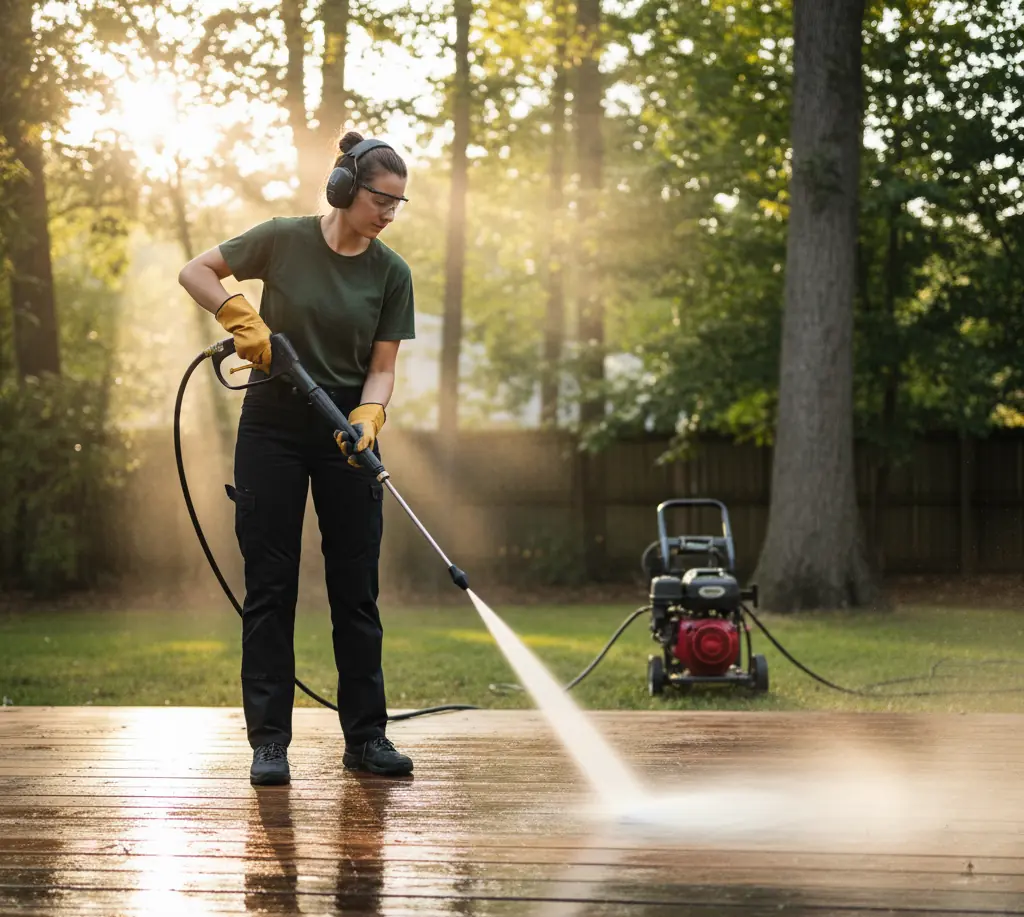
Before diving into pressure washing, proper surface preparation is essential for achieving the best results. This step involves removing any loose debris, dirt, or grime from the area you plan to clean. A simple sweep or a quick rinse can help eliminate larger particles that could interfere with the cleaning process.
Additionally, inspecting the surface for any damage or vulnerabilities is crucial; this way, you can avoid causing further harm during cleaning. Surface preparation and cleaning agents go hand in hand. While water alone can do wonders, sometimes you need a little extra help from cleaning agents.
Depending on the type of surface and the nature of the stains, you may want to use detergents or specialized cleaners designed for pressure washing. For instance, a degreaser can be effective for oil stains on driveways, while a mold and mildew remover is ideal for siding or decks. Always follow the manufacturer’s instructions when using cleaning agents to ensure safety and effectiveness.
By taking the time to prepare surfaces properly and select appropriate cleaning agents, you’ll maximize your pressure washing results.
Safety Gear and Precautions
| Safety Gear and Precautions | Usage | Importance |
|---|---|---|
| Safety Goggles | Protect eyes from debris and chemicals | Prevent eye injuries |
| Hard Hat | Protect head from falling objects | Prevent head injuries |
| Ear Plugs | Reduce noise exposure | Prevent hearing damage |
| Gloves | Protect hands from cuts and chemicals | Prevent hand injuries |
| Safety Harness | Prevent falls from heights | Prevent serious injuries or fatalities |
Safety should always be your top priority when operating a pressure washer. The high-pressure water stream can cause serious injuries if not handled correctly. Therefore, wearing appropriate safety gear is non-negotiable.
Start with safety goggles to protect your eyes from debris and water spray. Additionally, consider wearing gloves to shield your hands from harsh chemicals and potential injuries from the equipment. Safety gear and precautions extend beyond personal protection; they also include ensuring your workspace is safe.
Before starting your pressure washing project, clear the area of obstacles and ensure that bystanders are at a safe distance. It’s also wise to check for any electrical hazards if you’re using an electric pressure washer. Always read the user manual thoroughly before operating your machine to familiarize yourself with its features and safety protocols.
By prioritizing safety gear and precautions, you can enjoy a worry-free pressure washing experience.
Techniques for Effective Pressure Washing
Mastering effective pressure washing techniques can make all the difference in achieving a clean and polished finish. One of the most important techniques is maintaining a consistent distance from the surface being cleaned.
Too close, and you risk damaging the material; too far away, and you may not achieve the desired results.
A distance of 12 to 24 inches is generally recommended for most surfaces. Techniques for effective pressure washing also involve using a sweeping motion rather than a stationary spray. This technique helps distribute the water evenly across the surface, preventing streaks or uneven cleaning.
Additionally, working from top to bottom is essential when cleaning vertical surfaces like walls or fences; this method allows dirt and debris to fall away rather than being pushed upward. Finally, don’t forget to rinse thoroughly after applying any cleaning agents to ensure no residue remains on the surface. By employing these techniques, you’ll elevate your pressure washing game and achieve stunning results.
Maintenance and Storage of Pressure Washing Equipment

Proper maintenance of your pressure washing equipment is vital for ensuring its longevity and performance. After each use, take a few moments to clean the machine thoroughly. This includes flushing out any remaining detergent or debris from the system to prevent clogs or damage.
Additionally, inspect hoses and connections for any signs of wear or leaks; replacing damaged parts promptly can save you from costly repairs down the line. Maintenance and storage of pressure washing equipment also involve storing your machine in a safe environment when not in use. Ideally, keep it in a dry place away from extreme temperatures that could affect its components.
If you’re using a gas-powered model, remember to drain fuel if it will be stored for an extended period; this practice helps prevent engine issues later on. By committing to regular maintenance and proper storage practices, you’ll ensure that your pressure washer remains in top condition for years to come.
Environmental Considerations
As we become more aware of our environmental impact, it’s essential to consider eco-friendly practices when pressure washing. Traditional cleaning methods often involve harsh chemicals that can harm local ecosystems if they enter storm drains or waterways. Fortunately, there are many environmentally friendly cleaning agents available that are biodegradable and safe for use around plants and animals.
Environmental considerations also extend to water usage during pressure washing projects. While pressure washers are efficient tools that use less water than traditional hoses, it’s still important to be mindful of water conservation practices.
Consider using a trigger gun with your machine; this feature allows you to control water flow more effectively while working on your project.
Additionally, try to schedule your cleaning tasks during cooler parts of the day to minimize evaporation loss. By adopting environmentally conscious practices in your pressure washing routine, you contribute positively to preserving our planet.
Professional Services and DIY Options
While many homeowners enjoy tackling DIY projects like pressure washing, there are times when hiring professional services may be more beneficial. Professional pressure washing companies have access to advanced equipment and expertise that can handle even the toughest jobs efficiently. They also understand how to navigate various surfaces safely without causing damage.
Professional services and DIY options each have their advantages; it ultimately depends on your specific needs and comfort level with operating equipment. If you’re considering DIY pressure washing, start with smaller projects to build your confidence before taking on larger tasks. However, if you’re facing extensive cleaning jobs or have concerns about safety or effectiveness, don’t hesitate to reach out to professionals who can provide quality service tailored to your needs.
In conclusion, whether you’re choosing the right pressure washer or mastering effective techniques, understanding each aspect of pressure washing will empower you to achieve outstanding results while maintaining safety and environmental responsibility. If you’re ready to dive into your next project or need assistance from industry leaders in pressure washing services, don’t hesitate to reach out! Your clean home awaits!
FAQs
What are the different types of pressure washing tools available?
There are several types of pressure washing tools available, including electric pressure washers, gas pressure washers, and handheld pressure washers. Each type has its own advantages and is suitable for different cleaning tasks.
What are the key features to consider when choosing a pressure washing tool?
When choosing a pressure washing tool, it’s important to consider the pressure output, water flow rate, power source, portability, and additional features such as adjustable nozzles, detergent tanks, and hose length.
What are the benefits of using a pressure washing tool?
Pressure washing tools are effective for removing dirt, grime, mold, and mildew from various surfaces such as driveways, decks, siding, and vehicles. They can save time and effort compared to manual cleaning methods and can also conserve water.
How do pressure washing tools work?
Pressure washing tools work by using a motor or engine to pressurize water and then expel it through a nozzle at high pressure. This high-pressure water stream is effective at removing dirt and grime from surfaces.
What safety precautions should be taken when using a pressure washing tool?
When using a pressure washing tool, it’s important to wear protective gear such as goggles and gloves, and to avoid pointing the nozzle at people, animals, or fragile objects. It’s also important to follow the manufacturer’s instructions and to be mindful of electrical hazards when using electric pressure washers.