

Steam cleaning, a process employing heated water to generate steam, has emerged as a highly effective and environmentally conscious method for sanitizing and cleaning various surfaces within a domestic setting. This technique, distinct from traditional cleaning approaches that often rely on chemical detergents, harnesses the power of elevated temperatures to loosen dirt, grime, and destroy microorganisms, offering a comprehensive solution for maintaining a hygienic and visually appealing living space.
The efficacy of steam cleaning lies in its fundamental principles of heat transfer and physical dislodgment. When water is heated beyond its boiling point, it converts into a gaseous state – steam. This steam, when directed at a soiled surface, penetrates porous materials and interfaces with dirt and grime particles. The high temperature of the steam denatures proteins and lipids often found in organic matter, effectively breaking down the bonds that hold these contaminants to surfaces. Furthermore, the expansion of water molecules as they convert to steam exerts a physical force that helps to lift and dislodge embedded dirt.
Pressure plays a crucial role in enhancing the cleaning action. Modern steam cleaners often incorporate mechanisms to deliver steam at regulated pressures, further aiding in the removal of stubborn stains and debris. The combination of heat, moisture, and pressure creates a powerful cleaning agent, capable of sanitizing surfaces without the need for harsh chemicals.
Understanding the Role of Heat and Moisture
Heat is the primary agent in steam cleaning. Temperatures typically range from 175°F (79°C) to 300°F (149°C) at the nozzle, depending on the steam cleaner model and intended application. This intense heat is instrumental in killing bacteria, viruses, dust mites, and other allergens by disrupting their cellular structures. The moisture component, while crucial for generating steam, is applied in a controlled manner, resulting in minimal residual dampness, which is essential for preventing mold and mildew growth.
The Physics of Dirt Dislodgement
The process of dirt removal through steam is a multifaceted phenomenon. As hot steam touches a cool surface, it condenses into tiny water droplets. These droplets, charged with thermal energy, penetrate micro-crevices and dissolve water-soluble dirt. For oil-based grime, the heat emulsifies the oils, making them easier to wipe away. The rapid expansion and contraction of steam molecules also contribute to the mechanical lifting of dirt particles from the surface, much like a tiny, gentle explosion dislodging debris. This physical action, combined with the chemical-free nature of the process, makes steam cleaning an attractive alternative for individuals seeking a more environmentally friendly cleaning regimen.
For those interested in maintaining a pristine environment, exploring effective cleaning methods is essential. A related article that delves into professional cleaning services can be found at Attop Property Retail Cleaning Services. This resource provides insights into various cleaning techniques, including steam cleaning, which can significantly enhance the cleanliness and hygiene of retail spaces.
Versatility in Application: Beyond the Floor
The utility of steam cleaning extends far beyond merely cleaning floors. Its adaptability makes it suitable for a diverse range of surfaces and items within a home, transforming it into a veritable Swiss Army knife for domestic sanitation. From delicate fabrics to robust tiling, steam cleaning offers a tailored approach to various cleaning challenges.
Cleaning Hard Surfaces: A Sanitary Shine
Hard surfaces like tiles and grout, countertops, and sealed hard floors are prime candidates for steam cleaning. The high temperatures can effectively remove grime, food spills, and soap scum, leaving them sanitized and gleaming without the streaky residue often left by chemical cleaners. For bathroom tiles, steam is particularly effective in eradicating mildew and mold spores, which thrive in moist environments. The absence of chemical residues also makes these surfaces safer for food preparation areas and for children and pets.

Revitalizing Upholstery and Fabrics
One of the most remarkable applications of steam cleaning is its capacity to refresh and sanitize upholstered furniture, mattresses, and curtains. Heat effectively penetrates fabric fibers, killing dust mites, allergens, and odors without saturating the material. This is particularly beneficial for allergy sufferers, as steam can significantly reduce the presence of common irritants. When cleaning upholstery, a gentle approach is crucial to avoid damage. The steam cleaner’s nozzle should be held at a slight distance, allowing the steam to dislodge dirt and disinfect without overly wetting the fabric.
Tackling Kitchen and Bathroom Troubles
In the kitchen, steam cleaners are invaluable for degreasing stovetops and ovens, sanitizing sinks, and cleaning stained range hoods. In the bathroom, they excel at dissolving soap scum from shower walls and doors, disinfecting toilets (externally), and reaching into tight crevices around fixtures where dirt often accumulates. The high temperature ensures a thorough sterilization, reducing the spread of germs in these high-traffic areas.
Environmental and Health Benefits
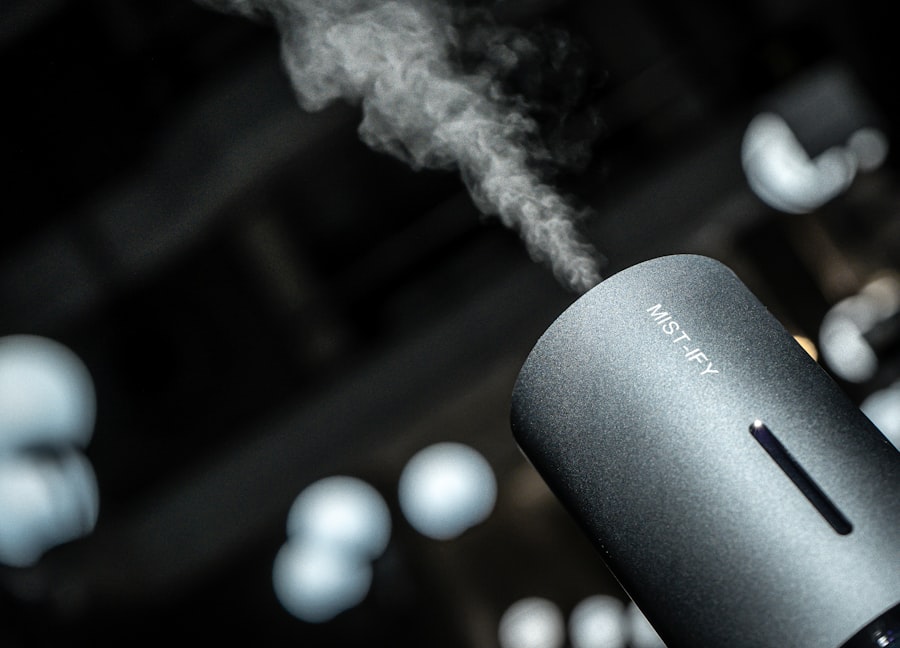
Beyond its cleaning prowess, steam cleaning offers significant advantages for both the environment and human health. Its departure from conventional chemical-laden cleaning products marks a paradigm shift towards a more sustainable and allergy-friendly domestic environment.
A Chemical-Free Approach
The most compelling environmental benefit of steam cleaning is its complete independence from chemical detergents. Traditional cleaning products often contain volatile organic compounds (VOCs), phosphates, and other synthetic substances that can contribute to indoor air pollution, water contamination, and pose risks to aquatic ecosystems when flushed down drains. By utilizing only heated water, steam cleaning eliminates these concerns, offering a truly green alternative for home sanitation. This reduction in chemical usage also translates to less packaging waste, further minimizing the environmental footprint of household cleaning.
Reducing Allergens and Irritants
For individuals susceptible to allergies and asthma, steam cleaning can be a transformative tool. Dust mites, microscopic arachnids that thrive in warm, humid environments, are a major trigger for allergic reactions. The intense heat of steam effectively kills dust mites and their eggs, significantly reducing their populations in carpets, upholstery, and mattresses. Similarly, steam can denature pet dander and pollen, other common allergens, making the home a safer and more comfortable space for allergy sufferers. The absence of chemical fumes, which can irritate respiratory passages, is an additional benefit for those with sensitive airways.
Promoting a Healthier Indoor Air Quality
Chemical cleaning products often release airborne particles and fumes that can compromise indoor air quality. These pollutants can linger in the air for hours, leading to headaches, dizziness, and respiratory distress in sensitive individuals. Steam cleaning, by contrast, introduces nothing but pure water vapor into the air. This not only avoids the introduction of harmful chemicals but also helps to humidify dry indoor environments, potentially offering a subtle improvement in air quality, especially during drier seasons. The result is a home that feels not just clean, but genuinely fresh and free from the invisible burden of chemical residues.
Choosing the Right Steam Cleaner

The market offers a diverse array of steam cleaners, each with unique features and intended applications. Navigating this landscape requires an understanding of the different types available and careful consideration of individual cleaning needs. Choosing the right appliance is paramount to achieving optimal results and ensuring durability.
Types of Steam Cleaners
- Handheld Steam Cleaners: These compact and portable units are ideal for targeted cleaning tasks such as sanitizing small areas, detailing bathrooms, or refreshing small upholstered items. They offer excellent maneuverability but typically have smaller water reservoirs and shorter run times. Their design emphasizes reaching tight spaces and intricate surfaces.
- Steam Mops: Specifically designed for cleaning hard floor surfaces, steam mops are lightweight and easy to maneuver. They are highly effective at sanitizing sealed tile, laminate, and hardwood floors, leaving them streak-free. Many models come with different pads for various floor types and can be particularly efficient for quickly cleaning large floor areas.
- Cylinder Steam Cleaners (Canister Steam Cleaners): These are perhaps the most versatile and powerful category. Featuring a separate water tank and a hose with various attachments, cylinder steam cleaners are capable of tackling a wide range of cleaning tasks, from floors and carpets to upholstery, windows, and even car interiors. They often boast larger water reservoirs, resulting in longer continuous steam production, and higher steam pressures for more rigorous cleaning. Their numerous attachments make them adaptable to almost any surface or cleaning challenge.
Key Features to Consider
When investing in a steam cleaner, several features warrant attention:
- Water Tank Capacity: A larger tank translates to longer continuous cleaning time without the need for frequent refills. This is particularly important for larger homes or extensive cleaning projects.
- Steam Pressure (PSI): Higher Pounds per Square Inch (PSI) indicates greater steam force, which is more effective for penetrating stubborn dirt and grime. For heavy-duty cleaning, a higher PSI is generally desirable.
- Heat-Up Time: The time it takes for the unit to heat water and produce steam. Faster heat-up times enhance convenience and efficiency.
- Attachments and Accessories: A comprehensive set of nozzles, brushes, and squeegees expands the functionality of the steam cleaner, allowing it to address diverse cleaning needs. Look for specific brushes for grout, soft pads for upholstery, and squeegees for windows.
- Safety Features: Automatic shut-off, child locks, and overpressure protection are crucial for safe operation, especially in households with children or pets.
- Portability and Ergonomics: For handheld and steam mop models, weight and handle design can significantly impact user comfort and ease of use.
If you’re looking to enhance your home cleaning routine, you might find it beneficial to explore the advantages of steam cleaning, which can effectively eliminate dirt and allergens from various surfaces. For those interested in maintaining a pristine kitchen, you can check out this informative article on efficient kitchen cleaning services in Melton, where you’ll discover tips and services that complement steam cleaning techniques for a truly deep clean.
Best Practices and Maintenance Tips
<?xml encoding=”UTF-8″>
| Brand | Model | Steam Pressure (PSI) | Water Tank Capacity (Liters) | Heating Time (Minutes) | Run Time (Minutes) | Weight (kg) | Special Features |
|---|---|---|---|---|---|---|---|
| Karcher | SC 3 EasyFix | 3.5 | 1.0 | 3.5 | 20 | 2.9 | Descaling function, Continuous refill |
| Bissell | PowerFresh Lift-Off | 4.0 | 0.5 | 30 | 45 | 3.6 | Lift-off handheld steamer, Variable steam control |
| Dupray | Neat Steam Cleaner | 4.2 | 1.3 | 7 | 50 | 3.6 | Adjustable steam, Large water tank |
| McCulloch | MC1275 | 4.0 | 1.3 | 8.5 | 45 | 3.6 | 18 accessories, Continuous refill |
| Shark | Steam Pocket Mop S1000 | 3.0 | 0.37 | 30 | 20 | 2.0 | Lightweight, Quick heat-up |
To maximize the effectiveness and longevity of a steam cleaner, adherence to best practices and regular maintenance is essential. Proper usage ensures both superior cleaning results and extends the life of the appliance.
Pre-Cleaning Preparations
Before initiating steam cleaning, thorough vacuuming or sweeping surfaces is crucial. This removes loose dirt, dust, and debris, allowing the steam to focus solely on embedded grime and sanitization. Skipping this step can lead to a mud-like residue as the steam mixes with surface debris, making the cleaning process less effective and potentially creating more work. For upholstery, a lint roller or light vacuuming can remove pet hair and crumbs.
Descaling the Water Tank
Over time, mineral deposits from tap water can accumulate within the steam cleaner’s water tank and heating elements. This limestone buildup can impede performance, reduce steam output, and potentially damage the internal components of the appliance. Regular descaling, typically every few months depending on water hardness and usage frequency, is vital. Most manufacturers recommend using distilled water or a proprietary descaling solution. Vinegar (diluted with water) can also be used as a natural descaling agent, followed by thorough flushing.
Choosing the Right Attachments
The effectiveness of steam cleaning is greatly enhanced by selecting the appropriate nozzle or brush attachment for the specific task at hand.
- Jet nozzles are excellent for targeting stubborn stains and grout lines, delivering concentrated steam.
- Brush attachments with varying bristle stiffness (nylon for general cleaning, brass for very tough grime) are ideal for scrubbing surfaces while applying steam.
- Floor tools with microfiber pads are designed for broad surface cleaning of hard floors.
- Squeegee attachments are perfect for streak-free window and mirror cleaning.
- Upholstery tools often incorporate a fabric cover to safely clean and refresh textiles.
Using the wrong attachment can either be ineffective or, in some cases, damage delicate surfaces. Always refer to the manufacturer’s guidelines for attachment usage.
Post-Cleaning Care
After steam cleaning, wiping surfaces with a clean, dry microfiber cloth is often beneficial. This removes any loosened dirt or condensed moisture, leaving surfaces truly spotless and dry. For fabric surfaces, allowing adequate air drying time is crucial to prevent moisture-related issues. Regularly cleaning and replacing microfiber pads and brushes will also maintain hygiene and prolong their effectiveness. Storing the steam cleaner in a clean, dry place, with the water tank emptied, further contributes to its longevity.
Steam cleaning represents a powerful fusion of science and practicality, offering a chemical-free, highly effective, and environmentally conscious solution for maintaining a pristine and healthy home. Its versatility across a spectrum of surfaces, coupled with significant health and environmental benefits, positions it as an indispensable tool in modern household cleaning arsenals. By understanding its principles, choosing the right equipment, and adhering to best practices, individuals can unlock the full potential of steam cleaning, transforming their living spaces into models of cleanliness and hygiene.
FAQs
What is steam cleaning?
Steam cleaning is a method of cleaning that uses high-temperature steam to sanitize and remove dirt, grease, and grime from various surfaces without the use of harsh chemicals.
What are the benefits of steam cleaning?
Steam cleaning is effective at killing bacteria, germs, and dust mites, making it a hygienic cleaning option. It is also environmentally friendly, reduces the need for chemical cleaners, and can clean hard-to-reach areas.
What surfaces can be cleaned with steam cleaners?
Steam cleaners can be used on a variety of surfaces including tile, grout, hardwood floors, carpets, upholstery, kitchen appliances, and bathroom fixtures. However, delicate surfaces like unsealed wood or certain fabrics may require caution.
Is steam cleaning safe for pets and children?
Yes, steam cleaning is generally safe for homes with pets and children because it uses only water vapor without harmful chemicals. However, it is important to keep children and pets away from the hot steam during cleaning to avoid burns.
How often should I use a steam cleaner?
The frequency of steam cleaning depends on the area and usage. High-traffic areas may benefit from weekly steam cleaning, while less-used spaces can be cleaned monthly or as needed to maintain cleanliness and hygiene.