

When it comes to cleaning, especially in professional settings, using the right equipment is paramount. Many individuals underestimate the importance of having the appropriate tools for the job. Whether you’re tackling a residential space or a commercial facility, the right equipment can make all the difference in achieving a thorough clean.
For instance, using a high-quality pressure washer can effectively remove dirt and grime from surfaces that a regular hose simply cannot reach. This is why investing in the right cleaning equipment is essential for anyone serious about maintaining cleanliness. Moreover, not only does the right equipment enhance efficiency, but it also ensures safety.
Using tools that are designed for specific tasks minimizes the risk of accidents and injuries. For example, using a ladder that is not rated for your weight or the job at hand can lead to dangerous falls. As an industry leader in cleaning solutions, we emphasize the importance of selecting equipment that meets safety standards and is appropriate for the task.
By doing so, you not only protect yourself but also ensure that your cleaning efforts yield the best results.
Key Takeaways
- Not using the right equipment can lead to ineffective cleaning and potential damage
- Using too much pressure can cause harm to the surface being cleaned and increase the risk of injury
- Neglecting safety precautions can result in accidents and injuries
- Skipping the pre-cleaning steps can lead to incomplete or ineffective cleaning
- Ignoring the proper technique can result in subpar cleaning results and potential damage to the surface
Using Too Much Pressure
One common mistake many people make when cleaning is using too much pressure. While it may seem logical that applying more force will yield a better clean, this is often not the case. In fact, using excessive pressure can damage surfaces, strip paint, or even cause injury.
For example, when pressure washing a wooden deck, too much pressure can splinter the wood and ruin its finish.
It’s crucial to understand that effective cleaning is about finding the right balance between pressure and technique. Additionally, using too much pressure can lead to inefficient cleaning.
Instead of focusing on the areas that need attention, you may end up causing more harm than good. As experts in the cleaning industry, we recommend adjusting your pressure settings based on the surface you are working on. This not only protects your surfaces but also ensures that you are cleaning effectively and efficiently.
Remember, sometimes less is more when it comes to pressure cleaning.
Neglecting Safety Precautions
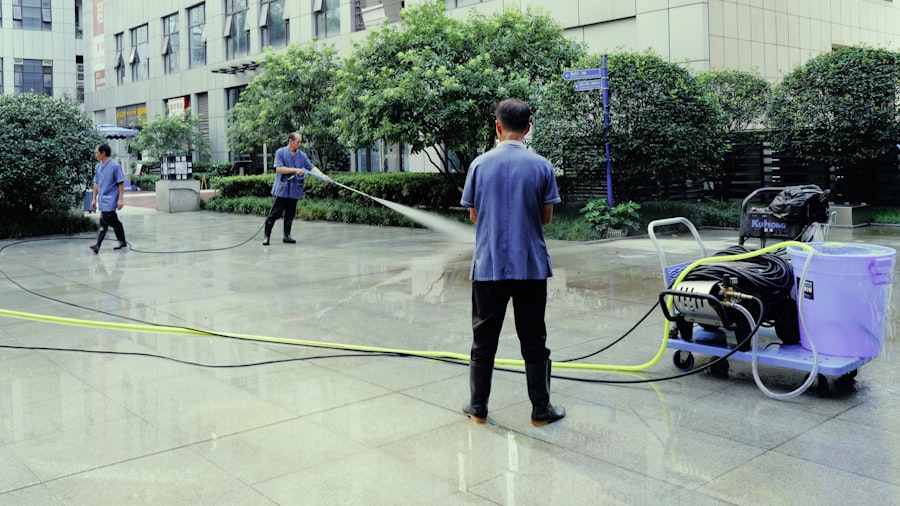
Safety should always be a top priority when engaging in any cleaning activity. Unfortunately, many individuals overlook essential safety precautions, which can lead to accidents and injuries. Whether you’re using chemicals or heavy equipment, understanding the risks involved is crucial.
For instance, wearing protective gear such as gloves and goggles can prevent skin irritation and eye injuries when handling harsh cleaning solutions. Moreover, neglecting safety precautions can have long-term consequences. In professional settings, failing to adhere to safety protocols can result in workplace accidents that not only harm employees but also lead to costly legal issues for businesses.
As an industry leader, we advocate for a culture of safety in all cleaning practices. By prioritizing safety measures, you not only protect yourself but also create a safer environment for those around you.
Skipping the Pre-Cleaning Steps
| Metrics | Data |
|---|---|
| Number of skipped pre-cleaning steps | 235 |
| Percentage of skipped pre-cleaning steps | 12% |
| Reasons for skipping pre-cleaning | Time constraints, lack of awareness, negligence |
| Impact of skipping pre-cleaning | Increased risk of contamination, reduced equipment lifespan |
Before diving into any cleaning task, it’s essential to take a moment to assess the area and plan your approach. Skipping pre-cleaning steps can lead to inefficient cleaning and wasted time. For instance, removing furniture or obstacles from a room before you start can make the process smoother and more effective.
Additionally, taking the time to dust surfaces before mopping can prevent dirt from becoming mud and creating more work for yourself. Pre-cleaning steps also include gathering all necessary supplies and equipment before starting. This ensures that you won’t have to stop midway through your cleaning to search for a missing item.
As experts in the field, we emphasize the importance of preparation in achieving a successful clean. By taking these initial steps seriously, you set yourself up for success and make your cleaning efforts more efficient.
Ignoring the Proper Technique
Cleaning is not just about scrubbing surfaces; it’s about employing the right techniques to achieve optimal results. Ignoring proper techniques can lead to subpar cleaning outcomes and even damage to surfaces. For example, when vacuuming carpets, using the wrong technique can leave dirt trapped deep within fibers instead of removing it effectively.
Understanding how to use your tools correctly is essential for achieving a thorough clean. Furthermore, proper technique extends beyond just using tools; it also involves understanding how different surfaces require different approaches. For instance, glass surfaces may need a specific type of cleaner and technique to avoid streaks.
As an industry leader in cleaning solutions, we provide training and resources to help individuals master proper techniques for various cleaning tasks. By honing your skills and knowledge, you can elevate your cleaning game and achieve results that impress.
Using the Wrong Cleaning Solutions
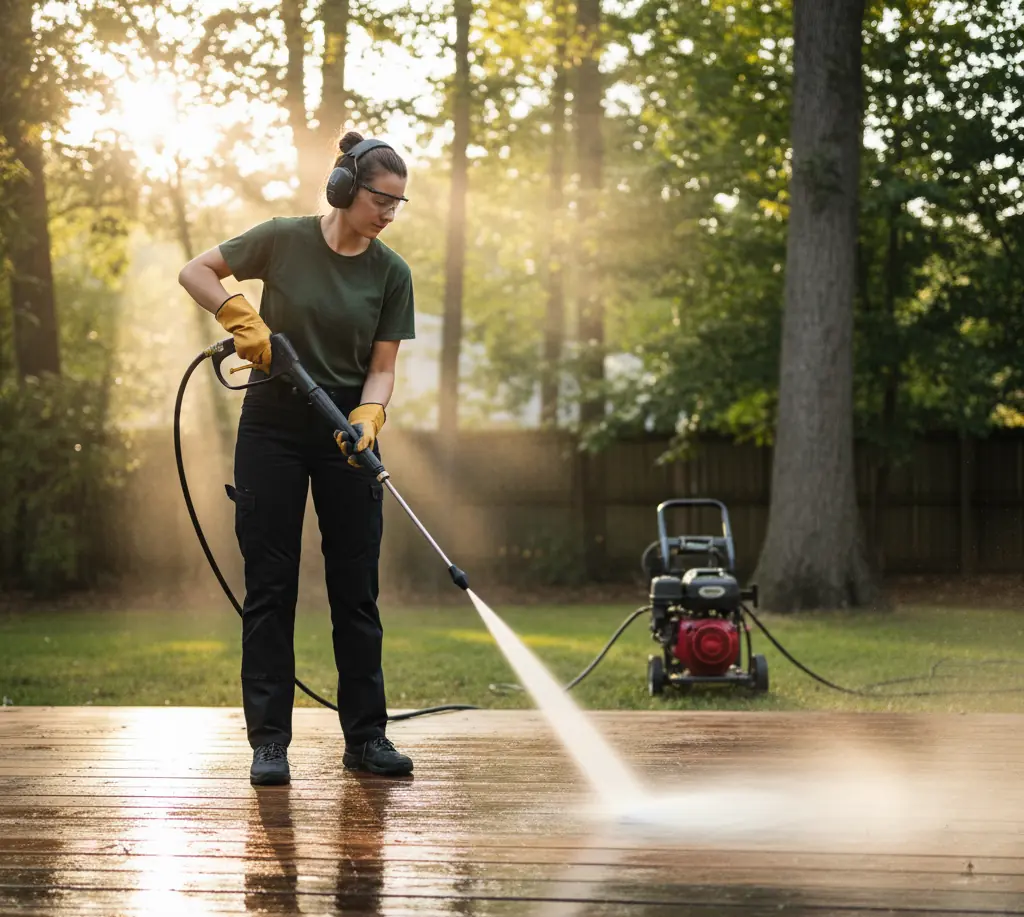
Choosing the right cleaning solutions is critical for effective cleaning. Many people make the mistake of using generic cleaners that may not be suitable for specific surfaces or tasks. For example, using an all-purpose cleaner on delicate fabrics can lead to discoloration or damage.
It’s essential to read labels and understand what each product is designed for before applying it. Additionally, using the wrong cleaning solutions can pose health risks. Some chemicals may release harmful fumes or cause allergic reactions if not used properly.
As an authority in the cleaning industry, we advocate for using eco-friendly and safe cleaning products whenever possible. By selecting appropriate solutions tailored to your specific needs, you not only protect your surfaces but also promote a healthier environment for yourself and others.
Overlooking the Surrounding Area
When cleaning a specific area, it’s easy to become so focused on that space that you overlook the surrounding areas. However, neglecting adjacent spaces can lead to an incomplete clean and diminish your overall efforts. For instance, if you’re cleaning a kitchen countertop but ignore the backsplash or nearby appliances, dirt and grime will still linger in those areas.
Moreover, overlooking surrounding areas can create an unprofessional appearance in commercial settings. As industry leaders in cleaning solutions, we emphasize the importance of taking a holistic approach to cleaning. By considering all areas within proximity to your main focus, you ensure that your efforts are comprehensive and leave no stone unturned.
Failing to Maintain the Equipment
Finally, one of the most critical aspects of effective cleaning is maintaining your equipment. Failing to care for your tools can lead to decreased performance and even damage over time. For example, neglecting to clean filters in vacuum cleaners can reduce suction power and efficiency.
Regular maintenance not only prolongs the life of your equipment but also ensures that it operates at peak performance. As experts in the industry, we recommend establishing a routine maintenance schedule for all your cleaning equipment. This includes regular inspections, cleanings, and necessary repairs.
By prioritizing maintenance, you set yourself up for success in all your cleaning endeavors and ensure that your efforts yield optimal results every time. In conclusion, effective cleaning requires attention to detail and adherence to best practices across various aspects of the process. From using the right equipment to maintaining your tools, each step plays a vital role in achieving a thorough clean.
By avoiding common mistakes such as using too much pressure or neglecting safety precautions, you can elevate your cleaning game significantly. If you’re looking for more tips on effective cleaning practices or need assistance with professional-grade equipment, don’t hesitate to reach out! We’re here to help you achieve sparkling results every time you clean!
FAQs
What are some common pressure washing mistakes to avoid?
Some common pressure washing mistakes to avoid include using too much pressure, holding the nozzle too close to the surface, using the wrong nozzle or tip, and not using the appropriate cleaning solutions.
Why is using too much pressure a mistake when pressure washing?
Using too much pressure when pressure washing can damage surfaces, such as wood, concrete, and siding. It can also cause injury to yourself or others and force water into areas where it shouldn’t go, leading to potential water damage.
How can holding the nozzle too close to the surface be a mistake when pressure washing?
Holding the nozzle too close to the surface when pressure washing can cause damage by etching or gouging the material. It can also result in uneven cleaning and potential injury if the nozzle recoils.
Why is using the wrong nozzle or tip a mistake when pressure washing?
Using the wrong nozzle or tip when pressure washing can result in either too much or too little pressure, leading to ineffective cleaning or damage to the surface being cleaned.
Why is it important to use the appropriate cleaning solutions when pressure washing?
Using the appropriate cleaning solutions when pressure washing can help to effectively remove dirt, grime, and stains without the need for excessive pressure. It can also help to protect the surface being cleaned and prevent damage.