

Allergies are a common health issue that affects millions of people worldwide. They occur when the immune system reacts to substances that are typically harmless, known as allergens. These allergens can be found in various forms, including pollen, dust mites, pet dander, mold, and certain foods. Understanding what triggers these allergic reactions is crucial for anyone looking to improve their quality of life, especially in environments like rental properties where allergens can accumulate.
The symptoms of allergies can range from mild to severe. Common symptoms include sneezing, itching, nasal congestion, and even more serious reactions like anaphylaxis. For those who suffer from allergies, identifying triggers is the first step toward managing symptoms effectively. This is particularly important in rental properties, where previous tenants may have left behind allergens that can exacerbate existing conditions.
By understanding allergies and their triggers, you can take proactive steps to create a healthier living environment.
Key Takeaways
- Allergies can be triggered by a variety of factors, including dust, pollen, pet dander, and mold.
- End of lease cleaning is crucial in preventing allergies for new tenants moving into a rental property.
- Common allergens found in rental properties include dust mites, mold, pet dander, and pollen.
- Thorough end of lease cleaning involves cleaning carpets, curtains, upholstery, and all surfaces to remove allergens.
- Hiring professional cleaners can ensure allergy-safe results for the next tenants moving in.
Importance of End of Lease Cleaning in Allergy Prevention
The Risks of Allergens in Rental Properties
Dust, mold, and pet dander can cause significant health issues if left unchecked. These allergens can exacerbate respiratory problems, trigger allergic reactions, and even lead to long-term health consequences. By neglecting to clean these areas, landlords and tenants put themselves and others at risk of developing allergies.
The Benefits of End of Lease Cleaning
By investing time and effort into end of lease cleaning, you can significantly reduce the risk of allergic reactions. This process involves deep cleaning all surfaces, including hard-to-reach areas that often accumulate dust and allergens. It’s not just about aesthetics; it’s about creating a safe environment for everyone who enters the property.
A Healthier Community Through End of Lease Cleaning
For landlords, ensuring that their rental units are allergen-free can lead to happier tenants and fewer complaints, ultimately enhancing their reputation in the rental market. By prioritizing end of lease cleaning, landlords can create a healthier community and contribute to a better quality of life for their tenants.
Common Allergens Found in Rental Properties
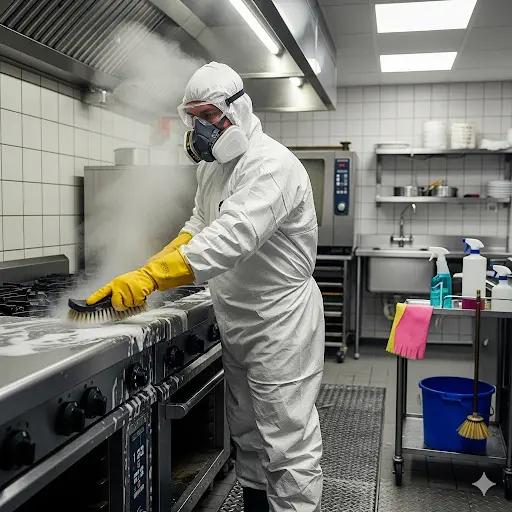
Rental properties can harbor a variety of common allergens. One of the most prevalent is dust mites, microscopic creatures that thrive in warm, humid environments. They often reside in bedding, carpets, and upholstered furniture. Another significant allergen is mold, which can grow in damp areas like bathrooms and kitchens.
Mold spores can easily become airborne and trigger allergic reactions in sensitive individuals. Pet dander is another common allergen found in many rental properties. Even if the previous tenants did not have pets, traces of dander can remain in carpets and on surfaces. Pollen can also infiltrate homes through open windows or on clothing, especially during certain seasons.
Understanding these common allergens is essential for anyone looking to maintain a healthy living space. By addressing these issues during end of lease cleaning, you can create a more welcoming environment for future tenants.
Steps to Take for a Thorough End of Lease Cleaning
| Steps | Description |
|---|---|
| 1 | Remove all personal belongings from the property |
| 2 | Clean all surfaces including walls, floors, and countertops |
| 3 | Thoroughly clean the kitchen including appliances and cabinets |
| 4 | Clean the bathrooms including toilets, showers, and sinks |
| 5 | Remove any stains or marks on carpets and upholstery |
| 6 | Check and clean all light fixtures and switches |
| 7 | Ensure all windows and mirrors are cleaned |
| 8 | Dispose of any rubbish and ensure the property is left in a tidy condition |
A thorough end of lease cleaning involves several key steps. Start by decluttering the space; remove any personal items and dispose of unwanted belongings. Next, focus on dusting all surfaces, including shelves, baseboards, and light fixtures. Use a damp cloth to trap dust rather than spreading it around.
Pay special attention to high-traffic areas where allergens tend to accumulate. After dusting, vacuum carpets and upholstery using a vacuum equipped with a HEPA filter. This type of filter captures small particles that regular vacuums might miss. Don’t forget to clean hard floors as well; mopping with an allergen-reducing solution can help eliminate lingering irritants.
Finally, tackle bathrooms and kitchens with disinfectants to remove mold and mildew. Following these steps will ensure that the property is not only clean but also safe for future occupants.
Hiring Professional Cleaners for Allergy-Safe Results
Hiring professional cleaners can be an excellent investment for allergy prevention. These experts are trained to identify and eliminate allergens effectively, using specialized equipment and cleaning solutions designed to reduce irritants. They understand the importance of thoroughness and can reach areas that may be overlooked during a DIY cleaning session. Moreover, professional cleaners often use eco-friendly products that are less likely to trigger allergies. This is particularly beneficial for individuals with sensitivities or respiratory issues.
By opting for professional cleaning services, you not only ensure a deep clean but also contribute to a healthier living environment for everyone involved. It’s a win-win situation for both landlords and tenants.
Tips for DIY End of Lease Cleaning to Prevent Allergies

If you prefer a DIY approach to end of lease cleaning, there are several tips you can follow to minimize allergens. First, always wear a mask and gloves while cleaning to protect yourself from dust and chemical exposure. Use microfiber cloths instead of traditional rags; they trap dust more effectively and reduce the likelihood of particles becoming airborne. Focus on high-risk areas such as carpets, curtains, and upholstery. Regular vacuuming is essential, but consider steam cleaning these items as well to eliminate deep-seated allergens.
Additionally, wash any removable fabric items like curtains or cushion covers in hot water to kill dust mites and remove dander. By following these tips, you can create a cleaner environment that minimizes allergy triggers.
Maintaining a Clean and Allergy-Free Home After Moving Out
Once you’ve moved out, maintaining a clean and allergy-free home is crucial. Regular cleaning routines should include vacuuming with a HEPA filter at least once a week and dusting surfaces frequently. Consider using air purifiers equipped with HEPA filters to capture airborne allergens effectively. Additionally, keep humidity levels low to prevent mold growth. Using dehumidifiers in damp areas like basements or bathrooms can help control moisture levels.
Regularly check for signs of mold or mildew and address any issues immediately. By implementing these practices, you can ensure that your new home remains a safe haven free from allergens.
Benefits of End of Lease Cleaning for Landlords and Tenants in Allergy Prevention
End of lease cleaning offers numerous benefits for both landlords and tenants. For landlords, providing a clean property free from allergens can lead to higher tenant satisfaction and retention rates. Happy tenants are more likely to renew their leases or recommend the property to others, enhancing the landlord’s reputation. For tenants, moving into an allergen-free environment means fewer health concerns. This is especially important for families with children or individuals with pre-existing health conditions.
By prioritizing end of lease cleaning as part of the moving process, both parties contribute to a healthier living space that benefits everyone involved. In conclusion, understanding allergies and their triggers is essential for creating a safe living environment. By prioritizing end of lease cleaning—whether through DIY efforts or hiring professionals—you can significantly reduce allergens in rental properties.
This not only benefits future tenants but also enhances the overall quality of life within the community. If you’re preparing for an upcoming move or looking to maintain your current home allergy-free, consider implementing these strategies today!
FAQs
What is end of lease cleaning?
End of lease cleaning is a thorough cleaning of a rental property before the tenant moves out. It is usually a requirement in the lease agreement and is important for getting the security deposit back.
How does end of lease cleaning help with allergy prevention?
End of lease cleaning helps with allergy prevention by removing dust, dirt, pet dander, and other allergens from the property. This can create a healthier living environment for the next tenant, especially those who suffer from allergies.
What are some common allergens found in rental properties?
Common allergens found in rental properties include dust mites, pet dander, mold, pollen, and cockroach droppings. These allergens can trigger allergic reactions and respiratory issues in sensitive individuals.
What are some key areas that need to be cleaned for allergy prevention during end of lease cleaning?
Key areas that need to be cleaned for allergy prevention during end of lease cleaning include carpets, upholstery, curtains, air vents, kitchen appliances, bathrooms, and any areas where dust and dirt tend to accumulate.
What cleaning products are recommended for allergy prevention during end of lease cleaning?
For allergy prevention during end of lease cleaning, it is recommended to use eco-friendly and hypoallergenic cleaning products. These products are less likely to trigger allergic reactions and are safer for the environment.
Is it necessary to hire professional cleaners for end of lease cleaning for allergy prevention?
While it is not necessary to hire professional cleaners for end of lease cleaning, it is often recommended, especially for thorough allergy prevention. Professional cleaners have the expertise and equipment to effectively remove allergens from the property.