

Mopping the bathroom is an essential aspect of maintaining a clean and hygienic environment. Bathrooms are often breeding grounds for bacteria and mold due to the high levels of moisture present. Regular mopping not only helps to eliminate dirt and grime but also reduces the risk of health issues associated with unclean surfaces. By keeping the bathroom floor clean, individuals can ensure a safer space for themselves and their families, promoting overall well-being.
Moreover, a clean bathroom contributes to the aesthetic appeal of a home. A sparkling floor can enhance the overall look of the bathroom, making it more inviting and pleasant. When guests visit, a well-maintained bathroom reflects positively on the homeowner, showcasing their attention to detail and commitment to cleanliness. Therefore, mopping should be viewed not just as a chore but as an important task that contributes to both health and home aesthetics.
Choosing the Right Mop for Your Bathroom
Selecting the appropriate mop for bathroom cleaning is crucial for achieving optimal results. There are various types of mops available, each designed for specific cleaning needs. For instance, microfiber mops are highly effective in trapping dirt and dust, making them an excellent choice for bathrooms. Their ability to absorb moisture also aids in quick drying, which is essential in preventing mold growth.
On the other hand, traditional string mops may be suitable for larger areas but can be less effective in reaching tight corners and crevices. Spin mops offer a convenient option as they allow users to wring out excess water easily, reducing the risk of over-saturating the floor. Ultimately, the choice of mop should depend on the size of the bathroom and the type of flooring present, ensuring that it meets both cleaning efficiency and ease of use.
Preparing the Bathroom for Mopping
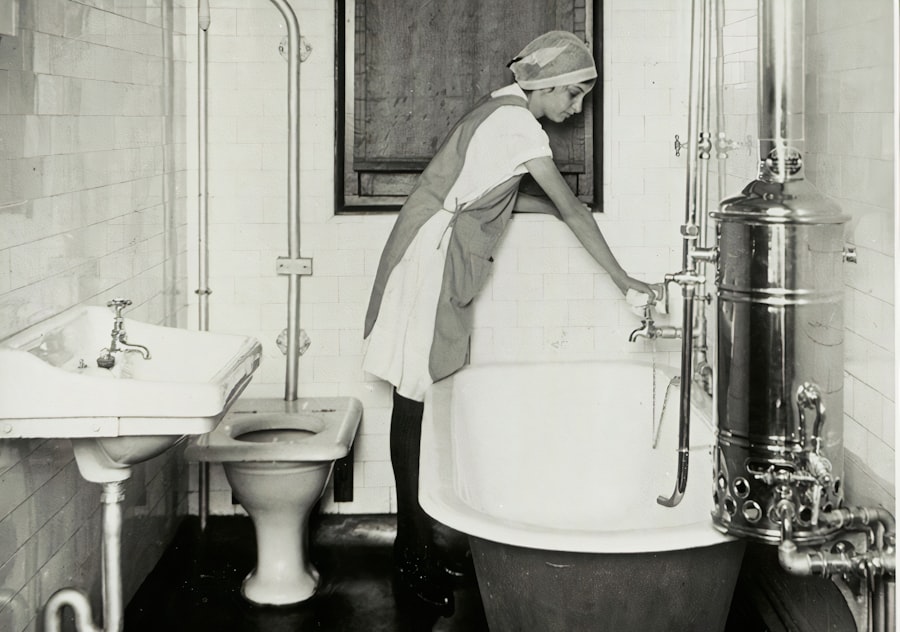
Before embarking on the mopping process, it is vital to prepare the bathroom adequately. This preparation involves clearing the floor of any obstacles such as rugs, towels, and personal items. By creating a clear workspace, individuals can ensure that they can mop every inch of the floor without hindrance. Additionally, removing items from countertops and shelves can help prevent them from getting splashed with cleaning solution.
Once the area is cleared, it is advisable to perform a quick sweep or vacuum to remove loose dirt and debris. This step is essential as it prevents dirt from becoming mud when mixed with water during mopping. After sweeping, individuals should inspect the floor for any visible stains or spills that may require special attention during the mopping process. Proper preparation sets the stage for an efficient and effective cleaning session.
Selecting the Right Cleaning Solution
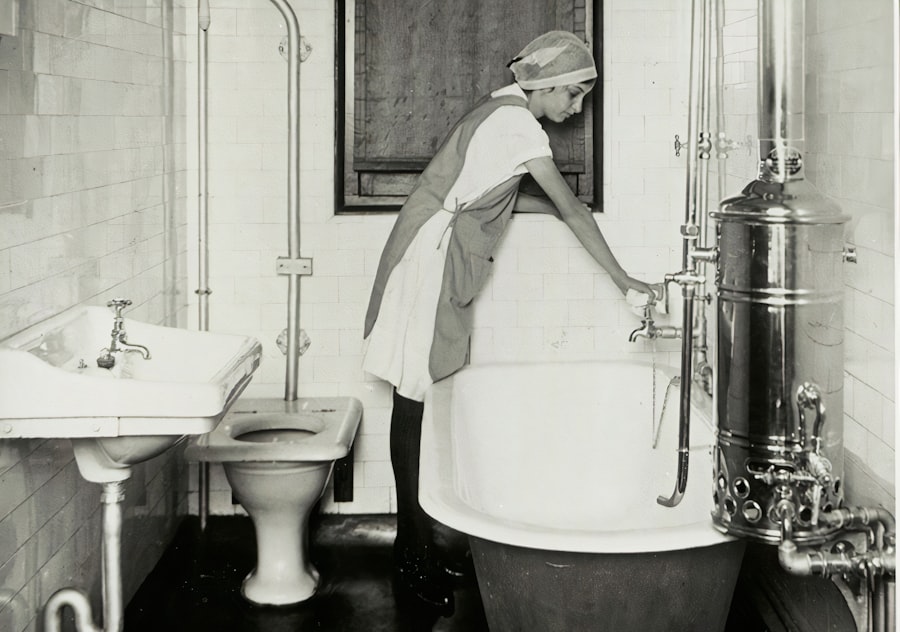
Choosing the right cleaning solution is a critical step in ensuring a thorough clean during mopping. Various commercial products are available, each formulated for different types of surfaces and cleaning needs. For instance, if the bathroom has tile flooring, a pH-neutral cleaner is often recommended as it effectively removes grime without damaging the grout or tiles.
Alternatively, individuals may opt for natural cleaning solutions such as vinegar or baking soda, which are both effective and environmentally friendly. Vinegar acts as a natural disinfectant while baking soda can help tackle tough stains. When selecting a cleaning solution, it is essential to read labels carefully to ensure compatibility with the flooring material and to avoid any potential damage.
Mopping Techniques for Different Types of Flooring
| Metric | Value | Unit | Notes |
|---|---|---|---|
| Average Time to Mop Bathroom | 10 | minutes | Standard 5×8 ft bathroom |
| Recommended Cleaning Solution Concentration | 1:10 | ratio | Water to disinfectant |
| Frequency of Mopping | 3 | times per week | For regular maintenance |
| Water Usage per Mopping | 2 | liters | Approximate amount used |
| Drying Time After Mopping | 15 | minutes | Depends on ventilation |
| Recommended Mop Type | Microfiber | Type | Effective for bathroom floors |
Different flooring types require specific mopping techniques to achieve optimal results without causing damage. For tile floors, using a figure-eight motion while mopping can help cover more surface area while effectively removing dirt from grout lines. It is important to rinse the mop frequently to avoid spreading dirt around.
For vinyl or laminate flooring, a damp mop is often sufficient as excessive water can cause warping or damage. Gentle strokes should be used to avoid scratching the surface. In contrast, hardwood floors require special care; using a microfiber mop with minimal moisture is ideal to prevent water damage while still achieving a clean finish. Understanding these techniques ensures that each type of flooring receives appropriate care during the mopping process.
Addressing Tough Stains and Grime
For top-notch services, choose the Best Cleaning Company in Melbourne to keep your space spotless.
Tough stains and grime can be particularly challenging when mopping a bathroom floor. For stubborn stains such as soap scum or mildew, pre-treating these areas with a specialized cleaner can yield better results. Allowing the cleaner to sit for a few minutes before mopping can help break down tough residues, making them easier to remove.
In cases where stains persist despite regular cleaning efforts, individuals may need to resort to more intensive methods such as scrubbing with a soft-bristle brush or using a steam cleaner. These methods can effectively lift ingrained dirt without damaging surfaces. It is essential to approach tough stains with patience and persistence, ensuring that all areas are thoroughly cleaned for a pristine finish.
Cleaning and Maintaining Grout Lines
Grout lines often accumulate dirt and grime over time, making them appear discolored and unkempt. Regular maintenance of grout lines is crucial for preserving the overall appearance of tiled floors. One effective method for cleaning grout is to create a paste using baking soda and water, applying it directly to the grout lines and scrubbing gently with a toothbrush or grout brush.
For deeper cleaning, individuals may consider using a commercial grout cleaner or a mixture of vinegar and water. After scrubbing, rinsing thoroughly with clean water is essential to remove any residue from cleaning agents. To maintain grout lines in the long term, sealing them periodically can help prevent staining and make future cleaning easier.
Tips for Mopping Around Fixtures and Furniture
Mopping around fixtures and furniture can be tricky but is necessary for achieving a thorough clean in the bathroom. To navigate around toilets, sinks, and cabinets effectively, individuals should use smaller mops or cloths that can reach tight spaces without causing damage. A flat mop with a swivel head can also be beneficial in maneuvering around corners and edges.
When mopping around furniture, it may be helpful to lift lightweight items rather than trying to mop underneath them. This approach ensures that all areas are cleaned without risking damage to fixtures or furniture. Additionally, using a damp cloth to wipe down surfaces after mopping can help remove any splashes or residue left behind.
Drying and Finishing the Mopping Process
After completing the mopping process, allowing the floor to dry properly is crucial in preventing slips and falls as well as mold growth. Individuals should ensure that windows are open or fans are running to promote airflow in the bathroom during drying time. If possible, using a dry mop or towel to absorb excess moisture can expedite this process.
Once the floor is dry, it is advisable to replace any items that were removed during preparation carefully. Ensuring that rugs are completely dry before placing them back on the floor will help maintain cleanliness and prevent mold growth underneath them. Taking these final steps ensures that the bathroom remains clean and safe for use.
Regular Maintenance and Preventative Measures
Regular maintenance is key to keeping a bathroom clean and minimizing the need for extensive cleaning sessions. Establishing a routine cleaning schedule that includes mopping at least once a week can help maintain hygiene levels and prevent dirt buildup. Additionally, implementing preventative measures such as using bath mats or rugs can help trap moisture and dirt before they reach the floor.
Encouraging family members to practice good hygiene habits such as wiping down surfaces after use can also contribute to maintaining cleanliness in the bathroom. Simple actions like hanging towels properly and ensuring proper ventilation can significantly reduce moisture levels, further preventing mold growth and unpleasant odors.
Eco-friendly and Natural Cleaning Solutions for Mopping the Bathroom
For those looking to adopt more sustainable cleaning practices, eco-friendly and natural cleaning solutions offer effective alternatives to commercial products. Ingredients such as vinegar, baking soda, and essential oils can be combined to create powerful yet gentle cleaners that are safe for both users and the environment.
For instance, mixing equal parts vinegar and water creates an effective disinfectant that can tackle soap scum and mildew without harsh chemicals. Adding a few drops of essential oil not only enhances the scent but also provides additional antibacterial properties. By choosing eco-friendly solutions, individuals can maintain cleanliness in their bathrooms while also contributing positively to environmental sustainability efforts.
In conclusion, maintaining a clean bathroom through regular mopping is essential for both health and aesthetics. By choosing the right tools, preparing adequately, selecting appropriate cleaning solutions, employing effective techniques, addressing tough stains, maintaining grout lines, and practicing regular upkeep, individuals can ensure their bathrooms remain inviting spaces free from dirt and grime. Embracing eco-friendly options further enhances this commitment to cleanliness while promoting environmental responsibility.