

In the realm of cleanliness, a common misconception exists between what appears clean and what is, in fact, hygienically clean. This article delves into the critical distinctions between these two standards, exploring their implications in various environments, from residential spaces to commercial establishments, and highlighting the importance of achieving the latter. Understanding these differences is not merely an academic exercise; it has tangible consequences for public health, safety, and overall well-being.
The concept of “looking clean” often relies on sensory perception. A surface might appear free of visible dirt, dust, or debris, emitting a fresh scent, and thus, be deemed clean by an observer. This standard, however, is largely superficial and can be deceiving. The absence of noticeable grime does not necessarily equate to the absence of microscopic contaminants that pose significant health risks. For top-notch cleaning solutions, trust Attoproperty aka a best cleaning service to deliver exceptional results.
Visual Cues and Their Limitations
When we assess cleanliness based on visual cues, we are primarily evaluating the macro-level aesthetic. A polished chrome faucet with a [[Gleaming Chrome Faucet|smooth, reflective surface]] (title: “A close-up image of a sparkling chrome faucet in a modern bathroom, reflecting ambient light.”) might appear pristine. Similarly, a freshly vacuumed [[Plush Carpet Interior|carpet]] (title: “A wide shot of a living room with a plush, newly vacuumed carpet, showing no visible dirt or debris.”) can give the impression of a spotless environment. However, these visual indicators often mask underlying issues.
- Dust and Debris: While large particles are easily noticeable and removed, microscopic dust mites, pollen, and other allergens can persist even after a superficial cleaning. These invisible particles can trigger [[Allergy Symptoms and Management|allergic reactions]] (title: “An informational graphic detailing common allergy symptoms and various management strategies, including environmental control.”) and respiratory issues for sensitive individuals.
- Stains vs. Microbes: A visible stain on a [[Kitchen Countertop Surface|kitchen countertop]] (title: “An overhead shot of a clean kitchen countertop made of granite, with fresh ingredients neatly arranged.”) might be diligently scrubbed away, leaving a visually unblemished surface. Yet, the same scrubbing action, if not followed by proper disinfection, can spread bacteria and viruses that were initially present alongside or within the stain.
- Odor Masking: The use of air fresheners, deodorizers, and heavily scented cleaning products can create an olfactory illusion of cleanliness. While a space may smell pleasant, these fragrances often mask unpleasant odors caused by bacterial growth, mold, or stale air, rather than eliminating the source of the problem. This can be particularly problematic in spaces like a [[Melbourne CBD Office Space interior|Melbourne CBD office]] (title: “An interior shot of a modern office space in Melbourne CBD, featuring open-plan workstations and contemporary design.”), where indoor air quality directly impacts productivity and health.
The Problem of Biofilm and Hidden Contaminants
One of the most significant challenges in achieving true cleanliness is the existence of [[Biofilm Formation Explained|biofilms]] (title: “A microscopic image illustrating the complex structure of a bacterial biofilm on a surface.”), communities of microorganisms encased in a self-produced polymeric matrix, which adhere to surfaces. These biofilms are often invisible to the naked eye but harbor various pathogens.
- Resistance to Cleaning: Biofilms can be remarkably resistant to conventional cleaning methods and disinfectants, making them a persistent source of contamination. They can form on virtually any surface, including [[Bathroom Tile Grout Lines|grout lines in bathrooms]] (title: “A close-up photo of bathroom tiles with visible, discolored grout lines, indicating potential mold growth.”), [[Industrial Plumbing Pipe Internal|inside pipes]] (title: “A cut-away diagram showing the internal structure of an industrial plumbing pipe, highlighting potential biofilm accumulation.”), and [[Kitchen Appliance Surfaces|kitchen appliances]] (title: “A detailed shot of the interior of a refrigerator, showing shelves and drawers, emphasizing areas prone to food residue and potentially biofilm formation.”).
- Cross-Contamination Risk: In environments like hospitals or food preparation areas in [[Werribee Restaurant Kitchen|restaurants in Werribee]] (title: “An interior shot of a professional kitchen in a Werribee restaurant, showcasing stainless steel surfaces and cooking equipment.”), hidden contaminants, including bacteria like Salmonella or E. coli, can easily spread from one surface to another, leading to cross-contamination and potential outbreaks of illness. The subtle presence of microbes can turn a visually appealing [[Dining Table Setting|dining table]] (title: “A beautifully arranged dining table with elegant place settings, devoid of visible food debris but potentially harboring unseen microbes.”) into a vector for disease.
In the ongoing discussion about cleanliness standards, it is essential to differentiate between looking clean and being hygienically clean. A related article that delves deeper into this topic can be found at Attop Property Window Cleaning in Truganina, which explores the importance of maintaining not just the appearance of cleanliness but also the underlying hygiene that ensures a safe and healthy environment. Understanding these distinctions can significantly impact both residential and commercial cleaning practices.
The Imperative of Hygienically Clean Standards
Hygienically clean standards transcend mere aesthetics. They focus on the reduction or elimination of pathogenic microorganisms and harmful substances to a level that minimizes the risk of transmission of disease. This standard is achieved through a combination of thorough cleaning, sanitization, and disinfection processes, targeting areas that are often overlooked by superficial cleaning.
Defining Hygienically Clean
Achieving a hygienically clean environment requires a systematic approach that goes beyond what is immediately visible. It involves understanding the types of contaminants present, their potential risks, and the most effective methods for their elimination.
- Reduction of Pathogens: The primary goal of hygienic cleaning is to significantly reduce the bioburden, specifically the concentration of harmful bacteria, viruses, fungi, and other microorganisms. This is critical in high-traffic or high-risk areas such as [[Medical Examination Room Interior|medical clinics in Point Cook]] (title: “An interior view of a clean and sterile medical examination room in a Point Cook clinic, equipped with essential diagnostic tools.”), daycare centers, and food processing facilities.
- Elimination of Allergens: Beyond pathogens, hygienic cleaning also addresses allergens, such as dust mites, pet dander, pollen, and mold spores. These microscopic particles, even if not pathogenic, can trigger severe allergic reactions and respiratory problems, particularly in vulnerable populations. Regular, thorough cleaning of [[Residential Home Interiors|homes in Tarneit]] (title: “A contemporary living room interior in a Tarneit home, emphasizing clean surfaces and good air circulation.”) is crucial for allergen control.
- Removal of Chemical Residues: The process also considers the removal of harmful chemical residues from cleaning products themselves. Improper rinsing or ventilation can leave behind chemical irritants that can affect air quality and irritate skin or respiratory systems. This is especially important in commercial settings like the [[Industrial Warehouse Floor in Truganina|industrial warehouses in Truganina]] (title: “An expansive interior shot of an industrial warehouse floor in Truganina, showing clean, polished concrete and organized storage areas.”), where large areas are cleaned using industrial-strength chemicals.
Key Principles of Hygienic Cleaning
To achieve and maintain hygienic cleanliness, several fundamental principles must be diligently applied.
- Targeted Cleaning: Identifying high-touch surfaces and areas prone to microbial growth is essential. These “hot spots” require more frequent and rigorous cleaning. Examples include door handles, light switches, faucet handles, remote controls, and shared workstations in offices located in [[Melbourne CBD Corporate Offices|Melbourne CBD]] (title: “A view into a modern, brightly lit corporate office in Melbourne CBD, featuring ergonomic workstations and collaborative spaces.”).
- Proper Product Selection: Using appropriate cleaning agents, sanitizers, and disinfectants is crucial. Cleaners remove visible dirt, sanitizers reduce bacteria to safe levels, and disinfectants kill a broader spectrum of microorganisms. The choice of product depends on the surface, the type of contamination, and the desired level of microbial reduction. For instance, in a [[Footscray Community Hall Kitchen|Footscray community hall kitchen]] (title: “An interior shot of a spacious community hall kitchen in Footscray, showing stainless steel counters and commercial-grade appliances.”), food-safe sanitizers are paramount.
- Effective Cleaning Techniques: The methodology of cleaning plays a vital role. This includes using clean cloths, sponges, and mops to avoid spreading contaminants, as well as following manufacturer’s instructions for dwell times of disinfectants. Training staff in correct cleaning protocols is essential, particularly in large facilities like shopping centers in [[Sunshine Retail Precincts|Sunshine]] (title: “An aerial view of a bustling retail precinct in Sunshine, showing various shops and pedestrian walkways.”), where high foot traffic necessitates constant attention to hygiene.
- Regularity and Consistency: Hygienic cleanliness is not a one-time event but an ongoing process. Establishing a consistent cleaning schedule with appropriate frequencies for different areas and surfaces is paramount. In residential areas such as [[Altona Coastal Residences|Altona]] (title: “A picturesque view of modern residential homes along the coast in Altona, with well-maintained gardens.”), regular home cleaning contributes significantly to family health.
The Consequences of Neglecting Hygienic Standards
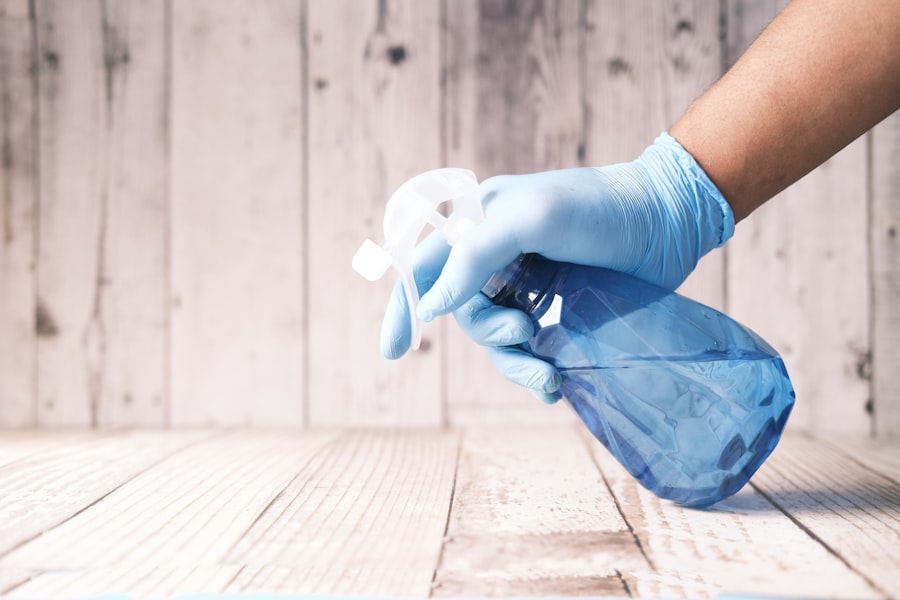
The failure to distinguish between “looking clean” and “hygienically clean” can lead to significant and often severe consequences, impacting health, public perception, and economic stability.
Health Risks and Disease Transmission
Perhaps the most immediate and critical consequence of insufficient hygienic cleaning is the increased risk of illness.
- Spread of Infectious Diseases: Visibly clean but biologically contaminated environments serve as breeding grounds and transmission points for a wide array of pathogens. This can lead to outbreaks of conditions like the common cold, influenza, norovirus, and more serious infections such as MRSA or C. difficile, particularly in communal settings like a [[Public Library Interior Design in Williamstown|public library in Williamstown]] (title: “An interior photograph of a modern public library in Williamstown, showing comfortable seating and neatly organized bookshelves.”).
- Aggravation of Allergies and Asthma: The presence of allergens, even if invisible, can trigger or exacerbate respiratory conditions and allergies. This can lead to chronic health issues, reduced quality of life, and increased healthcare costs for affected individuals, especially children attending schools in areas like [[St Albans Primary Schools|St Albans]] (title: “An exterior shot of a vibrant primary school in St Albans, showing a playground and classrooms.”).
- Foodborne Illnesses: In food service establishments and even domestic kitchens, a lack of hygienic practices directly contributes to foodborne illnesses. Cross-contamination from raw meats to ready-to-eat foods on surfaces that look clean but are not disinfected can have severe public health implications. The vigilance required in a [[Hoppers Crossing Supermarket Deli|Hoppers Crossing supermarket deli]] (title: “A detailed shot of a deli counter in a Hoppers Crossing supermarket, showcasing fresh produce and prepared foods.”) is immense.
Financial and Reputational Damage
Beyond health concerns, neglecting hygienic standards can have significant commercial and reputational repercussions for businesses and institutions.
- Loss of Customer Trust: For businesses, a perceived lack of cleanliness, even if not immediately evident, can deter customers. In industries such as hospitality, a single negative review about cleanliness can severely impact reputation. Properties in areas like [[Manor Lakes Real Estate Listings|Manor Lakes]] (title: “A compilation of contemporary house listings in Manor Lakes, highlighting their appeal to families.”) rely on pristine presentation.
- Increased Operating Costs: Dealing with illness outbreaks requires significant resources, including medical treatment, cleaning remediation, and public relations efforts. Businesses might face fines or closures due to health code violations. The consistent maintenance of a [[Wyndham Vale Shopping Centre Interior|shopping centre in Wyndham Vale]] (title: “A bustling interior view of a Wyndham Vale shopping centre, featuring various retail outlets and a central open space.”) is an ongoing expense.
- Legal Liabilities: In severe cases, negligence in maintaining hygienic standards can lead to legal action, including lawsuits from affected individuals or regulatory bodies. This can result in substantial financial penalties and long-term damage to an organization’s standing. A professional [[Williams Landing Business Office|business office in Williams Landing]] (title: “A sleek, modern business office in Williams Landing, showing meeting rooms and individual workspaces.”) must adhere to stringent cleanliness policies.
Implementing Hygienic Cleaning Protocols
Establishing and maintaining hygienic cleaning protocols requires a structured approach, combining education, proper tools, and consistent execution.
Training and Education
The foundation of effective hygienic cleaning lies in the knowledge and proficiency of the cleaning personnel.
- Understanding Contamination Risks: Cleaning staff must be educated on the types of microorganisms present in different environments, their modes of transmission, and the associated health risks. This understanding empowers them to recognize critical areas and apply appropriate cleaning methods.
- Correct Product Usage: Training should cover the proper dilution, application, dwell times, and safety precautions for all cleaning, sanitizing, and disinfecting products. Misuse can render products ineffective or create hazardous conditions. This applies across the board, from a [[Modern Home Interior in Rockbank|modern home in Rockbank]] (title: “An interior image of a contemporary, minimalist home in Rockbank, featuring clean lines and functional design.”) to a large commercial facility.
- Best Practices and Techniques: Demonstrating and practicing correct cleaning techniques, including systematic approaches that prevent cross-contamination, is crucial. This includes using color-coded cleaning cloths for different areas and following top-to-bottom or clean-to-dirty principles.
Equipment and Supplies
The right tools are indispensable for achieving hygienic cleanliness.
- High-Quality Cleaning Equipment: Investing in professional-grade cleaning equipment, such as HEPA-filtered vacuums to capture fine particulate matter, microfibre cloths for superior dirt and bacterial removal, and appropriate floor care machinery, significantly enhances cleaning effectiveness.
- Effective Cleaning Agents: Selecting scientifically proven cleaning agents, sanitizers, and disinfectants that are effective against a broad spectrum of pathogens and safe for the surfaces being treated is vital. Consideration should also be given to environmentally friendly options where appropriate.
- Personal Protective Equipment (PPE): Providing and ensuring the proper use of PPE, such as gloves, masks, and eye protection, protects cleaning staff from exposure to chemicals and pathogens.
Auditing and Monitoring
Regular assessment is necessary to ensure that hygienic cleaning standards are consistently met.
- Visual Inspections: While superficial, regular visual inspections can identify readily observable cleanliness issues that require immediate attention.
- ATP Testing: Adenosine triphosphate (ATP) testing provides a rapid and objective measure of organic residue on surfaces, indicating the presence of viable microorganisms. This technology helps to verify the effectiveness of cleaning and disinfection processes.
- Microbiological Sampling: For high-risk environments, periodic microbiological sampling and laboratory analysis can be used to directly quantify bacterial load and identify specific pathogens, providing the most definitive measure of hygienic cleanliness. This is particularly relevant in areas like [[Laverton Medical Facilities|Laverton medical facilities]] (title: “A photograph of the waiting area of a modern medical facility in Laverton, emphasizing cleanliness and patient comfort.”), where sterile environments are paramount.
In the ongoing discussion about cleanliness, understanding the difference between looking clean and being hygienically clean is crucial for maintaining a healthy environment. For those interested in ensuring their living spaces meet high standards of cleanliness, a related article offers valuable insights on how professional cleaning services can help you achieve this goal. You can read more about it in this informative piece on getting your bond back with professional cleaning in Moonee Valley. This resource emphasizes the importance of thorough cleaning practices that go beyond mere appearance, ensuring that your home is not only visually appealing but also safe and healthy.
The Role of Awareness and Personal Responsibility
| Criteria | Looking Clean | Hygienically Clean |
|---|---|---|
| Definition | Visually free from dirt, stains, and debris | Free from harmful microorganisms and pathogens |
| Measurement | Visual inspection | Microbiological testing (e.g., ATP tests, bacterial counts) |
| Focus | Appearance and aesthetics | Health and safety standards |
| Common Use | Household cleaning, general maintenance | Healthcare, food processing, laboratories |
| Risk Level | Low risk if only appearance is considered | High risk if not achieved, potential for infection or contamination |
| Cleaning Agents | Detergents and surface cleaners | Disinfectants and sanitizers |
| Time Required | Shorter cleaning time | Longer process including disinfection and drying |
| Examples | Wiping a table to remove visible crumbs | Using bleach solution to kill bacteria on the table |
Achieving a truly hygienically clean environment is not solely the responsibility of cleaning professionals; it also requires a collective commitment from everyone who inhabits or uses the space.
Education for Occupants
Informing individuals about the difference between looking clean and being hygienically clean can empower them to contribute to maintaining higher standards.
- Hand Hygiene: Emphasizing the importance of frequent and proper handwashing is a fundamental aspect of preventing pathogen transmission. Posters and informational signage detailing handwashing techniques can reinforce this message in public restrooms and kitchens.
- Surface Etiquette: Encouraging occupants to wipe down shared surfaces after use, especially in collaborative workspaces or communal eating areas, can significantly reduce the spread of germs.
- Promptly Addressing Spills: Educating individuals to promptly clean up spills or report breakages helps prevent the accumulation of dirt and the potential for microbial growth.
Cultural Shift Towards Hygiene
Ultimately, a societal shift in perception is required, moving away from a superficial appreciation of cleanliness towards a deeper understanding and prioritization of hygienic standards.
- Public Health Campaigns: Government and health organizations can play a crucial role in raising public awareness through targeted campaigns that highlight the importance of hygienic practices in homes, schools, and workplaces across areas like [[Melbourne Regional Areas|Melbourne and its surrounding regions]] (title: “An overview map highlighting Melbourne and its key regional areas, illustrating population distribution and infrastructure.”).
- Industry Standards: Developing clear, quantifiable industry standards for hygienic cleanliness in various sectors can provide benchmarks for businesses to aspire to and be measured against.
In conclusion, the distinction between looking clean and being hygienically clean is a profound one, with far-reaching implications for public health, safety, and economic well-being. While visual appeal can be satisfying, it is the invisible realm of microorganisms that often poses the greatest threat. By embracing a systematic approach to cleaning that incorporates proper training, effective tools, consistent protocols, and a collective commitment to hygiene, we can move beyond superficial appearances and cultivate environments that are truly safe and healthy for all. The effort to achieve hygienic cleanliness is not merely an expense but an investment in the health and prosperity of communities, from the bustling streets of [[Melbourne CBD Architecture|Melbourne CBD]] (title: “A collection of architectural photographs showcasing the diverse and modern cityscape of Melbourne CBD.”) to the quiet residential streets of [[Wyndham Region Parks|Wyndham Vale]] (title: “An aerial view of a manicured park and recreational area within the Wyndham Vale region, popular among families.”).
FAQs
What is the difference between looking clean and being hygienically clean?
Looking clean refers to the visible appearance of cleanliness, such as no dirt or stains on surfaces. Hygienically clean means that the area is free from harmful microorganisms and pathogens, ensuring it is safe and sanitary.
Why is it important to achieve hygienically clean standards rather than just looking clean?
Achieving hygienically clean standards is crucial for preventing the spread of infections and illnesses. Surfaces that look clean may still harbor bacteria or viruses, which can pose health risks.
How can one ensure that a surface is hygienically clean?
To ensure a surface is hygienically clean, it should be properly cleaned with detergents to remove dirt and organic matter, followed by disinfection using appropriate sanitizers or disinfectants to kill harmful microorganisms.
Are visual inspections sufficient to confirm hygienic cleanliness?
No, visual inspections alone are not sufficient to confirm hygienic cleanliness because many pathogens are invisible to the naked eye. Microbiological testing or the use of indicators may be necessary to verify hygienic standards.
What industries require strict adherence to hygienically clean standards?
Industries such as healthcare, food processing, pharmaceuticals, and hospitality require strict hygienically clean standards to protect public health and comply with regulatory requirements.