

When we think about cleanliness, we often find ourselves caught in a web of perceptions that can blur the lines between merely looking clean and being hygienically clean. Looking clean typically refers to the visual aspects of cleanliness; it’s about how we present ourselves to the world. This can include wearing freshly laundered clothes, having neatly styled hair, and maintaining a tidy appearance. However, this superficial aspect can sometimes mask deeper issues related to hygiene. While we may appear polished on the outside, it does not necessarily mean that we are free from germs or bacteria that can affect our health.
On the other hand, being hygienically clean delves much deeper than surface appearances. It encompasses practices that ensure our bodies and environments are free from harmful pathogens. This includes regular handwashing, proper dental care, and maintaining a clean living space. While we might look immaculate, if we neglect these essential hygiene practices, we could be putting ourselves and others at risk for illness. Thus, understanding the distinction between these two forms of cleanliness is crucial for our overall well-being.
In the ongoing debate of Looking Clean VS Hygienically Clean, it is essential to recognize the impact of cleanliness on health, particularly in relation to allergies. A related article that delves into this topic is titled “Combat Allergies with Commercial Cleaning,” which discusses how professional cleaning services can significantly reduce allergens in indoor environments. For more insights on this important subject, you can read the article here: Combat Allergies with Commercial Cleaning. This resource emphasizes the importance of not just appearance, but also the health benefits of maintaining a hygienically clean space.
The Importance of Looking Clean
Looking clean plays a significant role in how we are perceived by others. In many social and professional settings, first impressions are often formed based on our appearance. When we present ourselves as clean and well-groomed, we tend to exude confidence and competence. This can open doors to opportunities in both personal and professional realms. For instance, in job interviews or networking events, a polished appearance can create a positive impression that may influence hiring decisions or business partnerships.
Moreover, looking clean can also impact our mental health. When we take the time to groom ourselves and dress neatly, we often feel more self-assured and ready to tackle the day. This boost in confidence can lead to improved interactions with others and a more positive outlook on life. Therefore, while looking clean may seem superficial at times, it carries significant weight in shaping our self-image and how we navigate the world around us.
The Importance of Hygienically Clean

While looking clean is important for social interactions, being hygienically clean is paramount for our health and well-being. Good hygiene practices help prevent the spread of infectious diseases and protect us from various health issues. For instance, regular handwashing with soap and water is one of the most effective ways to reduce the transmission of germs, especially during cold and flu season. By prioritizing hygienic cleanliness, we not only safeguard our health but also contribute to the well-being of those around us.
Furthermore, maintaining hygienic cleanliness can have long-term benefits for our physical health. Poor hygiene can lead to skin infections, dental problems, and other health complications that may require medical attention. By adopting good hygiene practices, we can minimize these risks and promote a healthier lifestyle overall. In essence, while looking clean may enhance our appearance, being hygienically clean is essential for ensuring our bodies function optimally.
The Dangers of Only Looking Clean
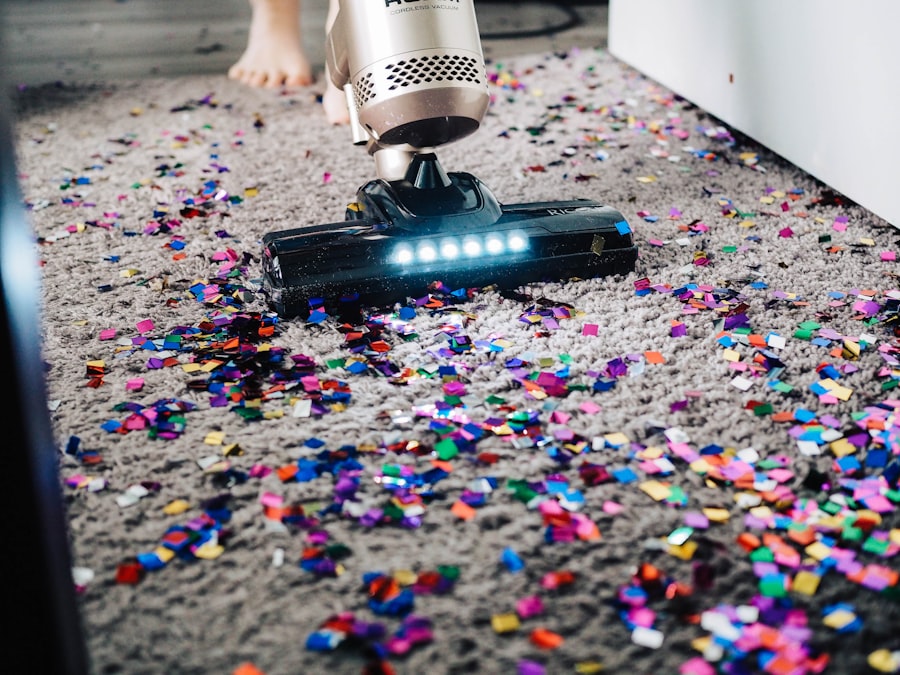
Focusing solely on looking clean can lead to a false sense of security regarding our health. When we prioritize appearance over hygiene, we may overlook critical practices that protect us from illness. For example, someone may appear well-groomed but neglect to wash their hands after using the restroom or before eating. This oversight can lead to the spread of harmful bacteria and viruses, putting not only their health at risk but also that of others.
Additionally, relying solely on appearances can create a culture of superficiality where individuals prioritize looks over substance. This mindset can lead to neglecting essential hygiene practices that are vital for overall health. It’s crucial for us to recognize that while looking clean is important for social acceptance, it should never come at the expense of our health or the health of those around us.
In the ongoing debate about cleanliness, it’s essential to distinguish between looking clean and being hygienically clean, as highlighted in various articles. For a deeper understanding of how cleanliness impacts our living environments, you might find the article on end-of-lease carpet cleaning particularly insightful. It explores the importance of thorough cleaning practices that go beyond mere appearance, ensuring that spaces are not only visually appealing but also free from harmful bacteria and allergens. You can read more about this topic in the article here.
The Benefits of Being Hygienically Clean
| Aspect | Looking Clean | Hygienically Clean |
|---|---|---|
| Definition | Visually free from dirt, stains, and debris | Free from harmful microorganisms and pathogens |
| Measurement | Visual inspection | Microbiological testing (e.g., swab tests, ATP tests) |
| Purpose | Enhance appearance and comfort | Prevent illness and contamination |
| Cleaning Methods | Wiping, dusting, rinsing | Disinfecting, sanitizing, sterilizing |
| Time Required | Shorter duration | Longer duration due to thorough processes |
| Examples | Removing visible dirt from surfaces | Using bleach or alcohol-based disinfectants to kill germs |
| Risk if Only Looking Clean | May still harbor bacteria and viruses | Low risk of infection or contamination |
The benefits of being hygienically clean extend far beyond just preventing illness; they also contribute to our overall quality of life. When we practice good hygiene, we often experience fewer sick days and improved productivity in our daily activities. This not only enhances our personal well-being but also positively impacts our relationships with family, friends, and colleagues. A healthy individual is more likely to engage in social activities and contribute positively to their community.
Moreover, being hygienically clean fosters a sense of responsibility towards ourselves and others. By prioritizing hygiene, we demonstrate care for our own health as well as that of those around us. This collective responsibility can create a healthier environment in schools, workplaces, and communities at large. Ultimately, embracing hygienic cleanliness is an investment in our health that pays dividends in numerous aspects of our lives.
How to Achieve a Look of Cleanliness
For a spotless home, trust aka best cleaning services provider to deliver exceptional results every time.
Achieving a look of cleanliness involves several key practices that focus on grooming and presentation. First and foremost, maintaining personal grooming habits is essential. Regular haircuts, skincare routines, and nail care can significantly enhance our appearance. Additionally, choosing clothing that is appropriate for the occasion and ensuring it is clean and pressed can make a substantial difference in how we are perceived.
Another important aspect is organization. A tidy living space reflects cleanliness and can positively influence our mental state. By decluttering our surroundings and keeping them organized, we create an environment that feels fresh and inviting. This not only helps us look clean but also contributes to a sense of calmness and order in our lives.
How to Achieve Hygienic Cleanliness
Achieving hygienic cleanliness requires a commitment to consistent practices that promote health and well-being. One of the most effective ways to maintain hygiene is through regular handwashing with soap and water for at least 20 seconds, especially before meals or after using the restroom. Additionally, using hand sanitizer when soap is unavailable can help reduce the spread of germs.
Oral hygiene is another critical component of being hygienically clean. Brushing teeth twice daily and flossing regularly can prevent dental issues such as cavities and gum disease. Furthermore, maintaining a clean living environment by regularly disinfecting surfaces and keeping personal items organized contributes significantly to overall hygiene.
The Role of Personal Hygiene in Looking Clean
Personal hygiene plays a pivotal role in how we present ourselves to the world. Simple practices such as showering regularly, using deodorant, and maintaining oral hygiene contribute significantly to our overall appearance. When we prioritize personal hygiene, we not only look cleaner but also feel more confident in social situations.
Moreover, personal hygiene extends beyond just physical appearance; it also encompasses how we carry ourselves in public spaces. Being mindful of our body language and demeanor can enhance the impression we leave on others. By combining good personal hygiene with positive social behaviors, we create an image that reflects both cleanliness and confidence.
The Role of Personal Hygiene in Being Hygienically Clean
While personal hygiene contributes to looking clean, it is equally vital for achieving hygienic cleanliness. Practices such as regular bathing help remove dirt and bacteria from our skin, reducing the risk of infections or skin irritations. Additionally, maintaining proper menstrual hygiene is crucial for women’s health and comfort.
Furthermore, personal hygiene habits like washing hands after using the restroom or before preparing food are essential for preventing the spread of germs. By integrating these practices into our daily routines, we not only enhance our own health but also contribute to a healthier community overall.
There are several misconceptions surrounding the concepts of looking clean versus being hygienically clean that can lead to confusion about what true cleanliness entails. One common misconception is that using strong fragrances or cosmetics can mask poor hygiene practices. While these products may enhance our appearance temporarily, they do not replace the need for proper cleaning methods.
Another misconception is that individuals who appear clean are automatically healthy. This assumption overlooks the importance of underlying hygiene practices that may not be visible at first glance. It’s essential for us to recognize that true cleanliness encompasses both appearance and health-related practices.
Tips for Maintaining Both a Look of Cleanliness and Hygienic Cleanliness
To maintain both a look of cleanliness and hygienic cleanliness, we should adopt a holistic approach that incorporates various practices into our daily routines. First, establishing a consistent grooming schedule can help us stay on top of personal hygiene while enhancing our appearance. This includes regular haircuts, skincare routines, and maintaining neat clothing.
Additionally, creating a cleaning schedule for our living spaces ensures that we maintain a hygienic environment free from dust and germs. Regularly disinfecting high-touch surfaces such as doorknobs and light switches can significantly reduce the risk of illness.
Lastly, educating ourselves about proper hygiene practices is crucial for making informed decisions about our health. By understanding the importance of both looking clean and being hygienically clean, we empower ourselves to take charge of our well-being while presenting ourselves confidently to the world around us.
In conclusion, while looking clean is important for social interactions and self-esteem, being hygienically clean is essential for maintaining good health and preventing illness. By understanding the differences between these two concepts and adopting practices that promote both forms of cleanliness, we can enhance our quality of life while contributing positively to those around us.
FAQs
What is the difference between looking clean and being hygienically clean?
Looking clean refers to the appearance of cleanliness, such as no visible dirt or stains, while being hygienically clean means that harmful germs and bacteria have been effectively removed or killed to prevent illness.
Can something appear clean but still be unhygienic?
Yes, surfaces or objects can look clean but still harbor bacteria, viruses, or other pathogens if they have not been properly disinfected or sanitized.
What methods ensure hygienic cleanliness?
Hygienic cleanliness is achieved through proper cleaning combined with disinfection or sanitization using appropriate cleaning agents, such as bleach solutions, alcohol-based cleaners, or other EPA-approved disinfectants.
Why is it important to focus on hygienic cleanliness rather than just looking clean?
Focusing on hygienic cleanliness helps prevent the spread of infections and illnesses by eliminating harmful microorganisms, whereas simply looking clean does not guarantee that germs have been removed.
How can individuals maintain hygienic cleanliness in their homes?
Individuals can maintain hygienic cleanliness by regularly cleaning surfaces with soap and water, followed by disinfecting high-touch areas, practicing good personal hygiene like handwashing, and properly handling food and waste.