

When you think about the cleanliness of your workplace, it’s easy to overlook the significance of industrial cleaning. However, maintaining a clean industrial environment is crucial for several reasons. First and foremost, a clean workspace promotes safety.
In industries where heavy machinery and hazardous materials are present, dirt and clutter can lead to accidents and injuries. By ensuring that your facility is regularly cleaned, you are not only protecting your employees but also enhancing productivity. A clean environment allows workers to focus on their tasks without the distraction of mess or potential hazards.
Moreover, industrial cleaning plays a vital role in compliance with health and safety regulations. Many industries are subject to strict guidelines that require regular cleaning and maintenance of equipment and facilities. Failing to adhere to these regulations can result in hefty fines or even shutdowns.
By prioritizing industrial cleaning, you demonstrate your commitment to safety and compliance, which can enhance your company’s reputation and foster trust among clients and stakeholders.
Key Takeaways
- Industrial cleaning is important for maintaining a safe and healthy work environment, as well as ensuring the efficiency and longevity of equipment and machinery.
- Different types of industrial cleaning include general cleaning, degreasing, high-pressure cleaning, and specialized cleaning for specific industries such as food processing or pharmaceuticals.
- Choosing the right cleaning equipment and chemicals is crucial for achieving effective and efficient cleaning results while minimizing environmental impact.
- Implementing proper safety measures is essential to protect workers and prevent accidents or injuries during industrial cleaning processes.
- Creating an effective cleaning schedule helps to maintain cleanliness and order in industrial facilities, leading to improved productivity and overall performance.
Understanding the Different Types of Industrial Cleaning
As you delve deeper into the realm of industrial cleaning, it’s essential to understand the various types that exist. Each type serves a specific purpose and is tailored to meet the unique needs of different industries. For instance, high-pressure cleaning is often employed in manufacturing plants to remove grease and grime from machinery.
This method utilizes powerful jets of water to dislodge stubborn dirt, ensuring that equipment operates efficiently. Another type is specialized cleaning, which may involve the use of solvents or chemicals designed for specific materials or contaminants. For example, in the food processing industry, it’s crucial to use cleaning agents that are safe for food contact surfaces while effectively eliminating bacteria and other pathogens.
Understanding these distinctions allows you to choose the right cleaning methods for your facility, ensuring optimal results.
Choosing the Right Cleaning Equipment and Chemicals
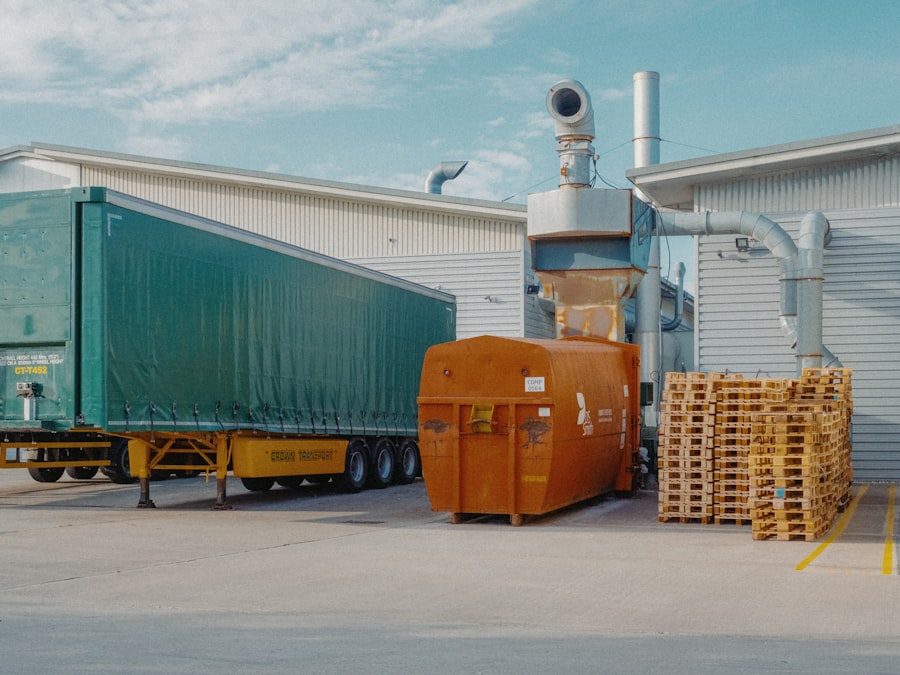
Selecting the appropriate cleaning equipment and chemicals is a critical step in achieving effective industrial cleaning. You want to ensure that the tools you use are not only effective but also safe for your employees and the environment. For instance, using industrial vacuums equipped with HEPA filters can significantly improve air quality by trapping dust and allergens that may otherwise circulate in the workplace.
When it comes to chemicals, it’s essential to choose products that are specifically formulated for industrial use. This means looking for cleaners that can tackle tough stains and contaminants without causing damage to surfaces or posing health risks. Additionally, consider eco-friendly options that minimize environmental impact while still delivering powerful cleaning results.
By making informed choices about equipment and chemicals, you can enhance the efficiency of your cleaning processes while prioritizing safety.
Implementing Proper Safety Measures
| Category | Metric | Value |
|---|---|---|
| Incident Rate | Number of incidents | 10 |
| Training | Number of employees trained | 50 |
| Compliance | Percentage of safety protocols followed | 95% |
Safety should always be at the forefront of your industrial cleaning efforts. Implementing proper safety measures not only protects your employees but also ensures compliance with industry regulations. Start by conducting a thorough risk assessment of your facility to identify potential hazards associated with cleaning tasks.
This assessment will help you develop a comprehensive safety plan tailored to your specific environment. Providing personal protective equipment (PPE) is another crucial aspect of maintaining safety during industrial cleaning. Ensure that employees have access to gloves, goggles, masks, and other necessary gear to protect them from exposure to harmful chemicals or physical hazards.
Additionally, training employees on safe cleaning practices is essential. By fostering a culture of safety, you empower your workforce to take responsibility for their well-being while performing their cleaning duties.
Creating an Effective Cleaning Schedule
An effective cleaning schedule is vital for maintaining a clean industrial environment consistently. You want to establish a routine that outlines when and how different areas of your facility will be cleaned. This schedule should take into account the specific needs of your operations, such as peak production times or special events that may require additional attention.
Incorporating regular inspections into your cleaning schedule can also help ensure that standards are met consistently. By assigning responsibilities to specific team members and setting clear expectations, you create accountability within your workforce. A well-structured cleaning schedule not only keeps your facility looking its best but also contributes to overall operational efficiency.
Training Employees for Efficient Cleaning Practices
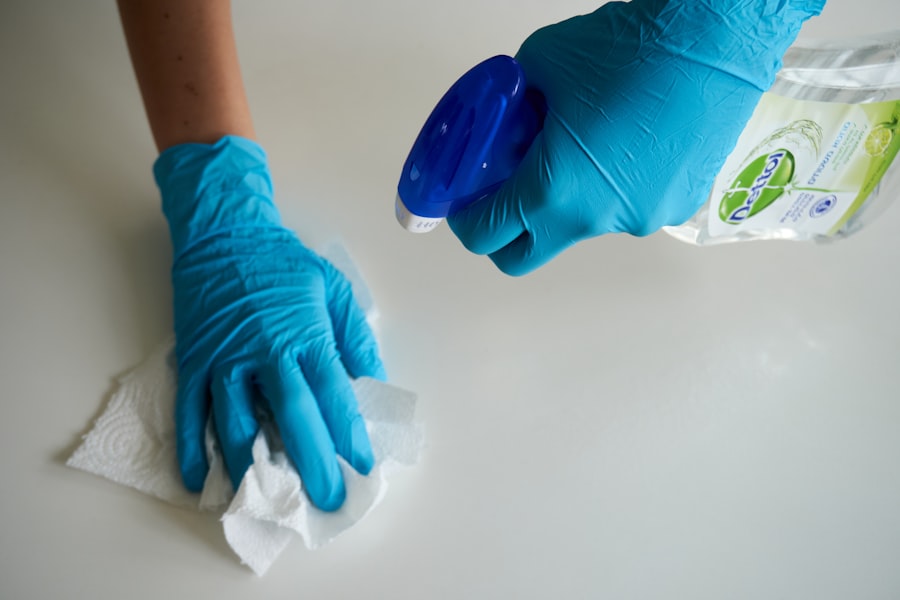
Training your employees in efficient cleaning practices is essential for achieving optimal results in industrial cleaning. You want to equip them with the knowledge and skills necessary to perform their tasks effectively while adhering to safety protocols. Start by providing comprehensive training sessions that cover the proper use of cleaning equipment, techniques for handling hazardous materials, and best practices for maintaining cleanliness.
Encouraging ongoing education is also beneficial. As new cleaning technologies and methods emerge, keeping your workforce informed ensures that they remain up-to-date with industry standards. By investing in employee training, you not only enhance the quality of your cleaning efforts but also foster a sense of pride among your team members as they contribute to a safe and clean workplace.
Utilizing Automation and Technology for Cleaning Processes
In today’s fast-paced industrial landscape, leveraging automation and technology can significantly enhance your cleaning processes. Automated cleaning equipment, such as robotic vacuums or floor scrubbers, can efficiently cover large areas while minimizing labor costs. These machines are designed to operate with precision, ensuring that every corner of your facility receives the attention it deserves.
Additionally, technology can aid in monitoring cleaning performance through data collection and analysis.
Monitoring and Evaluating Cleaning Performance
Monitoring and evaluating cleaning performance is crucial for maintaining high standards in industrial cleaning. Regular assessments allow you to identify areas where improvements can be made and ensure that your cleaning efforts align with established goals. Consider implementing a system for tracking key performance indicators (KPIs) related to cleanliness, such as inspection scores or employee feedback.
Conducting routine audits can also provide valuable insights into the effectiveness of your cleaning processes. By involving employees in this evaluation process, you foster a sense of ownership over cleanliness within your workforce. Continuous monitoring not only helps maintain standards but also encourages a culture of accountability and excellence in your industrial cleaning efforts.
Implementing Sustainable and Eco-Friendly Cleaning Practices
As environmental concerns continue to grow, implementing sustainable and eco-friendly cleaning practices has become increasingly important in industrial settings. You want to consider using biodegradable cleaning products that minimize harm to the environment while still delivering effective results. Additionally, adopting practices such as recycling waste materials or reducing water consumption during cleaning processes can significantly reduce your facility’s ecological footprint.
Educating employees about the importance of sustainability in cleaning practices fosters a culture of environmental responsibility within your organization. Encourage them to share ideas for improving sustainability efforts and recognize those who contribute positively to these initiatives. By prioritizing eco-friendly practices, you not only enhance your company’s reputation but also contribute to a healthier planet.
Outsourcing Industrial Cleaning Services
Outsourcing industrial cleaning services can be a strategic decision for many businesses looking to enhance their cleanliness without diverting resources from core operations. By partnering with a professional cleaning company like Attro Property Melbourne Cleaning Company, you gain access to specialized expertise and advanced equipment tailored for industrial environments. Outsourcing allows you to focus on what you do best while leaving the complexities of industrial cleaning to trained professionals.
These experts understand industry standards and regulations, ensuring that your facility remains compliant while maintaining high cleanliness levels. Additionally, outsourcing can often be more cost-effective than managing an in-house cleaning team, allowing you to allocate resources more efficiently.
Case Studies and Success Stories in Industrial Cleaning
Examining case studies and success stories in industrial cleaning can provide valuable insights into best practices and innovative approaches within the industry. For instance, consider a manufacturing plant that implemented a comprehensive cleaning program resulting in a significant reduction in workplace accidents due to improved safety measures. By sharing these success stories with your team, you inspire them to adopt similar practices within your organization.
Furthermore, learning from others’ experiences allows you to identify potential pitfalls and challenges associated with industrial cleaning efforts. By analyzing what has worked well for other companies, you can tailor your strategies accordingly and avoid common mistakes. Ultimately, these case studies serve as powerful reminders of the impact that effective industrial cleaning can have on overall operational success.
In conclusion, prioritizing industrial cleaning is essential for maintaining a safe and efficient workplace environment. By understanding the various types of industrial cleaning, choosing the right equipment and chemicals, implementing safety measures, creating effective schedules, training employees, utilizing technology, monitoring performance, adopting sustainable practices, outsourcing when necessary, and learning from case studies, you position your organization for success in maintaining cleanliness standards that benefit both employees and operations alike.
FAQs
What is industrial cleaning?
Industrial cleaning refers to the process of cleaning and maintaining large facilities such as factories, warehouses, manufacturing plants, and other industrial settings. It involves the use of specialized equipment, chemicals, and techniques to ensure the cleanliness and safety of the industrial environment.
Why is industrial cleaning important?
Industrial cleaning is important for maintaining a safe and healthy work environment for employees, as well as ensuring the efficiency and productivity of industrial operations. It also helps to comply with health and safety regulations and maintain the overall appearance of the facility.
What are the common methods used in industrial cleaning?
Common methods used in industrial cleaning include pressure washing, steam cleaning, chemical cleaning, abrasive blasting, and vacuuming. These methods are tailored to the specific needs of the industrial facility and the type of contaminants present.
What are the safety considerations in industrial cleaning?
Safety considerations in industrial cleaning include the use of personal protective equipment (PPE), proper training for handling chemicals and equipment, adherence to safety protocols, and compliance with OSHA regulations. It is important to prioritize safety to prevent accidents and exposure to hazardous materials.
What are the benefits of outsourcing industrial cleaning services?
Outsourcing industrial cleaning services can provide benefits such as access to specialized equipment and expertise, cost savings, increased efficiency, and the ability to focus on core business activities. Professional cleaning companies can also ensure compliance with industry standards and regulations.