

When it comes to cleaning, understanding the products you use is crucial for both effectiveness and safety. Many cleaning products contain chemicals that can be harmful if not used correctly. It’s essential to read labels carefully and familiarize yourself with the ingredients. For instance, some products may contain bleach, ammonia, or other harsh substances that can cause respiratory issues or skin irritation.
By knowing what’s in your cleaning arsenal, you can make informed decisions about which products to use and how to use them safely. Moreover, it’s important to recognize that not all cleaning products are created equal. Some are designed for specific surfaces or types of dirt, while others may be more versatile. Understanding the purpose of each product can help you achieve better results and minimize the risk of damage to your belongings.
For example, using an all-purpose cleaner on delicate surfaces may lead to scratches or discoloration. By taking the time to educate yourself about cleaning products, you can ensure a safer and more effective cleaning experience.
Key Takeaways
- Understanding the cleaning products: Read and follow the instructions on the labels of cleaning products to ensure safe and effective use.
- Proper ventilation: Always work in a well-ventilated area to minimize exposure to fumes and chemicals.
- Protecting your skin and eyes: Wear gloves, goggles, and other protective gear to prevent skin and eye irritation or injury.
- Handling equipment safely: Use cleaning equipment properly and store them in a safe place when not in use to prevent accidents.
- Keeping pets and children away: Keep cleaning products out of reach of pets and children to avoid accidental ingestion or exposure.
- Taking breaks and staying hydrated: Take regular breaks and stay hydrated to prevent fatigue and dehydration while cleaning.
- Storing chemicals properly: Store cleaning chemicals in their original containers and in a cool, dry place away from food and other household items.
- Seeking professional help if needed: If you are unsure about how to safely use a cleaning product or handle a cleaning task, seek professional help or advice.
Proper ventilation
Open Windows and Doors for Fresh Air
Open windows and doors to allow fresh air to circulate, and consider using fans to help disperse any lingering odors. This not only helps to reduce the concentration of harmful chemicals in the air but also makes the cleaning process more pleasant.
Exhaust Fans for Improved Air Quality
In addition to opening windows, using exhaust fans can significantly improve air quality. These fans are designed to pull stale air out of a room, making it easier to breathe while you clean.
Additional Precautions for Potent Products
If you’re using particularly potent products, such as those containing bleach or solvents, consider wearing a mask to further protect yourself from inhaling harmful particles.
By prioritizing proper ventilation, you can create a safer and more comfortable cleaning environment for yourself and anyone else in your home.
Protecting your skin and eyes
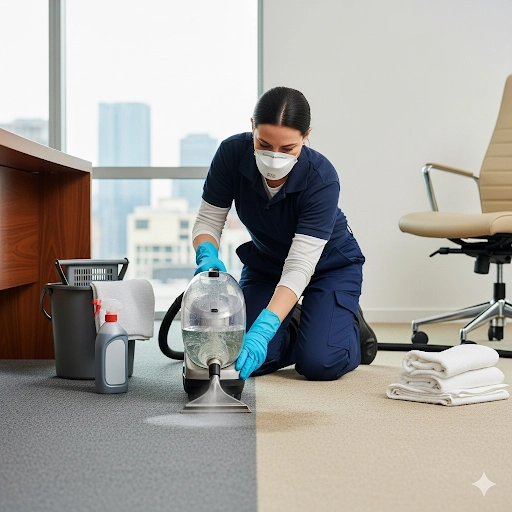
When engaging in cleaning tasks, protecting your skin and eyes should be a top priority. Many cleaning products can cause irritation or allergic reactions upon contact with skin. To safeguard yourself, consider wearing gloves made from rubber or latex when handling these substances. This simple step can prevent direct contact with harsh chemicals and keep your skin healthy and irritation-free.
In addition to gloves, wearing safety goggles can provide an extra layer of protection for your eyes. Cleaning products can sometimes splatter or emit fumes that may irritate your eyes. By wearing goggles, you can shield your eyes from potential harm while ensuring that you can focus on the task at hand without discomfort. Remember, taking these precautions not only protects you but also enhances your overall cleaning experience.
Handling equipment safely
| Equipment | Safety Measures | Training Required |
|---|---|---|
| Forklift | Wear seatbelt, use horn, follow speed limits | Operator certification |
| Pallet Jack | Inspect equipment, use proper lifting techniques | Training on operation and safety |
| Hoist | Inspect hooks and chains, avoid overloading | Training on safe operation and maintenance |
Handling cleaning equipment safely is just as important as using the right products. Whether you’re using a vacuum cleaner, mop, or any other tool, it’s essential to follow safety guidelines to prevent accidents. For instance, ensure that cords are not frayed or damaged before plugging in electrical equipment. This simple check can prevent electrical shocks or fires.
Additionally, be mindful of how you store and transport your cleaning equipment. Avoid overloading yourself with multiple items at once, as this can lead to slips and falls. Instead, take your time and carry one item at a time. If you’re using ladders or step stools for high areas, ensure they are stable and positioned correctly before climbing.
By practicing safe handling techniques, you can minimize the risk of injury while keeping your home clean.
Keeping pets and children away
When cleaning your home, it’s crucial to keep pets and children away from the area. Many cleaning products contain chemicals that can be harmful if ingested or inhaled. To ensure their safety, designate a separate space for them while you clean. This not only protects them from potential hazards but also allows you to focus on your tasks without distractions.
Creating a safe zone for pets and children can be as simple as closing doors or using baby gates. If you’re using particularly strong chemicals, consider informing older children about the dangers of these products so they understand why they need to stay away. By taking these precautions, you can create a safer environment for everyone in your home while effectively tackling your cleaning tasks.
Taking breaks and staying hydrated
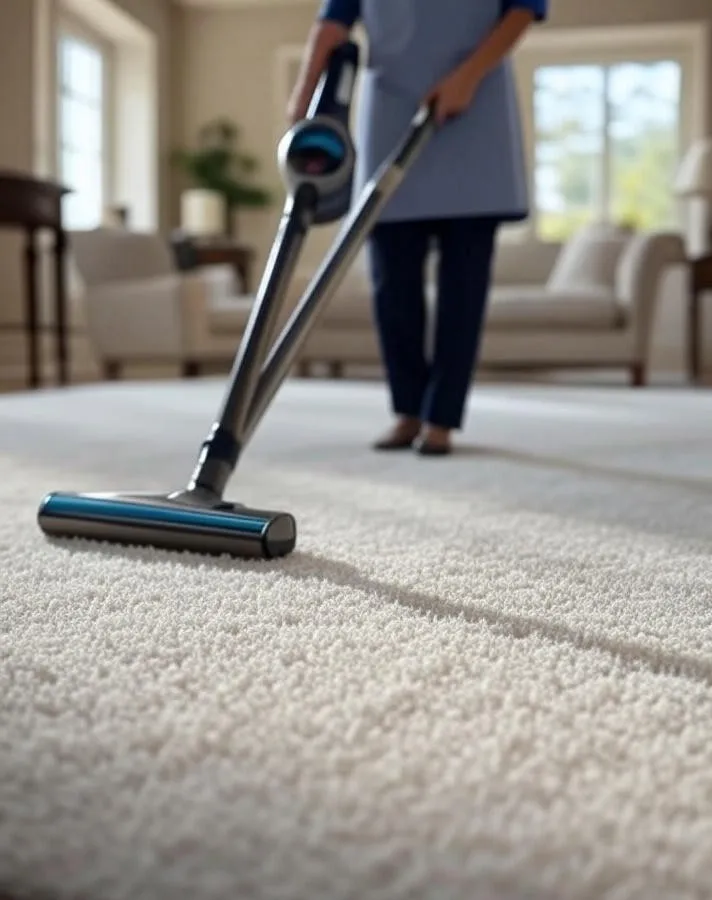
Cleaning can be physically demanding work, so it’s important to take breaks and stay hydrated. When you’re deep into scrubbing floors or dusting shelves, it’s easy to lose track of time. However, taking short breaks allows your body to rest and recharge. Use this time to stretch your muscles and give your mind a moment to relax.
Staying hydrated is equally important during your cleaning sessions. Keep a water bottle nearby and take sips regularly to maintain your energy levels. Dehydration can lead to fatigue and decreased concentration, making it harder to clean effectively. By prioritizing breaks and hydration, you’ll not only feel better but also enhance your overall productivity.
Storing chemicals properly
Proper storage of cleaning chemicals is essential for maintaining a safe home environment. Always store these products in their original containers with labels intact. This ensures that you know exactly what each product is and how to use it safely. Additionally, keep them out of reach of children and pets by placing them in high cabinets or locked storage areas.
It’s also wise to regularly check the expiration dates on your cleaning products. Expired chemicals may not work effectively and could pose safety risks if they degrade over time. Dispose of any outdated products according to local regulations to ensure they don’t harm the environment. By taking these steps, you can create a safer space for everyone in your home while ensuring that your cleaning supplies remain effective.
Seeking professional help if needed
Sometimes, despite our best efforts, we may need to seek professional help for our cleaning needs. If you’re dealing with stubborn stains or areas that require specialized equipment, hiring a professional cleaning service can save you time and frustration. These experts have the knowledge and tools necessary to tackle even the toughest jobs safely and effectively. Additionally, if you’re unsure about how to handle certain chemicals or equipment safely, don’t hesitate to reach out for assistance. Many companies offer guidance on proper usage or even provide training sessions for those who want to learn more about safe cleaning practices.
By seeking professional help when needed, you can ensure that your home remains clean while prioritizing safety for yourself and your loved ones. In conclusion, maintaining a clean home is essential for both aesthetics and health. By understanding cleaning products, ensuring proper ventilation, protecting yourself physically, handling equipment safely, keeping children and pets away, taking breaks, storing chemicals properly, and seeking professional help when necessary, you can create a safe and effective cleaning routine.
Remember that safety should always come first—your well-being is just as important as having a spotless home! If you’re looking for more tips on safe cleaning practices or need assistance with specific tasks, feel free to explore our blog further or contact us directly!
FAQs
What are some general safety guidelines for carpet cleaning?
Some general safety guidelines for carpet cleaning include wearing protective gear such as gloves and goggles, ensuring proper ventilation in the area being cleaned, and following the manufacturer’s instructions for cleaning products.
What are some common hazards associated with carpet cleaning?
Common hazards associated with carpet cleaning include exposure to harsh chemicals in cleaning products, potential slip and fall accidents from wet surfaces, and the risk of electrical shock from using equipment near water.
How can I protect myself from potential hazards while carpet cleaning?
To protect yourself from potential hazards while carpet cleaning, be sure to read and follow the instructions on cleaning product labels, wear appropriate protective gear, keep the area well-ventilated, and use caution when working with electrical equipment around water.
Are there any specific safety guidelines for using carpet cleaning equipment?
When using carpet cleaning equipment, it is important to follow the manufacturer’s instructions for proper use and maintenance. Additionally, be sure to unplug equipment before performing any maintenance or troubleshooting to avoid the risk of electrical shock.
What should I do in case of a chemical spill during carpet cleaning?
In case of a chemical spill during carpet cleaning, immediately ventilate the area, contain the spill to prevent it from spreading, and follow the appropriate procedures for cleaning up chemical spills as outlined by the product’s safety data sheet. If the spill is large or hazardous, contact emergency services for assistance.