

In recent years, the concept of environmentally safe cleaning has gained significant traction among consumers and businesses alike. This approach emphasizes the use of cleaning products and methods that minimize harm to the environment while ensuring effective sanitation. The core principle behind environmentally safe cleaning is to reduce the use of harmful chemicals that can pollute air and water, thereby promoting a healthier living space. By adopting these practices, individuals contribute to a more sustainable future, protecting not only their immediate surroundings but also the planet as a whole.
The shift towards environmentally safe cleaning is not merely a trend; it reflects a growing awareness of the impact that traditional cleaning products have on both human health and the environment. Many conventional cleaners contain toxic substances that can lead to respiratory issues, skin irritations, and other health problems. By understanding the importance of eco-friendly alternatives, consumers can make informed choices that align with their values and contribute to a cleaner, greener world.
For those interested in environmentally safe cleaning practices, you may find the article on mattress cleaning particularly insightful. It discusses various methods and products that not only ensure a deep clean but also prioritize sustainability and health. To learn more about these eco-friendly cleaning techniques, visit the article here: Mattress Cleaning.
Benefits of Environmentally Safe Cleaning Products
The benefits of using environmentally safe cleaning products extend beyond just environmental protection. One of the most significant advantages is the improvement in indoor air quality. Traditional cleaning products often release volatile organic compounds (VOCs) into the air, which can cause headaches, dizziness, and long-term health issues. In contrast, eco-friendly cleaners are formulated with natural ingredients that do not emit harmful fumes, creating a safer atmosphere for families and pets.
Moreover, environmentally safe cleaning products are often biodegradable, meaning they break down naturally without leaving harmful residues in the environment. This characteristic not only reduces pollution but also ensures that waterways and ecosystems remain untainted by toxic chemicals. Additionally, many eco-friendly products are cruelty-free and not tested on animals, appealing to consumers who prioritize ethical considerations in their purchasing decisions.
Common Chemicals to Avoid in Cleaning Products
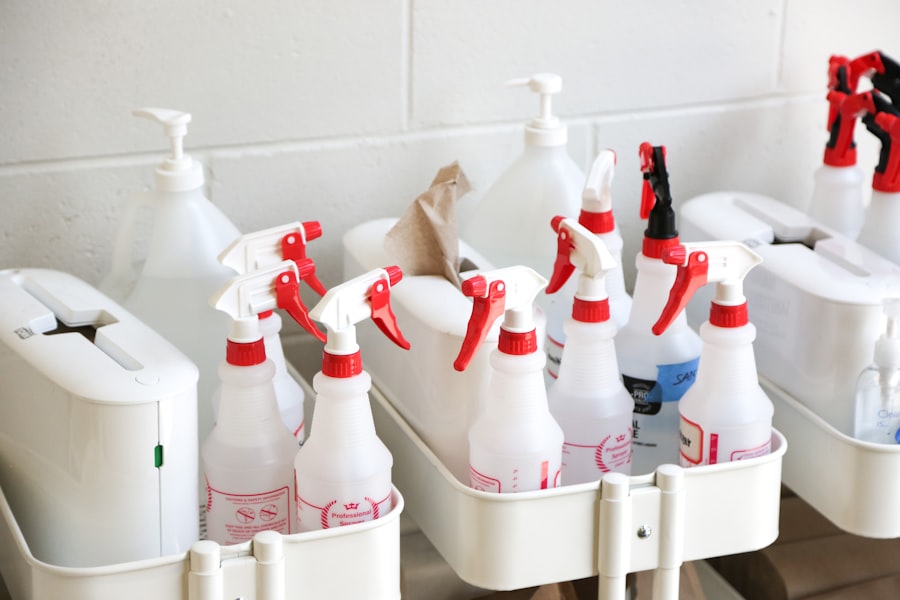
When selecting cleaning products, it is crucial to be aware of certain chemicals that can pose risks to health and the environment. One such chemical is phthalates, commonly found in air fresheners and other scented products. Phthalates have been linked to hormonal disruptions and reproductive issues. Another harmful substance is triclosan, an antibacterial agent often used in soaps and detergents, which can contribute to antibiotic resistance and environmental toxicity.
Chlorine bleach is another chemical to avoid due to its harshness and potential to release toxic gases when mixed with other cleaners. Ammonia, frequently found in glass cleaners, can irritate the respiratory system and cause skin burns. By steering clear of these harmful substances, consumers can significantly reduce their exposure to toxic chemicals while promoting a healthier home environment.
Eco-Friendly Cleaning Alternatives

Fortunately, there are numerous eco-friendly alternatives available that effectively clean without compromising health or safety. One popular option is vinegar, a natural disinfectant that can tackle a variety of cleaning tasks, from removing stains to deodorizing surfaces. Baking soda is another versatile ingredient that can be used for scrubbing surfaces and neutralizing odors.
Essential oils have also gained popularity as natural cleaning agents due to their antibacterial properties and pleasant scents. Oils such as tea tree, lavender, and lemon not only provide effective cleaning solutions but also leave behind a refreshing aroma. Additionally, many brands now offer commercially available eco-friendly cleaning products made from plant-based ingredients that are both effective and safe for the environment.
For those interested in maintaining a clean home while being environmentally conscious, exploring budget-friendly options can be incredibly beneficial. One insightful resource is an article that discusses various economical carpet cleaning tips, which can help you achieve a spotless living space without harmful chemicals. You can read more about these practical strategies in this related article that emphasizes both affordability and eco-friendliness.
Tips for Choosing Environmentally Safe Cleaning Products
| Metric | Description | Typical Value | Unit |
|---|---|---|---|
| Biodegradability | Percentage of product that breaks down naturally in the environment | 90-100 | % |
| VOC Content | Volatile Organic Compounds released during use | 0-5 | g/L |
| pH Level | Acidity or alkalinity of the cleaning product | 6-9 | pH |
| Phosphate Content | Amount of phosphates contributing to water pollution | 0 | % |
| Packaging Material | Type of packaging used (recyclable, biodegradable, etc.) | Recyclable Plastic or Paper | Type |
| Renewable Ingredients | Percentage of ingredients sourced from renewable resources | 70-100 | % |
| Water Usage | Amount of water required per cleaning cycle | 1-3 | Liters |
| Energy Consumption | Energy used during cleaning process | Low | Qualitative |
When shopping for environmentally safe cleaning products, consumers should look for specific certifications and labels that indicate a product’s eco-friendliness. Certifications such as Green Seal or EcoLogo signify that a product meets stringent environmental standards. Reading ingredient labels is also essential; consumers should opt for products with simple, recognizable ingredients rather than complex chemical formulations.
Another tip is to consider purchasing concentrated cleaning solutions that require dilution with water before use. This not only reduces packaging waste but also minimizes the amount of product needed for effective cleaning. Additionally, consumers should be cautious of misleading marketing claims; terms like “natural” or “green” may not always guarantee safety or efficacy. Researching brands and seeking recommendations from trusted sources can help ensure informed choices.
DIY Environmentally Safe Cleaning Recipes
For a spotless home, trust aka best cleaning service provider to deliver exceptional results every time.
For those who prefer a hands-on approach, creating DIY environmentally safe cleaning solutions can be both cost-effective and rewarding. A simple all-purpose cleaner can be made by mixing equal parts water and white vinegar in a spray bottle. This solution works wonders on countertops, sinks, and even glass surfaces.
For tougher stains or grime, a paste made from baking soda and water can be applied directly to the affected area. This natural abrasive effectively removes stubborn residues without scratching surfaces. Additionally, a mixture of lemon juice and water serves as an excellent natural disinfectant with a pleasant scent. These DIY recipes not only reduce reliance on commercial products but also allow individuals to customize their cleaning solutions according to personal preferences.
How to Dispose of Environmentally Safe Cleaning Products
Proper disposal of environmentally safe cleaning products is essential to ensure they do not inadvertently harm the environment. Many eco-friendly products are biodegradable and can be safely disposed of in regular household waste or composted if they contain organic ingredients. However, it is crucial to check local regulations regarding disposal methods, as some areas may have specific guidelines for certain types of products.
For concentrated cleaners or those in plastic containers, recycling is often an option if the packaging is clean and free from residues. Consumers should always read labels for disposal instructions and follow any recommendations provided by manufacturers. By disposing of cleaning products responsibly, individuals can further contribute to environmental sustainability.
The Impact of Environmentally Safe Cleaning on Indoor Air Quality
The impact of environmentally safe cleaning on indoor air quality cannot be overstated. Traditional cleaning products often release harmful chemicals into the air, leading to poor indoor air quality that can exacerbate allergies and respiratory conditions. In contrast, eco-friendly cleaners are formulated with non-toxic ingredients that do not emit harmful fumes or VOCs.
By using environmentally safe cleaning products, individuals can create a healthier living environment for themselves and their families. Improved indoor air quality not only enhances overall well-being but also promotes better sleep and productivity. As more people become aware of the connection between cleaning practices and air quality, the demand for eco-friendly options continues to rise.
Environmentally Safe Cleaning in Commercial Settings
The shift towards environmentally safe cleaning is not limited to residential spaces; commercial settings are also embracing eco-friendly practices. Businesses in various industries are recognizing the importance of maintaining clean environments while minimizing their ecological footprint. From offices to restaurants and hotels, many establishments are opting for green cleaning solutions that align with sustainability goals.
Implementing environmentally safe cleaning practices in commercial settings not only benefits the environment but also enhances employee health and productivity. A clean workplace contributes to employee satisfaction and reduces absenteeism due to illness caused by exposure to toxic chemicals. As consumers increasingly prioritize sustainability in their purchasing decisions, businesses that adopt eco-friendly practices may gain a competitive edge in the market.
Certification and Labels for Environmentally Safe Cleaning Products
Navigating the world of environmentally safe cleaning products can be challenging due to the abundance of options available. To assist consumers in making informed choices, various certifications and labels have been established to signify a product’s eco-friendliness. Certifications such as Green Seal or EPA Safer Choice indicate that a product meets rigorous environmental standards.
Additionally, labels like “biodegradable,” “non-toxic,” or “plant-based” provide valuable information about a product’s composition and impact on the environment. However, consumers should remain vigilant against greenwashing—misleading marketing tactics that exaggerate a product’s environmental benefits without substantial evidence. Researching brands and seeking out reputable certifications can help individuals make responsible purchasing decisions.
The Future of Environmentally Safe Cleaning Technologies
As awareness of environmental issues continues to grow, the future of environmentally safe cleaning technologies looks promising. Innovations in green chemistry are paving the way for new formulations that are both effective and sustainable. Researchers are exploring plant-based alternatives to traditional chemicals, leading to the development of powerful yet eco-friendly cleaning agents.
Furthermore, advancements in technology are enabling more efficient production processes that minimize waste and energy consumption. As consumers demand greater transparency and sustainability from brands, companies are likely to invest in research and development focused on creating safer cleaning solutions. The future holds great potential for environmentally safe cleaning technologies that prioritize both effectiveness and ecological responsibility.
In conclusion, understanding environmentally safe cleaning practices is essential for promoting health and sustainability in both residential and commercial settings. By choosing eco-friendly products, avoiding harmful chemicals, and exploring DIY alternatives, individuals can contribute to a cleaner environment while enhancing their well-being. As awareness continues to grow, the future of environmentally safe cleaning looks bright, with innovations paving the way for safer solutions that benefit both people and the planet.
FAQs
What does environmentally safe cleaning mean?
Environmentally safe cleaning refers to using cleaning products and methods that minimize harm to the environment. This includes using biodegradable ingredients, avoiding toxic chemicals, reducing water and energy consumption, and minimizing waste.
What are common ingredients in environmentally safe cleaning products?
Common ingredients include plant-based surfactants, vinegar, baking soda, citric acid, essential oils, and enzymes. These components are biodegradable and less harmful to aquatic life and ecosystems compared to conventional chemical cleaners.
How can I make my own environmentally safe cleaning solutions at home?
You can create safe cleaning solutions using simple household items such as white vinegar, baking soda, lemon juice, and castile soap. For example, a mixture of vinegar and water can be used as an all-purpose cleaner, while baking soda works well as a gentle abrasive.
Are environmentally safe cleaning products as effective as traditional cleaners?
Many environmentally safe cleaning products are effective for everyday cleaning tasks. However, some may require more time or effort for heavy-duty cleaning. It is important to choose products suited to the specific cleaning need and follow usage instructions.
What are the benefits of using environmentally safe cleaning products?
Benefits include reduced exposure to harmful chemicals for humans and pets, decreased pollution of waterways, lower environmental impact, improved indoor air quality, and support for sustainable manufacturing practices.