

In today’s world, the importance of effective disinfection in commercial cleaning cannot be overstated. With the rise of infectious diseases and heightened awareness of hygiene, businesses are under increasing pressure to maintain clean and safe environments. Effective disinfection not only protects employees and customers but also enhances the overall reputation of a business.
A clean workspace fosters productivity and morale, while a dirty one can lead to absenteeism and decreased employee satisfaction. Moreover, effective disinfection is crucial for compliance with health regulations. Many industries, such as healthcare, food service, and education, have stringent guidelines that must be followed to ensure safety.
By prioritizing disinfection, businesses can avoid potential legal issues and financial penalties. As an industry leader in commercial cleaning, we understand the nuances of these regulations and strive to provide our clients with the highest standards of cleanliness and safety.
Key Takeaways
- Effective disinfection is crucial in commercial cleaning to maintain a safe and healthy environment for employees and customers.
- Different types of disinfectants, such as quaternary ammonium compounds and hydrogen peroxide, have varying effectiveness and application methods.
- Proper application and dwell time are essential for disinfectants to work effectively and kill germs and viruses.
- Targeted areas for disinfection in commercial spaces include high-touch surfaces, restrooms, and common areas.
- Best practices for disinfection in high-traffic areas involve frequent cleaning and disinfection of surfaces and implementing measures to reduce the spread of germs.
- Implementing a regular disinfection schedule ensures that all areas are consistently cleaned and disinfected to maintain a safe environment.
- Training and certification for commercial cleaning staff are important to ensure they understand proper disinfection techniques and safety protocols.
- Evaluating the effectiveness of disinfection practices through regular inspections and testing helps to identify areas for improvement and ensure a high standard of cleanliness.
Understanding Different Types of Disinfectants
When it comes to commercial cleaning, understanding the different types of disinfectants is essential for effective sanitation. Disinfectants can be broadly categorized into three types: quaternary ammonium compounds (quats), bleach-based solutions, and hydrogen peroxide. Each type has its unique properties and applications, making it vital for cleaning professionals to choose the right one for their specific needs.
Quaternary ammonium compounds are popular due to their effectiveness against a wide range of pathogens and their relatively low toxicity. They are often used in routine cleaning and disinfecting surfaces in offices and schools. On the other hand, bleach-based solutions are powerful disinfectants that can kill bacteria and viruses quickly but require careful handling due to their corrosive nature.
Hydrogen peroxide is another effective disinfectant that breaks down into water and oxygen, making it an eco-friendly option. Understanding these differences allows commercial cleaning teams to select the most appropriate disinfectant for each situation, ensuring optimal results.
Proper Application and Dwell Time for Disinfectants
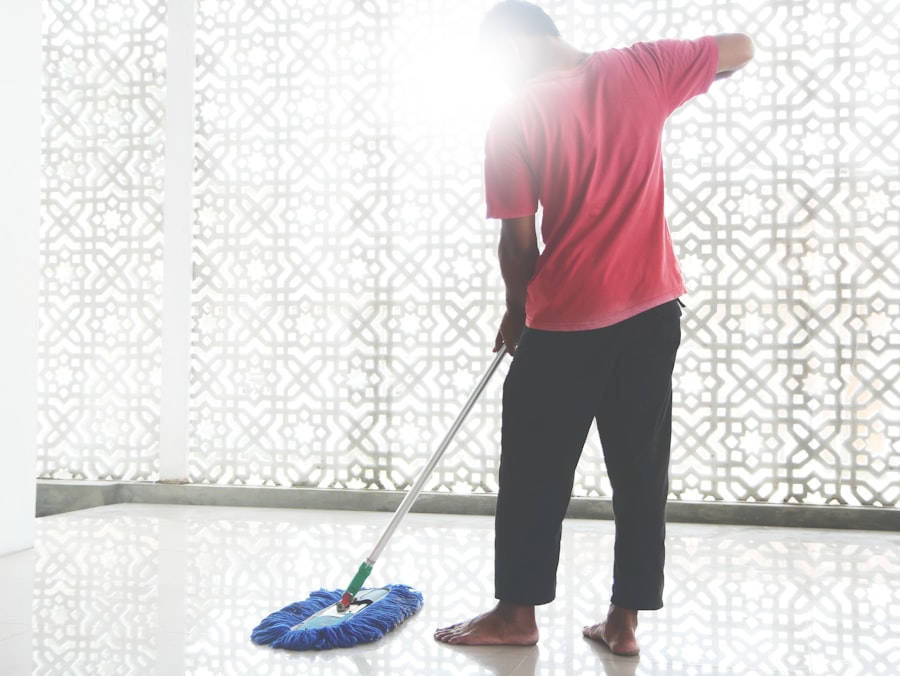
Proper application and dwell time are critical components of effective disinfection in commercial cleaning. Simply spraying a disinfectant on a surface is not enough; it must be applied correctly to ensure maximum efficacy. This involves following the manufacturer’s instructions regarding dilution ratios, application methods, and surface preparation.
Dwell time refers to the amount of time a disinfectant needs to remain wet on a surface to effectively kill pathogens. This can vary significantly between different products, ranging from a few seconds to several minutes. Failing to adhere to the recommended dwell time can result in ineffective disinfection, leaving harmful germs behind.
As industry leaders, we emphasize the importance of training our staff on these critical aspects to ensure that every cleaning job meets the highest standards of safety and effectiveness.
Targeted Areas for Disinfection in Commercial Spaces
| Area | Frequency of Disinfection | Recommended Disinfectant |
|---|---|---|
| Entrance and Reception | Multiple times daily | Quaternary Ammonium Compounds |
| Common Areas (e.g. hallways, elevators) | At least once every 2 hours | Alcohol-based disinfectants |
| Restrooms | Hourly | Bleach-based disinfectants |
| Meeting Rooms | Before and after each use | Hydrogen peroxide-based disinfectants |
In commercial spaces, certain areas require more attention when it comes to disinfection. High-touch surfaces such as doorknobs, light switches, elevator buttons, and shared equipment are breeding grounds for germs and should be prioritized during cleaning routines. Additionally, restrooms and break rooms are critical areas that demand thorough disinfection due to their frequent use by multiple individuals.
It’s also essential to consider less obvious areas that may harbor germs, such as computer keyboards, telephones, and even the surfaces of desks. By targeting these high-risk areas, commercial cleaning teams can significantly reduce the spread of infections within a workplace. Our expertise in identifying these critical zones allows us to tailor our disinfection strategies effectively, ensuring a safer environment for all.
Best Practices for Disinfection in High-Traffic Areas
High-traffic areas present unique challenges when it comes to disinfection in commercial cleaning. These spaces often experience constant foot traffic and touchpoints, making them hotspots for germs. To combat this, implementing best practices is essential for maintaining cleanliness and safety.
One effective strategy is to increase the frequency of disinfection in these areas.
For instance, restrooms should be cleaned multiple times a day, while common areas like lobbies or break rooms may require hourly attention during peak times.
Additionally, using color-coded cleaning tools can help prevent cross-contamination between different areas.
Our team is trained in these best practices, ensuring that we provide thorough and efficient cleaning services tailored to the specific needs of high-traffic environments.
Implementing a Regular Disinfection Schedule
Assessing Specific Needs
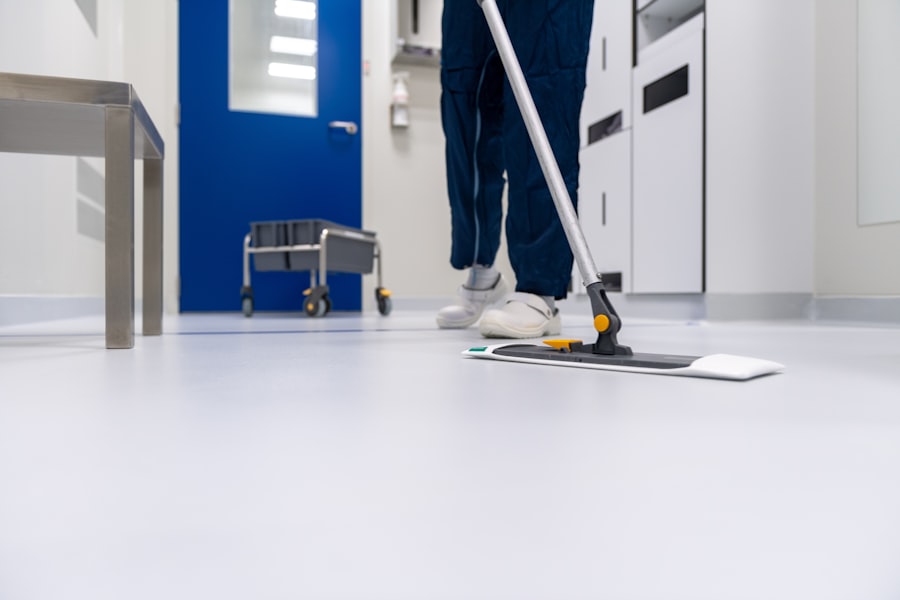
To create an effective schedule, businesses should assess their specific needs based on factors such as foot traffic, type of industry, and local health guidelines.
Customized Disinfection Schedules
For example, healthcare facilities may require daily deep cleaning and disinfection, while office spaces might benefit from weekly comprehensive cleanings supplemented by daily touchpoint disinfection.
Proactive Cleanliness Management
By implementing a tailored disinfection schedule, businesses can proactively manage cleanliness and reduce the risk of illness spreading within their facilities.
Training and Certification for Commercial Cleaning Staff
Training and certification for commercial cleaning staff play a crucial role in ensuring effective disinfection practices. A well-trained team is equipped with the knowledge and skills necessary to perform their duties safely and efficiently. This includes understanding how to use various disinfectants properly, recognizing high-touch areas that require special attention, and adhering to safety protocols.
Investing in ongoing training not only enhances staff performance but also demonstrates a commitment to quality service. Many industry leaders offer certification programs that cover essential topics such as infection control, chemical safety, and proper cleaning techniques. By prioritizing staff training and certification, businesses can ensure that their cleaning teams are prepared to meet the challenges of maintaining a clean environment in today’s health-conscious world.
Evaluating the Effectiveness of Disinfection Practices
Finally, evaluating the effectiveness of disinfection practices is essential for continuous improvement in commercial cleaning. Regular assessments help identify areas where protocols may need adjustment or enhancement. This can involve conducting surface tests to check for residual pathogens or gathering feedback from employees regarding their perceptions of cleanliness.
Additionally, utilizing technology such as UV-C light or ATP testing can provide objective data on the effectiveness of disinfection efforts. By analyzing this information, businesses can make informed decisions about their cleaning strategies and ensure they are meeting industry standards for hygiene and safety. As an industry leader committed to excellence, we continuously evaluate our practices to provide our clients with the highest level of service possible.
In conclusion, effective disinfection in commercial cleaning is not just a trend; it’s a necessity in today’s world. By understanding different types of disinfectants, applying them correctly, targeting high-risk areas, implementing regular schedules, training staff effectively, and evaluating practices regularly, businesses can create safer environments for everyone involved. If you’re looking for expert commercial cleaning services that prioritize effective disinfection practices, contact us today!
Let us help you maintain a clean and healthy workspace that fosters productivity and peace of mind.
If you are looking for more information on commercial cleaning and how to effectively disinfect your space, you may want to check out this article on commercial cleaning tips. This article provides valuable insights and strategies for maintaining a clean and sanitized environment in commercial settings. It offers practical advice on using commercial cleaning products and techniques to ensure the health and safety of employees and customers.
FAQs
What is commercial cleaning?
Commercial cleaning refers to the professional cleaning services provided to businesses, offices, and commercial properties. These services are typically carried out by trained and experienced cleaning professionals using specialized equipment and cleaning products.
Why is disinfecting important in commercial cleaning?
Disinfecting is important in commercial cleaning to eliminate harmful bacteria, viruses, and other pathogens that can spread illness and disease. It helps create a clean and hygienic environment for employees, customers, and visitors.
What are the recommended disinfectants for commercial cleaning?
Recommended disinfectants for commercial cleaning include EPA-approved products that are effective against a wide range of pathogens, including viruses and bacteria. Common disinfectants include quaternary ammonium compounds, hydrogen peroxide, and bleach-based solutions.
How should commercial cleaning professionals use disinfectants effectively?
Commercial cleaning professionals should follow the manufacturer’s instructions for each disinfectant, including proper dilution ratios, contact times, and safety precautions. It’s important to use the correct amount of disinfectant and ensure thorough coverage of all surfaces.
What are the key areas that should be disinfected in commercial settings?
Key areas that should be disinfected in commercial settings include high-touch surfaces such as doorknobs, light switches, countertops, desks, and shared equipment. Restrooms, break rooms, and other common areas should also be thoroughly disinfected regularly.
How often should commercial spaces be disinfected?
The frequency of disinfection in commercial spaces depends on factors such as foot traffic, the nature of the business, and public health guidelines. High-traffic areas may require daily or multiple times per day disinfection, while lower-traffic areas may be disinfected less frequently.