

A clean workplace is not just about aesthetics; it plays a crucial role in the overall productivity and well-being of employees. When the environment is tidy and organized, it fosters a sense of professionalism and respect among team members. Employees are more likely to feel motivated and focused when they are not distracted by clutter or dirt.
Moreover, a clean workplace can significantly reduce the risk of illness, as germs and allergens are kept at bay. This is particularly important in industries where employees are in close proximity to one another, as it helps to minimize the spread of contagious diseases. Additionally, a clean workplace reflects positively on the company’s image.
Clients and visitors form impressions based on their first encounters, and a well-maintained environment can enhance credibility and trust. Companies that prioritize cleanliness often find that they attract better talent and retain employees longer, as individuals prefer to work in environments that promote health and well-being. In essence, investing in cleanliness is investing in the company’s future.
Key Takeaways
- A clean workplace is important for employee health, productivity, and overall business success.
- Choosing the right cleaning products and equipment is essential for effective and efficient cleaning.
- Creating a cleaning schedule helps maintain a consistent level of cleanliness and organization.
- Training and educating cleaning staff on proper techniques and safety measures is crucial for maintaining a clean workplace.
- Implementing proper waste management practices is necessary for a clean and environmentally friendly workplace.
Choosing the Right Cleaning Products and Equipment
Selecting the right cleaning products and equipment is essential for maintaining a clean workplace. Not all cleaning agents are created equal; some may be effective but harmful to the environment or the health of employees. It’s important to choose eco-friendly products that are both effective and safe.
Look for certifications such as Green Seal or Eco Logo, which indicate that the products meet stringent environmental standards. Additionally, consider the specific needs of your workplace. For instance, if you have a lot of carpeted areas, you may need specialized carpet cleaners that can effectively remove stains without damaging the fibers.
Investing in high-quality cleaning equipment can also make a significant difference. For example, using commercial-grade vacuums with HEPA filters can improve air quality by trapping allergens and dust particles. Similarly, microfiber cloths and mops are more effective at picking up dirt and bacteria than traditional materials.
By choosing the right products and equipment, you not only enhance the cleanliness of your workplace but also contribute to a healthier environment for your employees.
Creating a Cleaning Schedule
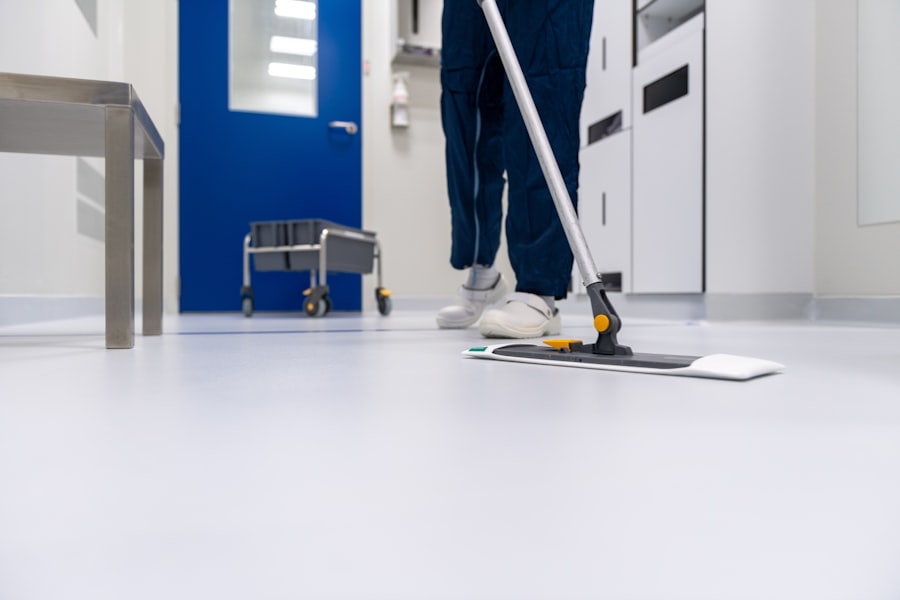
A well-structured cleaning schedule is vital for maintaining cleanliness in the workplace. Without a plan, cleaning tasks can easily fall by the wayside, leading to a buildup of dirt and clutter over time. Start by assessing the specific cleaning needs of your workplace.
Identify high-traffic areas that require daily attention, such as restrooms, break rooms, and entryways. Then, create a schedule that outlines daily, weekly, and monthly cleaning tasks. This ensures that all areas receive regular attention and helps to prevent any one area from becoming neglected.
Involving employees in the cleaning schedule can also foster a sense of responsibility and teamwork. Consider assigning specific tasks to different teams or individuals, rotating responsibilities to keep things fair and engaging. Regularly review and adjust the schedule as needed to accommodate changes in staff or workflow.
A proactive approach to cleaning not only keeps the workplace looking its best but also promotes a culture of cleanliness among employees.
Training and Educating Cleaning Staff
| Training and Educating Cleaning Staff | Metrics |
|---|---|
| Number of Staff Trained | 100 |
| Training Hours per Staff | 10 |
| Training Modules Completed | 5 |
| Training Satisfaction Rate | 90% |
Training and educating cleaning staff is an essential component of maintaining a clean workplace. Even the best cleaning products and equipment will not yield results if they are not used correctly. Providing comprehensive training ensures that staff members understand how to use cleaning products safely and effectively.
This includes knowledge about proper dilution ratios, application techniques, and safety precautions. Regular training sessions can also keep staff updated on new products or methods that may improve efficiency.
When they recognize how their efforts contribute to a healthier work environment, they are more likely to be diligent in their tasks. Consider implementing a recognition program that rewards outstanding performance in maintaining cleanliness. This not only boosts morale but also reinforces the significance of their role in creating a clean workplace.
Implementing Proper Waste Management
Effective waste management is a critical aspect of maintaining a clean workplace. It involves more than just emptying trash cans; it requires a strategic approach to reduce waste generation and promote recycling. Start by providing clearly labeled bins for different types of waste—recyclables, compostable, and general waste—to encourage proper disposal practices among employees.
Educating staff about what can be recycled or composted is essential for maximizing these efforts. Additionally, consider implementing a waste reduction program that encourages employees to minimize waste at its source. This could include initiatives like double-sided printing or using digital documents instead of paper whenever possible.
By fostering a culture of sustainability within the workplace, you not only contribute to a cleaner environment but also demonstrate corporate responsibility, which can enhance your company’s reputation.
Regular Maintenance and Deep Cleaning
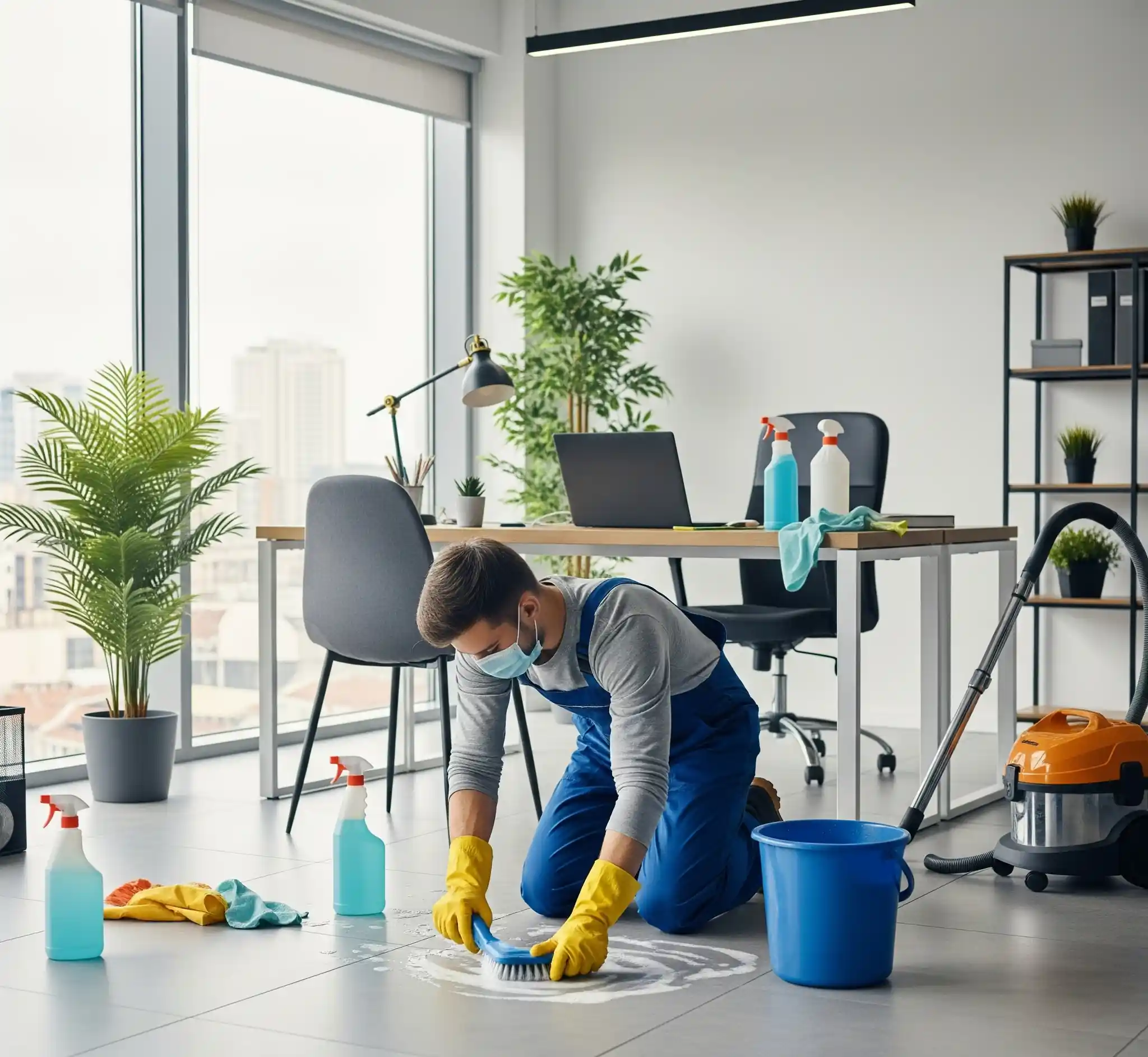
Regular maintenance and deep cleaning are vital for sustaining a clean workplace over time. While daily cleaning tasks help maintain surface cleanliness, deep cleaning addresses areas that may be overlooked during routine cleaning. This includes tasks such as carpet shampooing, window washing, and sanitizing high-touch surfaces like doorknobs and light switches.
Scheduling deep cleaning sessions on a quarterly or biannual basis can help ensure that your workplace remains in top condition. In addition to deep cleaning, regular maintenance of equipment and facilities is essential for preventing issues before they arise. For example, routine inspections of HVAC systems can improve air quality and efficiency while reducing energy costs.
Similarly, maintaining plumbing fixtures can prevent leaks that could lead to water damage or mold growth.
Addressing Specific Cleaning Challenges
Every workplace has its unique cleaning challenges that require tailored solutions. For instance, industries such as healthcare or food service have stringent hygiene requirements that necessitate specialized cleaning protocols. In these environments, it’s crucial to stay informed about industry regulations and best practices to ensure compliance while maintaining cleanliness.
Another common challenge is managing seasonal changes that can impact cleanliness. For example, during winter months, snow and mud can be tracked indoors, leading to increased dirt accumulation. Implementing strategies such as placing mats at entryways or increasing the frequency of floor cleaning during these times can help mitigate these challenges.
By proactively addressing specific cleaning challenges, you demonstrate your commitment to maintaining a clean workplace.
Ensuring a Safe and Healthy Work Environment
Ultimately, the goal of maintaining a clean workplace is to ensure a safe and healthy environment for all employees. A clean space reduces the risk of accidents caused by clutter or spills while also minimizing exposure to harmful substances like mold or bacteria. Regularly inspecting the workplace for potential hazards—such as loose wires or uneven flooring—can help prevent accidents before they occur.
Moreover, promoting good hygiene practices among employees is essential for fostering a healthy work environment. Encourage regular handwashing, provide hand sanitizers throughout the office, and educate staff about respiratory etiquette during cold and flu season. By prioritizing safety and health through cleanliness initiatives, you create an atmosphere where employees feel valued and cared for.
In conclusion, maintaining a clean workplace is an ongoing commitment that requires attention to detail and proactive measures across various aspects of operations. From choosing the right products to implementing effective waste management strategies, every step contributes to creating an environment where employees can thrive. As an industry leader in workplace cleanliness solutions, we understand the importance of these practices and are dedicated to helping businesses achieve their cleanliness goals.
If you’re ready to take your workplace cleanliness to the next level, contact us today! Let’s work together to create a cleaner, healthier environment for your team.
If you’re looking for more commercial cleaning tips, be sure to check out this article on how to properly clean and sanitize office spaces. This informative piece provides valuable insights on maintaining a clean and healthy work environment for employees and visitors alike. By following these tips, you can ensure that your commercial space remains spotless and free of germs.
FAQs
What are some important commercial cleaning tips?
Some important commercial cleaning tips include creating a cleaning schedule, using the right cleaning products, training staff on proper cleaning techniques, and regularly inspecting and maintaining cleaning equipment.
How often should commercial spaces be cleaned?
Commercial spaces should be cleaned on a regular basis, with high-traffic areas and frequently used surfaces being cleaned daily or multiple times a day. Less frequently used areas may be cleaned on a weekly or monthly basis.
What are some common cleaning products used in commercial cleaning?
Common cleaning products used in commercial cleaning include disinfectants, all-purpose cleaners, glass cleaners, floor cleaners, and restroom cleaners. It’s important to use products that are safe for the specific surfaces being cleaned.
What are some safety considerations for commercial cleaning?
Safety considerations for commercial cleaning include using proper personal protective equipment (PPE), following manufacturer’s instructions for cleaning products, ensuring proper ventilation in the cleaning area, and storing cleaning products in a secure and designated area.
How can businesses ensure effective commercial cleaning?
Businesses can ensure effective commercial cleaning by hiring professional cleaning services, providing proper training for in-house cleaning staff, using quality cleaning products and equipment, and regularly evaluating and adjusting the cleaning process as needed.