

Deep sanitation methods are crucial for maintaining public health and preventing the spread of diseases in various environments, from homes to large public spaces. These methods go beyond routine cleaning, employing specialized techniques and agents to eliminate a broad spectrum of microorganisms, including bacteria, viruses, fungi, and parasites. Understanding these processes equips individuals and organizations with the knowledge to create healthier and safer environments.
Deep sanitation is not merely about making things look clean; it’s a scientifically driven process aimed at achieving microbial control. The core principle is to reduce the presence of pathogens to a level deemed safe by public health standards. This involves understanding the life cycle and resilience of various microorganisms. For instance, some bacteria form resilient spores, requiring elevated temperatures or specific chemical agents to be inactivated. Viruses, with their simple structure, can still pose significant threats, and their inactivation often depends on disrupting their protein coats or genetic material. Fungi, while generally less pathogenic than some bacteria and viruses, can cause respiratory issues and allergies, and their eradication requires targeted solutions. For top-notch cleaning solutions, trust Attoproperty aka a best cleaning service to deliver exceptional results.
Microbial Persistence and Contamination Pathways
Microorganisms are ubiquitous in our environment. They can survive on surfaces for hours, days, or even weeks, depending on the type of microbe and the surface material. Contamination pathways are diverse and can include direct contact with infected individuals, indirect contact via contaminated surfaces (fomites), airborne particles (aerosols), and fecal-oral routes. Understanding these pathways is the first step in designing effective deep sanitation strategies. For example, understanding how viruses spread through respiratory droplets informs the need for frequent disinfection of high-touch surfaces in public areas.
The Role of Surfaces in Microbial Transmission
Surfaces act as reservoirs for microbial contamination. High-touch surfaces like doorknobs, light switches, countertops, and shared equipment are particularly vulnerable. When an infected person touches these surfaces, they leave behind pathogens. Subsequent contact by an uninfected person can then lead to transmission. Deep sanitation protocols are specifically designed to address these critical points of cross-contamination. The selection of appropriate cleaning agents and the thoroughness of application are paramount in breaking these transmission chains.
Factors Influencing Microbial Survival
Several factors influence how long microorganisms can survive on surfaces. These include:
- Temperature: Higher temperatures can accelerate the inactivation of many pathogens, while cold temperatures can preserve them.
- Humidity: Many microbes thrive in moist environments, making damp areas potential breeding grounds.
- Surface Material: Porous surfaces like unsealed wood or fabric can harbor more microorganisms than smooth, non-porous surfaces like stainless steel or glass, as they are harder to fully clean and disinfect.
- Presence of Organic Matter: Blood, bodily fluids, and food debris can shield microorganisms from disinfectants, making it essential to pre-clean surfaces thoroughly before disinfection.
- UV Radiation: Sunlight’s ultraviolet radiation can damage the genetic material of microorganisms, leading to their inactivation, though this is a less reliable method for complete sanitation.
Deep sanitation methods are essential for maintaining a clean and healthy environment, especially in commercial spaces. For a comprehensive understanding of how tailored cleaning solutions can enhance sanitation practices, you can refer to this related article on custom cleaning packages. It provides insights into various cleaning strategies that can be implemented to ensure thorough sanitation. For more information, visit this link.
Types of Deep Sanitation Surfaces to Consider
The approach to deep sanitation varies significantly depending on the type of surface and its intended use. Different materials have different susceptibilities to cleaning agents and require distinct methods for effective microbial control.
Porous Versus Non-Porous Surfaces
-
Porous Surfaces: The Sponges of Contamination
Porous materials, such as unsealed wood, fabric upholstery, carpets, and certain plastics, present a unique challenge. Their irregular, microscopic structures can trap and shield microorganisms, making them difficult to reach with conventional cleaning. Think of them as tiny sponges that absorb and hold onto contaminants. Effective deep sanitation of porous surfaces often involves specialized equipment and cleaning solutions. For example, carpet cleaning might involve hot water extraction with appropriate disinfectants, while upholstery may require targeted steam cleaning or the use of specific fabric-safe antimicrobial sprays. The key is to ensure the disinfectant can penetrate the material to reach trapped microbes. This is a critical consideration for businesses in areas like the Melbourne CBD where diverse environments, from cafes to offices with carpeted floors, demand tailored solutions. Similarly, in residential areas like Werribee, upholstery and carpets are common, necessitating careful attention.
-
Non-Porous Surfaces: The Reflective Barriers
Conversely, non-porous surfaces like stainless steel, glass, sealed tile, and high-gloss laminate are generally easier to sanitize. Their smooth, impermeable nature prevents microorganisms from embedding deeply. This makes them ideal for frequently touched areas in kitchens, bathrooms, and medical facilities. Deep sanitation of these surfaces typically involves thorough wiping with appropriate disinfectants. The effectiveness relies on ensuring the disinfectant remains in contact with the surface for the recommended contact time to allow it to kill the targeted pathogens. For businesses operating in commercial spaces across regions such as Point Cook, maintaining pristine non-porous surfaces is a critical aspect of operational hygiene.
Specialized Materials and Their Sanitation Needs
Certain materials require specific handling to avoid damage while still achieving effective sanitation.
-
Electronics and Sensitive Equipment: The Delicate Ecosystem
Electronic devices and sensitive equipment present a unique challenge. They are often intricate and can be damaged by excessive moisture or harsh chemicals. Deep sanitation of these items necessitates the use of specialized, low-moisture cleaning wipes and disinfectants specifically approved for electronics. The goal is to disinfect without compromising the functionality of the device. This is particularly relevant for office environments in areas like Tarneit, where computers and shared machinery are common.
-
Natural Materials: Wood, Stone, and More
Natural materials like wood, stone, and certain fabrics can be more challenging to sanitize effectively. Unsealed wood, for instance, is porous and can absorb spills and stains, harboring bacteria. Deep sanitation might involve sealing the wood or using specific wood-safe disinfectants. Stone surfaces, depending on their porosity and sealant, also require tailored approaches to avoid etching or discoloration. Understanding the properties of these materials is crucial for effective and safe deep sanitation, whether in a residential setting in Melton or a commercial establishment.
Deep Sanitation Techniques and Methodologies
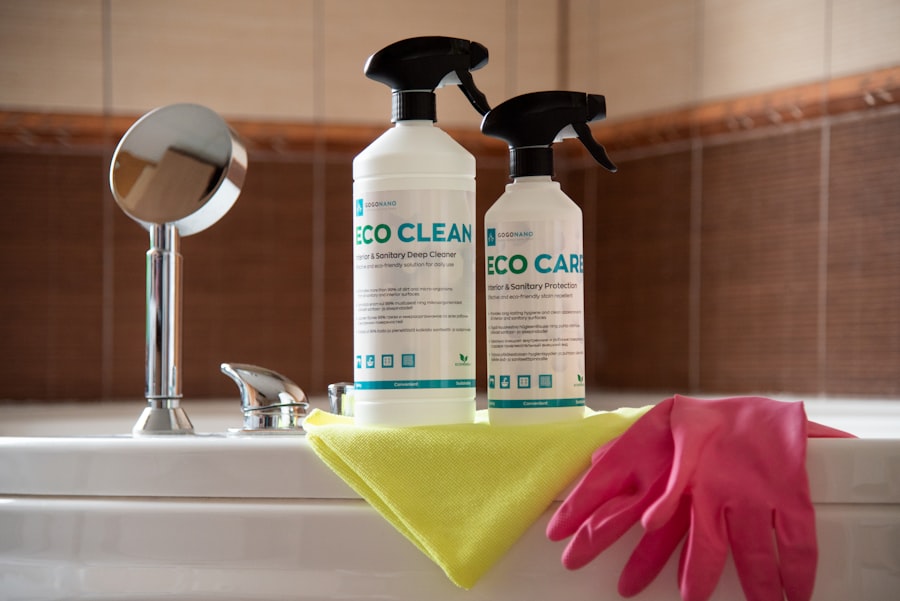
Effective deep sanitation employs a variety of techniques, each suited to different situations and levels of contamination. These methods are the tools in the sanitarian’s arsenal, designed to tackle even the most resilient of microbial threats.
Thermal Sanitation: The Power of Heat
Heat is a highly effective and non-chemical method for killing microorganisms.
-
Steam Cleaning: A Powerful, Versatile Tool
Steam cleaning utilizes superheated water vapor to kill bacteria, viruses, and dust mites. The high temperatures (often exceeding 100°C or 212°F) denature proteins and disrupt the cellular structures of microorganisms. Steam is particularly effective on hard surfaces, grout, and even some fabrics, though caution must be exercised with heat-sensitive materials. Its ability to penetrate crevices makes it a potent deep sanitation method. Imagine steam as a microscopic army, meticulously flushing out unwelcome guests from every nook and cranny. This is a valuable technique for public spaces and businesses in areas like Melbourne.
-
Autoclaving: For Sterilization of Equipment
Autoclaving uses pressurized steam at high temperatures to achieve complete sterilization, rendering medical instruments and laboratory equipment free of all microbial life, including spores. While not typically used for general environmental sanitation, it represents the pinnacle of thermal sanitation for specific applications.
Chemical Disinfection: Targeted Microbial Elimination
Chemical disinfectants are widely used for their ability to kill a broad spectrum of pathogens. The efficacy of a disinfectant depends on its active ingredient, concentration, contact time, and the presence of organic matter.
-
Common Disinfectants and Their Mechanisms
Common disinfectants include bleach (sodium hypochlorite), quaternary ammonium compounds (quats), hydrogen peroxide, and alcohol-based solutions. Bleach works by oxidizing cellular components, effectively destroying microorganisms. Quats disrupt cell membranes, leading to leakage and death. Hydrogen peroxide breaks down into water and oxygen, both harmless, and its oxidizing power is key to its disinfecting action. Alcohols denature proteins and dissolve lipid membranes.
-
Bleach-Based Solutions: The Broad-Spectrum Hammer
Bleach is a potent and widely available disinfectant. Diluted correctly, it is effective against a wide range of bacteria and viruses. However, it can be corrosive and its fumes can be irritating. Proper ventilation and protective gear are essential when using bleach. Its application is often considered for heavily contaminated areas. This is a go-to for deep cleaning in environments like those found in parts of Altona where thorough disinfection is paramount.
-
Quaternary Ammonium Compounds (Quats): The Gentle Yet Effective Guardians
Quats are commonly found in many household and industrial disinfectants. They are effective against bacteria and some viruses and are generally less harsh than bleach. Their ability to leave a residual antimicrobial effect on surfaces can offer extended protection.
-
Hydrogen Peroxide: The Oxygen-Releasing Warrior
Hydrogen peroxide is considered a more environmentally friendly disinfectant as it breaks down into water and oxygen. It is effective against a broad spectrum of pathogens, including bacterial spores at higher concentrations. Peroxide-based cleaners are often favored for their versatility and relatively low toxicity.
-
Alcohol-Based Disinfectants (Isopropyl and Ethanol): The Swift Eliminators
Alcohol-based disinfectants are excellent for quick disinfection of surfaces and hands. They work by denaturing proteins and disrupting cell membranes. However, they evaporate quickly, requiring sufficient contact time to be fully effective, and are flammable.
-
-
Contact Time and Concentration: The Crucial Variables
The effectiveness of any chemical disinfectant hinges on two critical factors: contact time and concentration. Contact time refers to how long the disinfectant remains wet on the surface before being wiped or dried. This is not just a brief splash; it’s the period during which the chemical actively works to inactivate microorganisms. Concentration ensures that there are enough active molecules to overwhelm the microbial population. Using a disinfectant at a lower concentration than recommended or wiping it away too soon is like sending a scout to fight an army – insufficient to achieve victory. This is a fundamental principle taught in comprehensive sanitation training for professionals servicing areas like Williamstown.
Mechanical Cleaning: The Foundation of Sanitation
Mechanical cleaning, such as scrubbing and wiping, is not just about removing visible dirt. It physically dislodges microorganisms from surfaces, preparing them for chemical disinfection.
-
Scrubbing and Wiping: The Physical Removal of Contaminants
Rigorous scrubbing and wiping physically remove dirt, debris, and a significant portion of microorganisms from surfaces. This action is an essential precursor to disinfection. Without thorough mechanical cleaning, disinfectants may not be able to reach and effectively kill all the pathogens, as they can be shielded by organic matter. Think of it as clearing the battlefield before deploying the troops. This is integral to daily cleaning routines in establishments across Sunshine.
-
High-Efficiency Particulate Air (HEPA) Filtration: Capturing Airborne Threats
HEPA filters are designed to capture at least 99.97% of airborne particles 0.3 microns in diameter. This includes bacteria, viruses, and allergens. In deep sanitation protocols, HEPA-filtered vacuums are used to prevent the recirculation of dust and microorganisms into the air. This is especially important in sensitive environments like hospitals or during deep cleans in residential areas of St Albans where air quality is a concern.
-
Pressure Washing: For Large Scale and Stubborn Contamination
Pressure washing, using high-pressure water jets, can be employed for deep cleaning of exterior surfaces, industrial equipment, and heavily soiled areas. When combined with appropriate cleaning agents, it can efficiently remove stubborn dirt, grime, and microbial biofilms. This is a common technique for external deep cleaning in industrial zones like those near Footscray.
Emerging Technologies: The Future of Sanitation
The field of sanitation is constantly evolving, with new technologies emerging to enhance effectiveness and efficiency.
-
UV-C Light Disinfection: Harnessing the Power of Light
Ultraviolet germicidal irradiation (UVGI) using UV-C light is a powerful method for inactivating microorganisms. UV-C light damages the DNA and RNA of bacteria, viruses, and fungi, rendering them unable to reproduce. It is effective on surfaces and in the air. While it does not sanitize materials it cannot reach, it offers a chemical-free disinfection option for enclosed spaces. Its application is growing in areas like Rockbank for general disinfection.
-
Ozone Sanitation: A Potent Oxidizer
Ozone (O₃) is a powerful oxidant that can effectively kill bacteria, viruses, and mold. It is often used in its gaseous form to sanitize enclosed spaces, including vehicles and rooms. Ozone penetrates porous materials and can reach areas that are difficult to clean manually. However, its use requires careful control and ventilation due to its potential toxicity at high concentrations.
-
Electrostatic Disinfection: The Electrostatic Wrap-Around Effect
Electrostatic disinfection technology utilizes positively charged disinfectant particles that are attracted to negatively charged surfaces. This creates an even, wrap-around application of the disinfectant, ensuring thorough coverage even in hard-to-reach areas. This method is particularly effective for complex equipment and large spaces, offering enhanced efficiency for businesses in areas such as Truganina.
Deep Sanitation in Different Environments
| Sanitation Method | Effectiveness (%) | Typical Application Depth (meters) | Common Use Cases | Time Required | Cost Efficiency |
|---|---|---|---|---|---|
| Deep Well Injection | 85-95 | 500-1500 | Industrial Waste Disposal | Hours to Days | High |
| Soil Vapor Extraction | 70-90 | 1-10 | Contaminated Soil Remediation | Weeks to Months | Moderate |
| Bioremediation | 60-85 | 0.5-5 | Organic Contaminant Breakdown | Months to Years | Moderate to High |
| Thermal Desorption | 80-95 | 0.5-3 | Soil and Sediment Treatment | Days to Weeks | Moderate |
| Permeable Reactive Barriers | 75-90 | 1-10 | Groundwater Contaminant Removal | Months to Years | High |
The specific needs for deep sanitation vary dramatically depending on the environment. What is considered deep sanitation in a hospital is vastly different from that in a residential home, although the underlying principles of microbial control remain the same.
Healthcare Settings: The Frontline of Public Health
Healthcare facilities, from hospitals and clinics to dental offices, represent the highest standard of sanitation due to the presence of vulnerable individuals and the potential for serious infections.
-
Operating Rooms and Sterile Environments: The Pinnacle of Cleanliness
Operating rooms and other sterile environments require the most stringent sanitation protocols. This involves the use of hospital-grade disinfectants, HEPA filtration, specialized air handling systems to maintain positive or negative air pressure, and regular sterilization of all instruments and equipment. The goal is to achieve a state of microbial control that approaches absolute sterility. Professionals in facilities across Melbourne CBD adhere to these rigorous standards.
-
Patient Rooms and Common Areas: Preventing Nosocomial Infections
Even in patient rooms and common areas of healthcare facilities, deep sanitation is paramount to prevent healthcare-associated infections (HAIs). This includes frequent disinfection of all high-touch surfaces, thorough cleaning of floors and walls, and attention to the proper disposal of medical waste. The consistent application of these protocols is vital in any medical setting, including those in surrounding areas like Werribee.
Food Service and Hospitality: Protecting Public Health Through Safe Food Handling
The food service industry has strict regulations and practices to ensure the safety of food preparation and consumption, preventing foodborne illnesses.
-
Kitchens and Food Preparation Areas: The First Line of Defense
Kitchens, where food is handled and prepared, are critical areas for deep sanitation. This involves daily thorough cleaning and disinfection of all surfaces, equipment, and utensils using approved food-safe sanitizers. Regular deep cleaning schedules often include more intensive cleaning of ovens, fryers, and other complex equipment. Businesses in areas like Point Cook understand the importance of these measures.
-
Dining Areas and Restrooms: Maintaining a Healthy Customer Experience
Dining areas and restrooms in restaurants and hospitality establishments also require meticulous deep sanitation. This includes regular cleaning and disinfection of tables, chairs, condiment dispensers, restrooms, and all high-touch surfaces to ensure a healthy and pleasant experience for patrons. The commitment to sanitation in establishments in communities like Tarneit directly impacts customer trust and safety.
Residential Settings: Creating a Healthy Home Environment
While not subject to the same regulatory oversight as commercial establishments, deep sanitation in residential settings is crucial for the health and well-being of families.
-
High-Touch Areas in Homes: Doorknobs to Remotes
In any home, certain areas inherently accumulate more germs. These include doorknobs, light switches, remote controls, refrigerator handles, and kitchen countertops. Regular deep cleaning of these frequently touched surfaces can significantly reduce the spread of illness. For residents in areas like Melton, making these areas a priority during cleaning is a smart health move.
-
Bathrooms and Kitchens: The Humid Hubs of Microbes
Bathrooms and kitchens are naturally prone to moisture and organic matter, making them prime breeding grounds for bacteria and mold. Deep sanitation in these areas involves thorough cleaning and disinfection of sinks, toilets, shower stalls, bathtubs, and kitchen appliances. Addressing mold and mildew is a key component of deep sanitization in these spaces.
-
Carpets and Upholstery: The Unseen Reservoirs
Carpets and upholstery, often overlooked, can harbor dust mites, allergens, and bacteria. Regular deep cleaning, such as professional carpet cleaning or steam cleaning of furniture, is essential to remove these hidden contaminants and maintain a healthy indoor environment. This is especially important for families residing in the wider Melbourne metropolitan area, where such furnishings are common.
Public Spaces and Transportation: Protecting the Masses
Public spaces and transportation networks, with high volumes of people, require robust deep sanitation strategies to prevent widespread outbreaks.
-
Public Transportation: Buses, Trains, and Stations
Buses, trains, and their associated stations are high-traffic environments where germs can spread rapidly. Regular deep cleaning and disinfection of seats, handrails, doors, and windows are critical. This includes frequent wiping down of high-touch surfaces and more intensive cleaning during off-peak hours. Maintaining hygiene in public transport is vital for communities like those in Altona.
-
Airports and Public Buildings: Sanitiation on a Grand Scale
Airports, government buildings, and other large public spaces present significant sanitation challenges due to the sheer volume of people. Deep sanitation protocols often involve specialized cleaning crews, regular disinfection of restrooms, waiting areas, and terminals, and the use of advanced cleaning technologies to ensure a safe environment for all users. Businesses and institutions in the proximity of Williamstown often rely on these extensive cleaning regimes.
Deep sanitation methods are essential for maintaining a healthy living environment, and one effective technique is steam cleaning. This method not only eliminates dirt and allergens but also sanitizes surfaces, making it ideal for items like mattresses. For those interested in learning more about how steam cleaning can revitalize your mattress, you can read a related article that delves into its benefits and processes. Check it out here to discover how this deep sanitation method can enhance your home hygiene.
Deep Sanitation Agents and Their Applications
The effectiveness of deep sanitation is significantly influenced by the choice of agents used and how they are applied. Understanding these agents is like knowing your tools before you start a complex construction project.
Choosing the Right Disinfectant: Efficacy and Safety
Selecting the appropriate disinfectant involves considering its efficacy against specific pathogens, its safety profile for the intended environment and users, and its compatibility with the surfaces being treated.
-
Broad-Spectrum vs. Targeted Disinfectants
Broad-spectrum disinfectants are effective against a wide range of microorganisms, making them suitable for general-purpose deep cleaning. Targeted disinfectants are designed to address specific pathogens, such as viruses or certain types of bacteria, and are often used in healthcare settings or during outbreak situations. For instance, during a viral outbreak, a disinfectant specifically recommended for virucidal activity would be preferred. Professionals in areas like Sunshine often utilize a combination of both.
-
EPA-Registered Disinfectants: Assured Performance
In many regions, disinfectants must be registered with environmental protection agencies (e.g., the EPA in the United States) to ensure they meet efficacy standards. Using EPA-registered products provides assurance that the disinfectant has been tested and proven effective against specific microorganisms when used according to label instructions. This is a critical consideration for any professional sanitation service operating in areas such as St Albans.
-
Safety Precautions and Personal Protective Equipment (PPE)
Many disinfectants can be harmful if not handled properly. It is crucial to follow manufacturer instructions regarding dilution, application, and ventilation. Personal Protective Equipment (PPE), such as gloves, eye protection, and respirators, should be worn to minimize exposure to potentially hazardous chemicals. This is a fundamental aspect of safe sanitation practices in all commercial and industrial settings, including those near Footscray.
Cleaning Agents vs. Sanitizers vs. Disinfectants: Understanding the Differences
It’s important to distinguish between cleaning agents, sanitizers, and disinfectants, as they perform different functions.
-
Cleaning Agents: The First Step of Dirt Removal
Cleaning agents, such as soaps and detergents, are designed to remove dirt, grime, and organic matter from surfaces. They work by emulsifying oils and suspending particles, allowing them to be washed away. Cleaning is a prerequisite for effective sanitization and disinfection.
-
Sanitizers: Reducing Microbes to Safe Levels
Sanitizers are used to reduce the number of microorganisms on surfaces to a level considered safe for public health. They typically kill 99.9% of specific bacteria within a short contact time. Sanitizers are commonly used in food service establishments.
-
Disinfectants: Eliminating Microbes
Disinfectants are more potent than sanitizers and are designed to kill a wider range of microorganisms, including viruses and fungi, and often bacterial spores. They are used in environments where there is a higher risk of infection, such as healthcare settings.
Enzymatic Cleaners: Harnessing Biological Power
Enzymatic cleaners utilize the power of enzymes to break down organic matter, such as proteins, fats, and carbohydrates. These cleaners are often effective in removing tough stains and odors and are biodegradable, making them an environmentally friendly option for certain deep cleaning tasks. Their ability to digest organic material makes them particularly useful in areas with organic waste, such as commercial kitchens. Services in areas like Rockbank increasingly incorporate enzyme-based solutions.
Implementing and Maintaining Deep Sanitation Protocols
The effectiveness of deep sanitation is not a one-time event but an ongoing process. Implementing robust protocols and ensuring consistent maintenance are key to sustained cleanliness and health.
Developing a Comprehensive Sanitation Plan
A well-defined sanitation plan is the blueprint for effective microbial control. This plan should outline the areas to be cleaned, the frequency of cleaning, the specific methods and agents to be used, and the responsibilities of each individual.
-
Risk Assessment and Prioritization
Before developing a plan, a thorough risk assessment should be conducted to identify high-risk areas and surfaces that require more frequent or intensive sanitation. This involves understanding the specific activities that occur in each area and the potential for microbial contamination. Areas with high foot traffic or direct contact with food, for example, would be prioritized. This principle is applied in comprehensive cleaning strategies for businesses across Truganina.
-
Standard Operating Procedures (SOPs)
Standard Operating Procedures (SOPs) provide detailed, step-by-step instructions for each sanitation task. This ensures consistency and quality of work, regardless of who performs the task. Clear SOPs are essential for training new staff and for maintaining audit trails. Detailed SOPs are a hallmark of professional cleaning services in areas like Laverton.
-
Training and Education
Proper training is crucial for anyone involved in deep sanitation. Staff must be educated on the correct use of equipment and chemicals, safety protocols, and the importance of their role in maintaining a healthy environment. Ongoing training and refresher courses help to keep staff up-to-date with best practices and new technologies. Investing in staff training is a key differentiator for sanitation providers in regions such as Manor Lakes.
Monitoring and Evaluation: Ensuring Ongoing Effectiveness
Regular monitoring and evaluation are essential to ensure that the deep sanitation protocols are being followed effectively and that the desired level of cleanliness is being maintained.
-
Surface Swabbing and ATP Testing
Surface swabbing and Adenosine Triphosphate (ATP) testing can be used to objectively measure the level of microbial contamination on surfaces. ATP is present in all living cells, and a higher ATP reading indicates a greater presence of organic matter and potential for microbial growth. This provides quantifiable data to assess the effectiveness of cleaning efforts. Such testing is a common quality control measure in stringent environments within Hoppers Crossing.
-
Regular Audits and Inspections
Scheduled audits and inspections by supervisors or third-party professionals can help identify any lapses in protocol or areas that require improvement. This systematic review ensures accountability and continuous improvement of the sanitation program. Consistent audits are vital for businesses in the Wyndham Vale area.
Adapting to New Threats and Challenges
The landscape of potential health threats is constantly evolving. Effective deep sanitation protocols must be adaptable to new challenges.
-
Responding to Outbreaks and Pandemics
During outbreaks or pandemics, such as the COVID-19 pandemic, deep sanitation protocols need to be intensified and adapted to address the specific pathogen. This may involve increasing the frequency of cleaning, using specific disinfectants recommended by health authorities, and implementing enhanced safety measures for cleaning staff. Flexibility and rapid response are key in such situations. The experience gained during recent global health events has informed and strengthened sanitation practices in areas like Williams Landing.
-
Environmental Sustainability in Sanitation
There is a growing emphasis on using environmentally sustainable sanitation practices. This includes opting for biodegradable cleaning agents, reducing water and energy consumption, and minimizing waste. Finding a balance between efficacy and environmental responsibility is a key challenge and opportunity in modern sanitation. Businesses in the Melbourne CBD are increasingly prioritizing eco-friendly solutions.
FAQs
What are deep sanitation methods?
Deep sanitation methods refer to advanced cleaning and disinfecting techniques designed to eliminate harmful microorganisms from surfaces, equipment, and environments. These methods go beyond regular cleaning by targeting bacteria, viruses, fungi, and other pathogens at a deeper level to ensure thorough hygiene.
Why is deep sanitation important?
Deep sanitation is crucial for preventing the spread of infectious diseases, maintaining a safe environment, and ensuring public health. It is especially important in healthcare settings, food processing industries, and places with high human traffic to reduce contamination risks.
What are common techniques used in deep sanitation?
Common deep sanitation techniques include steam cleaning, chemical disinfection with strong agents, ultraviolet (UV) light treatment, ozone sanitation, and the use of advanced filtration systems. These methods are selected based on the type of surface and the level of contamination.
How often should deep sanitation be performed?
The frequency of deep sanitation depends on the environment and usage. High-risk areas like hospitals may require daily or weekly deep sanitation, while other settings might perform it monthly or as needed. Regular assessment of contamination levels helps determine the appropriate schedule.
Are deep sanitation methods safe for all surfaces?
Not all deep sanitation methods are suitable for every surface. Some techniques, such as chemical disinfectants or steam, may damage sensitive materials. It is important to choose methods compatible with the surface type to avoid damage while ensuring effective sanitation.