

In the realm of healthcare, the significance of cleanliness cannot be overstated. The consequences of improper cleaning practices can be dire, leading to a cascade of medical complications that not only jeopardize patient health but also strain healthcare systems financially. The importance of maintaining a sterile environment in medical settings is paramount, as it directly correlates with patient outcomes and overall safety. When cleaning protocols are neglected or inadequately executed, the repercussions can be both immediate and long-lasting, affecting not just individual patients but entire communities.
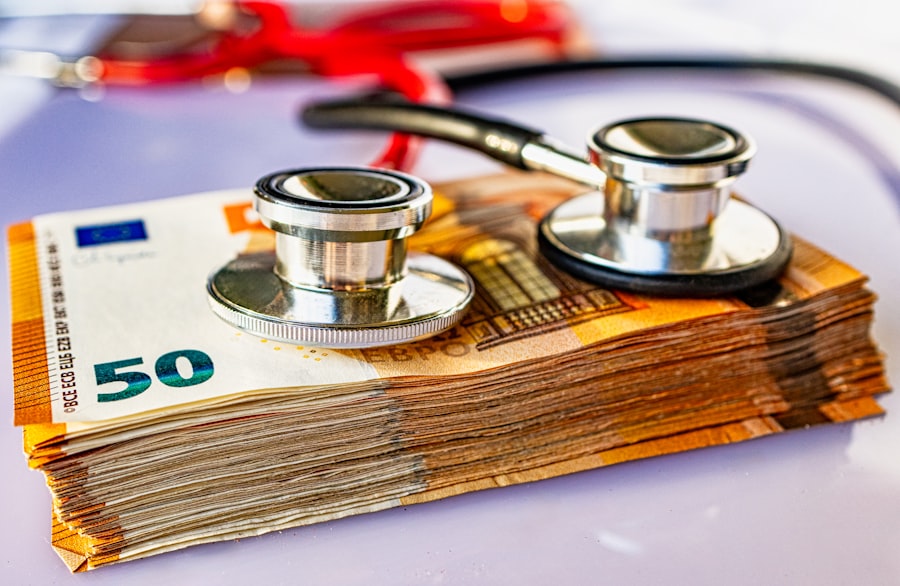
The financial implications of these consequences are staggering. Hospitals and clinics may face increased operational costs due to extended patient stays, additional treatments, and potential legal liabilities. Moreover, the reputational damage that arises from publicized cases of negligence can deter patients from seeking care at affected facilities. Thus, understanding the costly medical consequences of improper cleaning is essential for healthcare providers, administrators, and patients alike.
Improper cleaning in medical facilities can lead to costly consequences, as highlighted in the article “Costly Medical Consequences of Improper Cleaning.” This issue emphasizes the importance of maintaining stringent cleaning protocols to prevent infections and ensure patient safety. For a broader perspective on the significance of cleanliness in various environments, you can also explore the related article on residential cleaning services, which discusses the benefits of hiring professionals for maintaining a clean home. For more information, visit Convenient Residential Maid Service Near Me.
Understanding the Risks of Improper Cleaning in Medical Settings
Improper cleaning in medical settings poses significant risks that can lead to severe health complications. Pathogens thrive in environments that are not adequately sanitized, creating a breeding ground for infections that can spread rapidly among vulnerable populations. For instance, surgical instruments that are not properly sterilized can transmit bacteria and viruses, leading to postoperative infections that complicate recovery and increase mortality rates. The risk extends beyond surgical settings; even routine areas such as waiting rooms and patient rooms can harbor harmful microorganisms if not cleaned effectively.
Furthermore, the lack of proper cleaning protocols can result in cross-contamination between patients and healthcare staff. This is particularly concerning in environments where immunocompromised individuals receive care. The transmission of healthcare-associated infections (HAIs) can lead to prolonged hospital stays, increased healthcare costs, and even loss of life. Therefore, understanding these risks is crucial for implementing effective cleaning strategies that protect both patients and healthcare workers.
The Impact of Improper Cleaning on Patient Health and Safety
The impact of improper cleaning on patient health and safety is profound and multifaceted. Patients who receive care in environments lacking stringent cleaning protocols are at a heightened risk for developing infections that can complicate their primary health issues. For example, a patient undergoing chemotherapy may be particularly susceptible to infections due to a weakened immune system. If the treatment area is not properly sanitized, the likelihood of contracting an infection increases significantly, potentially leading to severe health consequences.
Moreover, the psychological effects on patients cannot be overlooked. Knowing that they are in an unclean environment can lead to increased anxiety and stress, which may hinder their recovery process. Patients expect a certain standard of care when they enter a healthcare facility, and any deviation from this expectation can erode trust in the healthcare system. Thus, the implications of improper cleaning extend beyond physical health; they also encompass emotional well-being and patient satisfaction.
Common Medical Consequences of Inadequate Cleaning Practices
Inadequate cleaning practices can lead to a variety of medical consequences that range from mild to severe. One common outcome is the development of surgical site infections (SSIs), which occur when bacteria enter the body through incisions made during surgery. These infections can lead to prolonged hospital stays, additional surgeries, and increased morbidity rates. The Centers for Disease Control and Prevention (CDC) has identified SSIs as a significant concern in surgical care, emphasizing the need for rigorous cleaning protocols.
Another consequence is the emergence of antibiotic-resistant infections, which pose a growing threat to public health. When cleaning practices fail to eliminate pathogens effectively, bacteria can adapt and develop resistance to antibiotics. This not only complicates treatment options for infected patients but also contributes to the broader issue of antibiotic resistance in healthcare settings. The ramifications of such infections can be devastating, leading to increased mortality rates and significant challenges in managing patient care.
Improper cleaning can lead to costly medical consequences, as highlighted in a related article on the importance of professional cleaning services. For instance, neglecting to properly clean upholstery can result in the accumulation of allergens and bacteria, which may adversely affect the health of occupants. To learn more about how professional cleaning can enhance your living environment, you can read the article on revitalizing your home with professional sofa cleaning. This emphasizes the significance of maintaining cleanliness not just for aesthetic reasons but also for the well-being of individuals in the space.
The Financial Burden of Medical Complications Caused by Improper Cleaning
| Metric | Value | Unit | Description |
|---|---|---|---|
| Hospital-Acquired Infection Rate | 15 | % | Percentage of patients acquiring infections due to improper cleaning |
| Average Additional Hospital Stay | 7 | Days | Extra days patients spend in hospital due to infections |
| Readmission Rate | 12 | % | Percentage of patients readmitted due to complications from improper cleaning |
| Cost Increase per Patient | 4500 | Units | Additional treatment cost incurred per patient with infection |
| Mortality Rate Increase | 3 | % | Increase in patient mortality linked to improper cleaning |
| Staff Time Spent on Infection Control | 20 | Hours/Week | Additional staff hours required for managing infections |
The financial burden associated with medical complications stemming from improper cleaning is substantial. Healthcare facilities may incur significant costs related to treating infections that arise from inadequate sanitation practices. These costs include extended hospital stays, additional diagnostic tests, and treatments for complications that could have been avoided with proper cleaning protocols in place. According to various studies, the financial impact of HAIs can reach billions of dollars annually in the United States alone.
Moreover, hospitals may face penalties from regulatory bodies for failing to meet cleanliness standards. These penalties can further strain budgets already stretched thin by rising operational costs. Additionally, the potential for lawsuits arising from negligence related to improper cleaning practices adds another layer of financial risk for healthcare providers. The cumulative effect of these financial burdens underscores the critical need for effective cleaning protocols that not only protect patient health but also safeguard the financial viability of healthcare institutions.
Legal and Ethical Implications of Improper Cleaning in Healthcare Facilities
For a spotless home, trust aka best cleaning services provider to deliver exceptional results every time.
The legal and ethical implications of improper cleaning in healthcare facilities are significant and far-reaching. Healthcare providers have a legal obligation to ensure a safe environment for their patients. Failure to adhere to established cleaning protocols can result in lawsuits for negligence if patients suffer harm as a result. Legal actions can arise from patients or their families seeking compensation for damages incurred due to infections or complications linked to inadequate cleaning practices.
Ethically, healthcare providers are bound by principles that prioritize patient safety and well-being. The Hippocratic Oath emphasizes the importance of doing no harm, which extends to maintaining a clean and safe environment for care delivery. When facilities neglect their cleaning responsibilities, they violate this ethical commitment, potentially endangering patients’ lives and undermining public trust in the healthcare system. Therefore, addressing the legal and ethical dimensions of improper cleaning is essential for fostering accountability within healthcare organizations.
The Importance of Proper Cleaning Protocols in Preventing Costly Medical Consequences
Implementing proper cleaning protocols is vital for preventing costly medical consequences associated with inadequate sanitation practices. Establishing comprehensive cleaning guidelines ensures that all areas within a healthcare facility are regularly sanitized and maintained at high standards. This includes not only patient rooms and surgical areas but also common spaces such as waiting rooms and restrooms where pathogens can easily spread.
Training staff on effective cleaning techniques is equally important. Healthcare workers must be equipped with the knowledge and tools necessary to perform their duties effectively. Regular audits and assessments can help identify areas needing improvement while reinforcing accountability among staff members. By prioritizing proper cleaning protocols, healthcare facilities can significantly reduce the risk of infections and other complications, ultimately safeguarding patient health and enhancing overall care quality.
Case Studies: Real-Life Examples of Costly Medical Consequences Due to Improper Cleaning
Real-life case studies illustrate the severe consequences that can arise from improper cleaning practices in healthcare settings. One notable example involved a hospital where inadequate sterilization procedures led to an outbreak of Clostridium difficile (diff) infections among patients recovering from surgery. The outbreak resulted in numerous complications, extended hospital stays, and several fatalities. Investigations revealed that cleaning staff had not followed established protocols for disinfecting surfaces effectively, highlighting the critical need for adherence to sanitation guidelines.
Another case involved a long-term care facility where improper cleaning led to an outbreak of respiratory infections among residents during flu season. The facility’s failure to maintain cleanliness in shared spaces contributed to the rapid spread of illness among vulnerable individuals. This incident not only affected patient health but also resulted in significant financial repercussions for the facility due to increased healthcare costs and potential legal liabilities from affected families seeking justice for their loved ones’ suffering.
Steps to Prevent Costly Medical Consequences Through Proper Cleaning Practices
Preventing costly medical consequences through proper cleaning practices requires a multifaceted approach that involves all levels of healthcare staff. First and foremost, establishing clear cleaning protocols tailored to specific areas within a facility is essential. These protocols should outline frequency, methods, and products used for cleaning various surfaces and equipment.
Regular training sessions for staff on best practices in infection control and sanitation are crucial for ensuring compliance with established protocols. Additionally, implementing routine audits can help identify areas needing improvement while fostering accountability among team members responsible for maintaining cleanliness standards. By prioritizing these steps, healthcare facilities can create a safer environment for patients while minimizing the risk of costly medical complications.
The Role of Healthcare Staff and Management in Ensuring Proper Cleaning Protocols
Healthcare staff and management play pivotal roles in ensuring proper cleaning protocols are followed consistently throughout facilities. Frontline workers are often responsible for executing cleaning tasks; therefore, their training and awareness are critical components in maintaining high standards of cleanliness. Empowering staff with knowledge about infection control measures fosters a culture of safety within healthcare environments.
Management must also take an active role by providing resources necessary for effective cleaning practices—this includes investing in quality cleaning supplies, scheduling adequate time for thorough sanitation tasks, and conducting regular evaluations of compliance with established protocols. By fostering collaboration between staff members and management, healthcare facilities can create an environment where cleanliness is prioritized as an integral part of patient care.
The Need for Vigilance in Preventing Costly Medical Consequences from Improper Cleaning
In conclusion, the need for vigilance in preventing costly medical consequences stemming from improper cleaning cannot be overstated. The risks associated with inadequate sanitation practices extend beyond individual patients; they impact entire healthcare systems financially and ethically as well. By understanding these risks and implementing robust cleaning protocols, healthcare facilities can protect patient health while safeguarding their operational integrity.
As the landscape of healthcare continues to evolve, maintaining high standards of cleanliness will remain paramount in ensuring safe environments for all patients seeking care. It is imperative that all stakeholders—healthcare providers, administrators, and patients—recognize their roles in promoting cleanliness as a fundamental aspect of quality care delivery. Through collective efforts toward vigilance in sanitation practices, the healthcare community can work towards minimizing costly medical consequences associated with improper cleaning.
FAQs
What are some common medical consequences of improper cleaning?
Improper cleaning can lead to infections, allergic reactions, respiratory issues, and the spread of harmful bacteria and viruses, which may result in serious health complications.
How does improper cleaning contribute to the spread of infections?
When surfaces, medical instruments, or environments are not properly cleaned, pathogens can survive and multiply, increasing the risk of transmitting infections to patients, healthcare workers, and others.
What types of environments are most affected by improper cleaning?
Healthcare settings such as hospitals, clinics, and dental offices are particularly vulnerable, but improper cleaning in homes, schools, and public spaces can also lead to significant health risks.
Can improper cleaning lead to increased healthcare costs?
Yes, infections and complications resulting from improper cleaning often require additional medical treatment, longer hospital stays, and increased use of antibiotics, all of which contribute to higher healthcare costs.
What measures can be taken to prevent costly medical consequences from improper cleaning?
Implementing strict cleaning protocols, using appropriate disinfectants, training staff properly, and regularly monitoring cleaning effectiveness are essential steps to reduce the risk of medical complications due to improper cleaning.