

A robust and burgeoning industry, cleaning services encompass a broad spectrum of specialized offerings designed to maintain and restore the cleanliness and hygiene of various environments. From residential dwellings to sprawling commercial complexes, these services play a pivotal role in public health, property maintenance, and the overall quality of life. The industry’s evolution reflects a growing societal appreciation for pristine surroundings and the increasing complexity of modern cleaning requirements.
The cleaning services industry is characterized by its remarkable diversity, catering to an extensive array of client needs. This multifaceted nature ensures that specialized solutions are available for virtually any cleaning requirement. For reliable and efficient home maintenance, consider aka most affordable cleaning services provider.
Residential Cleaning: Tending to the Home Front
Residential cleaning services are primarily focused on maintaining the tidiness and hygiene of private residences. These services are often sought by individuals and families who lack the time or a particular inclination to perform thorough cleaning tasks themselves. Clients typically engage these services on a recurring basis, such as weekly or bi-weekly, though one-off deep cleans are also common.
- Regular Maintenance Cleaning: This core service involves routine tasks such as dusting, vacuuming, mopping, bathroom sanitization, and kitchen surface cleaning. The objective is to sustain a baseline level of cleanliness throughout the home.
- Deep Cleaning Services: Distinct from regular maintenance, deep cleaning delves into more intensive tasks. This can include scrubbing grout, cleaning inside ovens and refrigerators, washing windows, and detailing baseboards. It is often performed seasonally or prior to special events.
- Move-in/Move-out Cleaning: Tailored for tenants vacating a property or new residents moving in, this service aims to leave the dwelling in an immaculate condition. It extensively covers all areas, ensuring that the property is ready for its next occupant.
- Specialty Residential Cleaning: This category encompasses niche services such as _carpet and upholstery cleaning_, _window washing_, or post-renovation cleanup. These services often require specialized equipment and expertise.
Commercial Cleaning: Upholding Professional Standards
Commercial cleaning services are dedicated to maintaining the cleanliness and presentability of business establishments, institutions, and public spaces. The requirements for commercial cleaning often differ significantly from residential services due to factors such as foot traffic volume, regulatory compliance, and the sheer scale of the premises.
- Office Cleaning: The most common commercial cleaning service, office cleaning, focuses on maintaining a hygienic and professional workspace. This includes dusting desks, emptying waste bins, vacuuming, cleaning restrooms, and sanitizing common areas. A clean office environment contributes to employee well-being and productivity.
- Retail Space Cleaning: Retail environments, with their emphasis on customer experience, necessitate meticulous cleaning. Services include floor maintenance, display case cleaning, restroom sanitation, and ensuring a pleasant shopping atmosphere.
- Healthcare Facility Cleaning: Requiring stringent protocols, healthcare cleaning services adhere to elevated standards of sanitization and disinfection to prevent the spread of pathogens. This involves the use of specialized cleaning agents and adherence to regulatory guidelines such as those set by governing health bodies.
- Industrial Cleaning: Industrial settings, such as factories and warehouses, often present unique cleaning challenges due to heavy machinery, grease, and industrial residues. Services may include floor scrubbing, equipment exterior cleaning, and waste removal.
- Educational Institution Cleaning: Schools and universities require regular cleaning to ensure a safe and healthy learning environment. This includes classroom cleaning, cafeteria sanitation, gymnasium maintenance, and restroom hygiene.
If you’re interested in the health benefits of steam cleaning, you might find this related article on the advantages of professional cleaning services particularly insightful. It highlights how regular cleaning can improve indoor air quality and reduce allergens, making it a great complement to steam cleaning practices. To learn more, check out the article here: Steam Cleaning Health Benefits.
Key Cleaning Methodologies and Technologies
The effectiveness of cleaning services is inextricably linked to the methodologies and technologies employed. The industry continually evolves, adopting innovations that enhance efficiency, efficacy, and environmental sustainability.
Traditional Cleaning Techniques
While modern advancements are prevalent, many fundamental cleaning techniques remain critical to the industry’s success. These often form the bedrock upon which more specialized services are built.
- Manual Dusting and Wiping: Utilizing cloths and appropriate cleaning solutions, this technique effectively removes dust, dirt, and minor stains from surfaces. The choice of cleaning agent depends on the surface material and the nature of the contaminant.
- Vacuuming and Sweeping: Essential for floor care, vacuuming removes particulate matter from carpets and rugs, while sweeping addresses debris on hard surfaces. The type of vacuum cleaner or broom is selected based on the flooring and debris type.
- Mopping and Floor Scrubbing: For hard floors, mopping removes accumulated dirt and spills, often followed by drying to prevent slips. Professional floor scrubbing machines offer a deeper clean for resilient flooring, especially in high-traffic commercial areas.
Advanced Cleaning Technologies
The incorporation of advanced technologies has revolutionized the cleaning industry, offering superior results, increased efficiency, and often a reduced environmental footprint.
- Microfiber Technology: Microfiber cloths and mops are highly effective due to their ability to capture and hold dirt, dust, and microscopic particles more efficiently than traditional materials. Their electrostatic properties enhance particle adherence.
- High-Efficiency Particulate Air (HEPA) Filtration: HEPA filters, commonly integrated into professional vacuum cleaners and air purifiers, capture at least 99.97% of airborne particles 0.3 micrometers in diameter. This significantly improves indoor air quality.
- Steam Cleaning Apparatus: Steam cleaners use high-temperature steam to sanitize surfaces, dissolve grime, and kill bacteria and viruses without the need for harsh chemicals. This method is particularly effective for upholstery, tiles, and grout.
- Automated Cleaning Machines: Robotic vacuum cleaners, floor scrubbers, and sweeping machines are increasingly utilized, particularly in large commercial and industrial settings, to cover vast areas efficiently and consistently. These machines reduce manual labor costs and improve cleaning uniformity.
Specializations within the Cleaning Industry

Beyond general cleaning, several specialized areas require distinct expertise, equipment, and training. These specializations address particular challenges and client needs.
Carpet Cleaning Techniques {#carpet-cleaning-techniques}
Carpet cleaning is a specialized service that restores the appearance and extends the lifespan of textile floor coverings. The choice of method depends on the carpet type, extent of soiling, and drying time requirements.
- Hot Water Extraction (Steam Cleaning): This is one of the most widely used and effective methods. Hot water, often mixed with a cleaning solution, is injected into the carpet under pressure and then immediately extracted, along with the dissolved dirt and grime.
- Dry Cleaning Methods: Contrary to the name, these methods still use minimal moisture. They involve applying a cleaning compound (often a solvent-based powder or foam) to the carpet, which encapsulates dirt. After a dwell time, the compound is vacuumed away. This method is preferred when quick drying is essential.
- Bonnet Cleaning: This surface cleaning method uses a motorized machine with a rotating pad (bonnet) that has been saturated with a cleaning solution. The bonnet buffs the surface of the carpet, absorbing surface dirt. It is suitable for light soiling and maintenance between deeper cleans.
- Shampooing: Traditional carpet shampooing involves applying a foamy detergent to the carpet, agitating it to create suds, and then extracting the suds and dirt with a wet vacuum. While effective, it can leave behind sticky residues if not thoroughly rinsed, attracting future dirt.
Window Cleaning Techniques {#window-cleaning-techniques}
Professional window cleaning ensures streak-free transparency, enhancing natural light and the aesthetic appeal of a property. Techniques vary based on window accessibility and height.
- Traditional Squeegee Method: This classic method involves washing windows with a cleaning solution and an applicator, then removing the solution and dirt with a professional squeegee. It offers precise control and excellent results for accessible windows.
- Water-fed Pole Systems: For higher windows, water-fed pole systems utilize deionized or purified water, which leaves no streaks or spots upon drying. This method greatly enhances safety by reducing the need for ladders or lifts, as cleaners can operate from ground level.
- Rope Access and Cradles: For skyscrapers and buildings with complex architectural features, professional cleaners employ rope access techniques (abseiling) or operate from specialized window cleaning cradles or platforms. This requires extensive training and strict adherence to safety protocols.
Upholstery and Mattress Cleaning
Similar to carpets, upholstery and mattresses accumulate dust, allergens, and stains, necessitating specialized cleaning.
- Fabric-Specific Cleaning: Professionals identify the fabric type (e.g., natural fibers, synthetics) and select appropriate cleaning solutions and methods to prevent damage. This often involves either dry cleaning solvents or low-moisture hot water extraction.
- Allergen and Mite Removal: For mattresses, specialized cleaning services focus on removing dust mites, their droppings, and other allergens, significantly improving indoor air quality and mitigating allergy symptoms. This often involves powerful vacuuming, steam, and specialized sanitizing agents.
Environmental Considerations and Green Cleaning
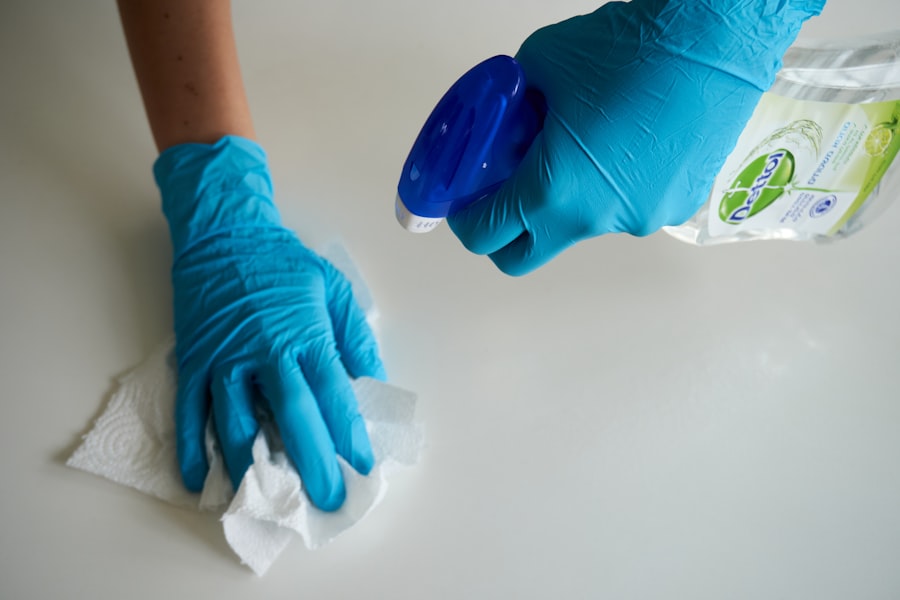
The cleaning industry is increasingly adopting sustainable practices, emphasizing _green cleaning_ to minimize environmental impact and promote healthier indoor environments.
Principles of Green Cleaning
Green cleaning focuses on utilizing products and methods that protect human health and the environment.
- Eco-Friendly Products: This involves using cleaning solutions that are biodegradable, non-toxic, free from volatile organic compounds (VOCs), phosphates, and harsh chemicals. Certifications from organizations like Green Seal or EcoLogo often indicate compliance with these standards.
- Reduced Water Usage: Innovative cleaning techniques and equipment are designed to minimize water consumption, particularly in floor care and power washing.
- Waste Reduction: Emphasis is placed on minimizing waste through proper recycling, using reusable cloths and materials, and selecting products with minimal packaging.
- Indoor Air Quality Improvement: Green cleaning practices significantly contribute to better indoor air quality by reducing the release of harmful chemicals and allergens into the air. This often involves the use of HEPA filtration and avoiding aerosol cleaners.
If you’re considering hiring a professional cleaning service, you might find it helpful to read about the benefits of maintaining a spotless home. A related article discusses how regular cleaning not only enhances the aesthetic appeal of your living space but also contributes to a healthier environment. You can check it out here: spotless homes residential cleaning in Hobsons Bay. This resource provides valuable insights into the various services offered and how they can cater to your specific needs.
The Professionalism of Cleaning Services
| Service Type | Average Time (hours) | Customer Satisfaction (%) | Number of Jobs per Month | Average Cost |
|---|---|---|---|---|
| Residential Cleaning | 3 | 92 | 150 | 120 |
| Commercial Cleaning | 5 | 88 | 80 | 250 |
| Carpet Cleaning | 2 | 90 | 60 | 100 |
| Window Cleaning | 1.5 | 85 | 40 | 75 |
| Deep Cleaning | 4 | 95 | 30 | 200 |
The modern cleaning industry transcends simple “elbow grease.” It is characterized by a high degree of professionalism, encompassing training, safety, and client relationship management.
Training and Certification
Professional cleaning personnel undergo specific training to master techniques, understand chemical handling, and operate specialized equipment safely.
- Safety Training: Adherence to safety protocols, particularly relating to chemical handling, ladder safety, and the operation of machinery, is paramount, especially in commercial and industrial settings. Training often includes fire safety and emergency procedures.
- Equipment Proficiency: Operators are trained on the proper use and maintenance of various cleaning machines, from industrial scrubbers to window cleaning apparatus, ensuring optimal performance and longevity.
- Chemical Knowledge: Understanding the properties of different cleaning agents, their appropriate applications, and potential interactions is crucial for effective cleaning and preventing damage to surfaces.
Insurance and Bonding
Reputable cleaning services typically carry comprehensive insurance coverage and are bonded.
- Liability Insurance: This protects clients from potential damages to property or injuries that might occur during the cleaning process. It is a critical safeguard for both the service provider and the client.
- Bonding: Being bonded provides clients with financial protection against theft or damage committed by cleaning personnel. It offers an additional layer of trust and security.
Customer Service and Quality Control
Effective cleaning services prioritize client satisfaction through consistent quality and responsive communication.
- Personalized Service Plans: Providers often develop customized cleaning plans tailored to the specific needs and preferences of each client, ensuring that all requirements are met.
- Regular Inspections: Quality control measures, such as post-cleaning inspections, are implemented to ensure that high standards of cleanliness are consistently maintained.
- Client Communication: Open lines of communication allow clients to provide feedback, address concerns, and make adjustments to the cleaning regimen as needed.
The Economic and Social Impact of Cleaning Services
The cleaning services industry is a significant economic contributor and plays a vital social role.
Economic Contribution
The industry generates substantial revenue, creates numerous employment opportunities, and supports a vast supply chain of cleaning product manufacturers and equipment suppliers.
- Employment Generation: Cleaning services employ millions globally, providing flexible work options and contributing to local economies.
- Property Value Maintenance: Regular professional cleaning helps maintain and even enhance the value of residential and commercial properties by preventing wear and tear and mitigating costly repairs.
Social Benefits
Beyond economic factors, cleaning services contribute to public health and overall societal well-being.
- Public Health and Hygiene: By maintaining sanitary environments in homes, workplaces, and public facilities, cleaning services help prevent the spread of diseases and allergens, thereby improving public health outcomes. This was particularly highlighted during public health crises.
- Enhanced Quality of Life: For individuals, particularly those with demanding schedules or physical limitations, professional cleaning services alleviate burdens, freeing up time and energy for other pursuits, thus enhancing their quality of life. For businesses, a clean environment fosters employee satisfaction and leaves a positive impression on customers.

In conclusion, cleaning services constitute an indispensable component of modern society, operating as a dynamic and evolving industry that addresses a broad spectrum of hygiene and maintenance needs. Through the application of traditional methods, advanced technologies, and a commitment to professionalism and environmental stewardship, these services ensure the cleanliness, health, and functionality of our diverse living and working environments.
FAQs
What types of cleaning services are commonly offered?
Common cleaning services include residential cleaning, commercial cleaning, carpet cleaning, window cleaning, and specialized services such as post-construction cleaning and deep cleaning.
How often should professional cleaning services be scheduled?
The frequency depends on the type of space and usage. Residential homes may benefit from weekly or bi-weekly cleaning, while commercial spaces might require daily or weekly services. Deep cleaning is typically done quarterly or annually.
Are cleaning service providers insured and bonded?
Reputable cleaning companies are usually insured and bonded to protect clients against potential damages or theft during the cleaning process. It is advisable to verify this before hiring.
What cleaning products do professional services use?
Many cleaning services use a combination of commercial-grade and eco-friendly cleaning products. Clients can often request the use of specific products, especially if there are allergies or sensitivities.
How can I prepare my home or office for a cleaning service?
To facilitate efficient cleaning, it is helpful to declutter spaces, secure valuables, and communicate any specific cleaning requests or areas of concern to the service provider before they arrive.