

Carpet Preservation Expertise
The enduring appeal of carpets, from their intricate designs to their tactile comfort, has made them a cornerstone of interior design and a valuable part of many households for centuries. However, achieving and maintaining this aesthetic and functional longevity is not merely a matter of chance; it requires a deep understanding of textile science, material properties, and environmental factors. Carpet preservation expertise, therefore, represents a specialized field dedicated to safeguarding these valuable floor coverings through a combination of preventative measures, informed cleaning practices, and strategic interventions. This expertise is crucial not only for the visual presentation of a space but also for the economic and historical value that carpets can represent. For top-notch carpet care, trust Attoproperty aka a best cleaning service to refresh your home.
The foundation of effective carpet preservation lies in a thorough knowledge of the materials used in their creation and the methods employed in their construction. Different fibers possess distinct characteristics that dictate their susceptibility to wear, staining, and degradation. Likewise, the way a carpet is woven, tufted, or knotted influences its structural integrity and its response to cleaning and maintenance.
Natural Fibers: Wool, Silk, and Cotton
Natural fibers, while often prized for their luxurious feel and unique aesthetic qualities, come with inherent properties that require careful consideration in preservation. Wool, for instance, a traditional favorite, is known for its resilience, crimp, and natural flame resistance. Its complex protein structure makes it inherently somewhat stain-resistant due to its natural oils, but it is also susceptible to insect damage (moths and carpet beetles) and can be adversely affected by harsh alkaline cleaning solutions. Silk, the epitome of luxury, is known for its lustrous sheen and softness. However, it is far more delicate than wool, prone to crushing, and highly sensitive to moisture and harsh chemicals. Cotton, a common material, offers absorbency and a relatively affordable option, but it is more prone to soiling, fading, and mildew growth if not properly maintained.
Synthetic Fibers: Nylon, Polyester, and Polypropylene
The advent of synthetic fibers revolutionized the carpet industry, offering solutions to some of the limitations of natural materials. Nylon, perennially popular, boasts excellent durability, resilience, and stain resistance, making it a workhorse in high-traffic areas. However, it can be prone to static electricity and can be damaged by certain solvents. Polyester, known for its softness and vibrant color retention, is also resistant to UV light and generally easy to clean. Yet, it can be more susceptible to oily stains and may not possess the same level of resilience as nylon. Polypropylene (olefin), often used in loop pile carpets and outdoor applications, is highly resistant to moisture, mildew, and staining. It is also cost-effective. However, it can be prone to crushing and may not hold intricate patterns as well as other fibers.
Construction Techniques: Weaving, Tufting, and Knotting
The method by which a carpet is manufactured significantly impacts its longevity. Woven carpets, such as Persian or Orientals, are constructed by interlacing warp and weft threads, creating a robust and often intricate structure if made by hand. The tighter the weave and the higher the knot count (in hand-knotted carpets), the greater the density and durability. Tufted carpets, prevalent in mass-produced residential and commercial settings, are made by electronically punching yarn loops through a primary backing fabric, which is then secured with a secondary backing. This method allows for faster production and a wider variety of textures but can sometimes result in less structural integrity than woven carpets. Other methods like needle-punching are employed for felted textiles, offering a dense, low-pile surface often found in industrial or budget-friendly applications.
For those interested in maintaining the quality and longevity of their carpets, a valuable resource can be found in the article on upholstery and carpet steam cleaning. This piece provides insights into effective cleaning techniques that complement carpet preservation expertise. You can read more about it here: Upholstery and Carpet Steam Cleaning.
The Impact of Environmental Factors on Carpet Longevity
Beyond the intrinsic qualities of the carpet itself, external environmental conditions play a critical role in its preservation. These factors can act as silent saboteurs, accelerating wear, promoting degradation, and fostering unhealthy conditions within the carpet fibers. Understanding and mitigating these influences is a key component of expert carpet preservation.
Light Exposure: The Fading Menace
Ultraviolet (UV) radiation from sunlight is a potent enemy of all textile fibers, both natural and synthetic. Prolonged exposure can cause dyes to fade, leading to noticeable disparities in color across the carpet’s surface, particularly in areas exposed to direct sunlight. This fading is a form of photodegradation, where the light energy breaks down the chemical bonds within the dye molecules, rendering them colorless. Preserving carpet vitality often involves strategies such as using UV-filtering window treatments, strategically placing furniture to minimize direct sun exposure, and rotating the carpet or furniture to ensure more even light exposure over time.
Humidity and Moisture: The Gateway to Degradation
Excessive humidity and unaddressed moisture are significant threats to carpet longevity. For natural fibers, high moisture levels can promote the growth of mold and mildew, leading to musty odors, staining, and the deterioration of fiber strength. Even synthetic fibers can be affected; mold can grow on the backing materials and adhesives, compromising the carpet’s structural integrity. Furthermore, moisture can attract and harbor dust mites and other allergens, impacting indoor air quality. Expert preservation involves monitoring humidity levels, ensuring proper ventilation, promptly addressing spills and water damage, and using dehumidifiers in damp environments.
Foot Traffic and Wear Patterns: The Unseen Erosion
The constant stress of foot traffic is perhaps the most visible form of wear a carpet endures. Each step exerts pressure, causing fibers to bend, untwist, and eventually break. This leads to matting, crushing, and the thinning of the carpet pile, particularly in high-traffic pathways. Over time, these worn areas can become permanent, creating a visual testament to the carpet’s journey. While complete elimination of wear is impossible, expert preservation involves strategies like using high-quality rug pads to absorb shock, designating specific wear paths with runners, regular vacuuming to remove abrasive soil, and, in commercial settings, installing mats at entrances to trap dirt before it reaches the carpet.
Pest Infestation: The Silent Devourers
Certain pests, most notably moths and carpet beetles, pose a significant threat to natural fiber carpets. Their larvae feed on the keratin in wool and silk fibers, causing irreparable damage in the form of holes and thinning patches. These infestations can spread rapidly and are often difficult to detect in their early stages. Expert preservation strategies include regular inspections, proper storage of out-of-season rugs, the use of natural deterrents (with caution and knowledge of their efficacy), and prompt treatment if an infestation is discovered.
Professional Cleaning: A Delicate Balancing Act

Cleaning is an indispensable part of carpet preservation, but it is where many preservation efforts can go awry. Improper cleaning methods or the use of inappropriate cleaning agents can inflict more damage than the soiling they aim to remove. Professional cleaning expertise, therefore, is characterized by a nuanced understanding of chemical reactions, water extraction techniques, and the specific needs of different carpet types.
Understanding Soil Types and Removal
Soil on carpets is a complex mixture of dry soil (dust, grit, sand), oily soils (grease, food residue), and water-soluble soils (sugars, salts). Each type requires a different approach for effective removal. Dry soil is abrasive and can grind away at fibers, necessitating thorough vacuuming. Oily soils require solvents or emulsifiers to break them down and lift them from the fibers. Water-soluble soils are generally easier to remove with water-based cleaning solutions. Expert cleaning involves a pre-assessment of the soiling type and the selection of cleaning agents and methods accordingly.
The Role of Cleaning Methods: Hot Water Extraction vs. Dry Cleaning
Hot water extraction (often referred to as steam cleaning) is a widely used method that involves injecting a mixture of hot water and cleaning solution into the carpet and then extracting it, along with dislodged soil. When performed correctly by trained professionals, this method can be highly effective for deep cleaning. However, over-wetting or the use of incorrect solutions can lead to fiber damage, shrinkage, or the promotion of mold growth. Dry cleaning methods, which utilize minimal moisture and special powders or compounds, are sometimes used for more delicate natural fibers or in situations where rapid drying is essential. The choice of method depends heavily on the carpet’s material, construction, and level of soiling.
The Importance of pH Levels and Chemical Reactions
The pH of cleaning solutions is a critical consideration in carpet preservation. Alkaline solutions can strip the natural oils from wool fibers, making them more susceptible to damage and breakage. Conversely, overly acidic solutions can also degrade certain fibers and dyes. Professional carpet cleaners understand the importance of using pH-balanced cleaning agents that are specifically formulated for different fiber types and stain challenges. They recognize that carpet fibers are not inert materials but complex organic structures that react to chemical stimuli.
Rinsing and Residue Management: The Unseen Culprit
A common pitfall in carpet cleaning is the failure to adequately rinse out cleaning solutions. Leftover detergent residue acts like a magnet for dirt, attracting more soiling and causing the carpet to reappear dirty sooner than expected. This residue can also stiffen fibers and contribute to premature wear. Expert preservation involves thorough rinsing with clean water to ensure all cleaning agents are removed, leaving the carpet fibers clean and free from attractants.
Conservation and Restoration: Bringing Back the Glory
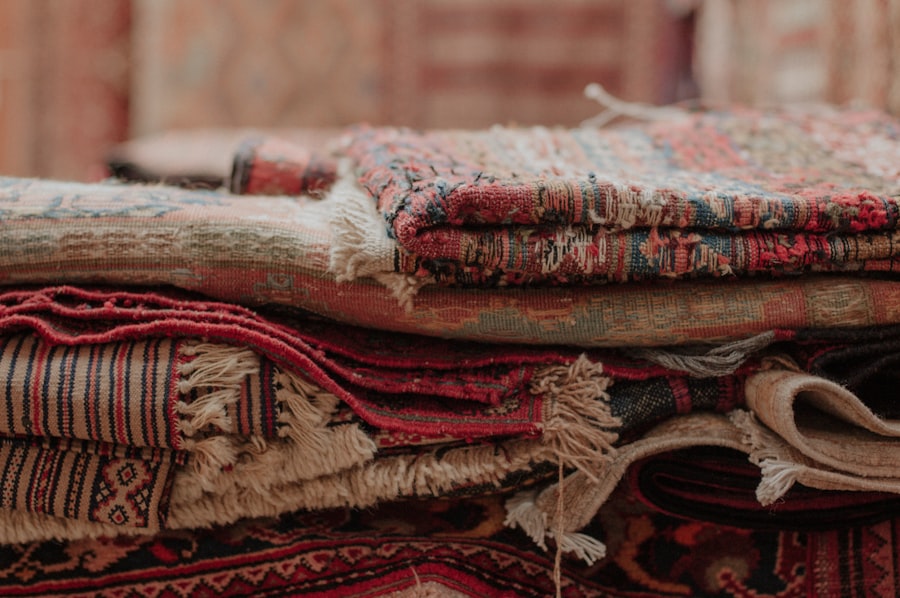
For carpets that have sustained significant damage, wear, or discoloration, conservation and restoration expertise become paramount. This specialized area moves beyond routine cleaning and delves into the intricate art and science of repairing and preserving historical or valuable textiles.
Identifying and Repairing Wear and Tear
Conservation specialists are trained to identify the subtle signs of wear and tear that might escape the untrained eye. This includes recognizing areas of fiber fatigue, loosening yarns, and developing holes. Depending on the severity, repairs can range from re-tensioning loose weave to carefully re-knotting or re-weaving damaged areas. The goal is to blend repairs seamlessly with the original fabric, preserving the carpet’s aesthetic integrity.
Stain Removal and Color Restoration: A Delicate Art
Removing stubborn stains from antique or delicate carpets can be a high-stakes endeavor. Experts employ a range of specialized techniques, from poultices and controlled chemical treatments to carefully monitored wet cleaning, all with the goal of lifting the stain without damaging the underlying fibers or dyes. Color restoration, when necessary, involves advanced dyeing techniques to match original hues, a process that demands an intimate understanding of textile dyes and their interactions with various fibers.
Structural Stabilization and Backing Repair
The structural integrity of a carpet is fundamental to its preservation. Over time, backing fabrics can degrade, adhesives can weaken, and selvages can unravel. Conservationists often undertake structural stabilization, which might involve reinforcing the backing, repairing or replacing damaged selvages, and addressing any underlying issues that threaten the carpet’s overall stability. This is akin to reinforcing the foundation of a historic building to ensure its continued existence.
Documentation and Archival Practices
| Metric | Description | Typical Value | Measurement Unit |
|---|---|---|---|
| Fiber Retention Rate | Percentage of carpet fibers retained after cleaning and preservation | 95-99 | % |
| Stain Removal Efficiency | Effectiveness in removing common stains without damaging carpet | 90-98 | % |
| Drying Time | Time taken for carpet to dry after preservation treatment | 2-6 | hours |
| pH Level of Cleaning Solution | Acidity or alkalinity of cleaning agents used for preservation | 6.5-8.5 | pH |
| Carpet Longevity Increase | Estimated increase in carpet lifespan due to preservation techniques | 20-40 | % |
| Allergen Reduction Rate | Reduction in allergens present in carpet after treatment | 85-95 | % |
| Environmental Impact Score | Rating of eco-friendliness of preservation methods (lower is better) | 1-3 | Scale (1-10) |
For historical or museum-quality carpets, meticulous documentation and archival practices are essential. This involves detailed recording of the carpet’s condition, materials, construction, and any interventions performed. High-resolution photography, material analysis, and comprehensive written reports create a historical record that is invaluable for future study, conservation, and authentication. This ensures that the knowledge gained from preserving such pieces is not lost but can be passed down through generations of experts.
For those interested in maintaining the quality and longevity of their carpets, exploring the importance of proper cleaning methods is essential. A related article on advanced cleaning technologies can provide valuable insights into effective carpet care. You can read more about these innovative solutions in this informative piece on UVC disinfecting systems, which highlights how modern techniques can enhance the preservation of your carpets while ensuring a healthier living environment.
Preventive Maintenance: Proactive Preservation Strategies
The most effective form of carpet preservation is proactive. Rather than waiting for damage to occur and then attempting to repair it, expert preservationists advocate for comprehensive preventive maintenance strategies. These are the daily and periodic habits that significantly extend a carpet’s lifespan and maintain its visual appeal.
Regular and Proper Vacuuming: The First Line of Defense
As mentioned previously, regular and proper vacuuming is the cornerstone of preventive maintenance. The goal is to remove dry soil before it has a chance to become embedded in the carpet fibers and cause abrasion. Experts advise using a vacuum cleaner with adjustable height settings to ensure optimal suction without damaging the carpet pile. For looped or Berber carpets, beater bars should be disengaged to prevent snagging. Frequent vacuuming, especially in high-traffic areas, is far more effective than infrequent, deep cleaning.
The Role of Rug Pads: Cushioning and Protection
High-quality rug pads are not just for comfort; they are critical components of carpet preservation. A good pad acts as a shock absorber for foot traffic, reducing the stress on carpet fibers and extending their life. It also helps prevent the carpet from slipping, which can cause undue stretching and abrasion on the backing. Furthermore, some rug pads offer moisture barriers, protecting the subfloor from spills and accidents that might otherwise lead to costly damage. The choice of rug pad material and thickness should be appropriate for the specific carpet type and flooring underneath.
Entrance Matting: The Gatekeepers of Cleanliness
A simple yet incredibly effective preventive measure is the strategic placement of entrance matting. Placing durable mats both outside and inside entryways traps a significant percentage of the dirt, grit, and moisture that would otherwise be tracked onto the carpet. This significantly reduces the amount of abrasive soil that enters the interior space, thereby lessening the wear and tear on the main carpeted areas. Regular cleaning of this matting is also crucial to ensure it effectively performs its function.
Rotation and Flipping: Ensuring Even Wear
For carpets that experience uneven traffic patterns or differential light exposure, rotation and flipping can be beneficial. Rotating a carpet by 180 degrees can help redistribute wear and prevent specific areas from becoming excessively matted or faded. For certain types of area rugs, periodically flipping them over allows the backing to air out and can reveal potential issues before they become significant. This practice is particularly useful for rugs that are frequently moved or rearranged.
Prompt Spill Response: The Swift Action Imperative
The adage “a stitch in time saves nine” holds particularly true for carpet preservation when it comes to spills. Addressing spills immediately upon occurrence is crucial for preventing permanent staining. Experts recommend blotting liquids rather than rubbing, which can spread the stain and damage fibers. Using clean white cloths and working from the outside of the spill inwards is a standard technique to contain and lift the offending substance. For more persistent stains, the prompt application of appropriate, carpet-safe cleaning solutions further increases the likelihood of successful removal. The longer a spill sits, the deeper it permeates the fibers and the more challenging it becomes to remediate.
FAQs
What is carpet preservation?
Carpet preservation refers to the methods and practices used to maintain the appearance, durability, and cleanliness of carpets over time. This includes regular cleaning, proper maintenance, and protective treatments to extend the carpet’s lifespan.
Why is carpet preservation important?
Preserving carpets helps prevent premature wear and tear, reduces the need for costly replacements, and maintains a healthy indoor environment by minimizing dust, allergens, and stains.
What are common techniques used in carpet preservation?
Common techniques include regular vacuuming, professional deep cleaning, stain removal treatments, application of protective coatings, and controlling foot traffic to reduce damage.
How often should carpets be professionally cleaned?
It is generally recommended to have carpets professionally cleaned every 12 to 18 months, though high-traffic areas or homes with pets and allergies may require more frequent cleaning.
Can carpet preservation methods vary based on carpet type?
Yes, different carpet materials and constructions may require specific preservation techniques. For example, wool carpets may need gentler cleaning methods compared to synthetic fibers, and some carpets benefit from specialized protective treatments.