

When it comes to maintaining the aesthetic appeal and longevity of your textiles, understanding the importance of fabric protection is paramount. You may not realize it, but the fabrics in your home or office are constantly exposed to potential damage from spills, stains, and wear. Whether it’s a beloved sofa, a cherished rug, or your office chairs, these items can quickly lose their charm if not properly protected.
Fabric protection acts as a barrier against everyday mishaps, ensuring that your investments remain in pristine condition for years to come. Moreover, fabric protection is not just about preserving appearances; it also plays a crucial role in hygiene. Fabrics can harbor dust mites, allergens, and bacteria, which can affect your health and comfort.
By applying protective treatments, you can create a cleaner environment that is less prone to these issues. This is especially important in spaces where you spend a significant amount of time, such as your living room or workspace. Understanding the multifaceted benefits of fabric protection can empower you to make informed decisions about how to care for your textiles.
Key Takeaways
- Fabric protection is important for maintaining the appearance and longevity of furniture, upholstery, carpets, and rugs.
- Types of fabric protection products include sprays, solutions, and coatings that create a barrier against stains and spills.
- Fabric protection offers benefits such as easier cleaning, stain resistance, and preservation of fabric color and texture.
- When choosing fabric protection, consider the type of fabric, level of protection needed, and application method.
- Proper application and maintenance of fabric protection products are essential for maximizing their effectiveness and durability.
Types of Fabric Protection Products
As you explore the world of fabric protection, you’ll discover a variety of products designed to meet different needs. One of the most common types is water and stain repellents, which create a barrier that prevents liquids from penetrating the fabric. These products are particularly useful for upholstery and carpets, where spills are likely to occur.
You might find options that are specifically formulated for certain materials, ensuring that you get the best possible protection without compromising the fabric’s integrity. In addition to repellents, there are also specialized treatments that offer UV protection. If you have fabrics exposed to sunlight, such as curtains or outdoor furniture, UV protectants can help prevent fading and deterioration over time.
Another category includes antimicrobial treatments that inhibit the growth of bacteria and mold, making them ideal for high-traffic areas or homes with pets. By understanding the different types of fabric protection products available, you can select the ones that best suit your specific needs and lifestyle.
Benefits of Fabric Protection for Home and Office Cleaning

The benefits of fabric protection extend beyond mere aesthetics; they significantly simplify cleaning processes in both home and office environments. When you invest in fabric protection, you’ll find that spills and stains are easier to manage. Instead of panicking over a red wine spill on your favorite couch or a coffee stain on your office chair, you can simply blot the area and clean it with minimal effort.
This ease of maintenance not only saves you time but also reduces stress associated with potential damage. Additionally, fabric protection can enhance the overall lifespan of your textiles. By preventing stains and wear from taking hold, you’re effectively prolonging the life of your furniture and upholstery.
This means fewer replacements and repairs over time, which can lead to significant cost savings in the long run. In both home and office settings, maintaining a clean and inviting atmosphere is essential for comfort and productivity. With effective fabric protection in place, you can ensure that your environment remains welcoming and functional.
How to Choose the Right Fabric Protection for Your Needs
| Factors to Consider | Options |
|---|---|
| Level of Protection | Basic, Advanced, Maximum |
| Application Method | Spray, Wipe-on, Professional Application |
| Durability | Short-term, Long-term |
| Compatibility | For specific fabrics (e.g. upholstery, outdoor, clothing) |
| Environmental Impact | Eco-friendly, Chemical-based |
Choosing the right fabric protection requires careful consideration of several factors. First and foremost, assess the type of fabric you’re working with. Different materials have unique properties and may respond differently to various treatments.
For instance, natural fibers like cotton or wool may require different care compared to synthetic fabrics like polyester or nylon. Understanding these differences will help you select a product that is compatible with your textiles. Next, consider your lifestyle and specific needs.
If you have children or pets, you might prioritize products that offer robust stain resistance and easy cleaning capabilities. On the other hand, if your fabrics are primarily decorative and not subject to heavy use, you may opt for lighter treatments that focus on UV protection or general maintenance. Additionally, think about any allergies or sensitivities within your household; some products may contain chemicals that could trigger reactions.
By taking these factors into account, you can make an informed decision that aligns with your requirements.
Application and Maintenance of Fabric Protection
Once you’ve chosen the right fabric protection product, understanding how to apply it effectively is crucial for achieving optimal results. Most fabric protection treatments come with specific instructions that should be followed closely. Generally, you’ll want to ensure that the fabric is clean and dry before application.
This may involve vacuuming or spot cleaning any existing stains to ensure that the protective layer adheres properly. After applying the treatment, regular maintenance is key to preserving its effectiveness. Depending on the product used, you may need to reapply it periodically—typically every six months to a year—to maintain its protective qualities.
Regular cleaning also plays a role; using appropriate cleaning methods will help extend the life of both the fabric and its protective layer. By committing to proper application and maintenance practices, you can maximize the benefits of your fabric protection investment.
Fabric Protection for Different Types of Fabrics
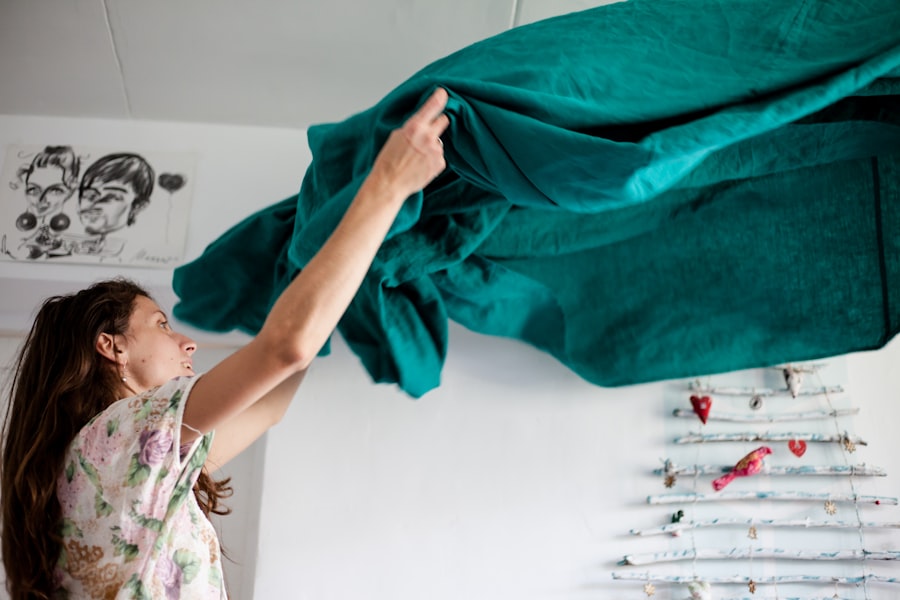
Not all fabrics are created equal when it comes to protection needs. Understanding how different types of fabrics respond to various treatments will help you make informed choices for each item in your home or office. For instance, delicate fabrics like silk or linen require gentle care; using harsh chemicals or heavy-duty protectants could damage their fibers.
Instead, look for specialized products designed specifically for these materials. On the other hand, more durable fabrics like canvas or synthetic blends can often withstand stronger treatments without compromising their integrity. These materials may benefit from robust water repellents or stain guards that provide long-lasting protection against spills and dirt.
By tailoring your approach based on the specific characteristics of each fabric type, you can ensure that all your textiles receive the appropriate level of care they deserve.
DIY Fabric Protection Methods
If you’re inclined towards a hands-on approach, there are several DIY methods for fabric protection that you might find effective. One popular option involves using a mixture of water and white vinegar as a natural stain repellent. This solution can be sprayed onto fabrics to create a light barrier against spills while also helping to neutralize odors.
However, it’s essential to test this method on a small area first to ensure it doesn’t alter the color or texture of the fabric. Another DIY method involves using beeswax or paraffin wax to create a waterproof barrier on outdoor fabrics like canvas tents or patio cushions. By melting the wax and applying it evenly across the surface, you can enhance water resistance significantly.
While these methods may not provide the same level of durability as commercial products, they can be effective for light use and offer an eco-friendly alternative for those looking to protect their fabrics without harsh chemicals.
Professional Fabric Protection Services
For those who prefer a more hands-off approach or have valuable textiles that require expert care, professional fabric protection services are an excellent option. These services typically employ advanced techniques and high-quality products designed specifically for various types of fabrics. Professionals have the experience necessary to assess your textiles accurately and recommend appropriate treatments tailored to their unique needs.
Additionally, professional services often include thorough cleaning before applying protective treatments, ensuring that any existing stains or dirt are removed effectively. This comprehensive approach not only enhances the effectiveness of the protective layer but also revitalizes your fabrics’ appearance. While this option may come at a higher cost than DIY methods, the peace of mind that comes from knowing your textiles are in expert hands can be well worth the investment.
Fabric Protection for Upholstery and Furniture
Upholstery and furniture represent significant investments in your home or office environment; therefore, protecting them should be a top priority. Fabric protection for upholstery typically involves applying specialized sprays or treatments designed to repel stains and spills while maintaining breathability and comfort. When selecting a product for upholstery, consider factors such as texture compatibility and ease of cleaning.
In addition to applying protective treatments, regular maintenance is essential for keeping upholstered furniture looking its best. Vacuuming frequently helps remove dust and debris that can wear down fibers over time. Spot cleaning any spills immediately will also prevent stains from setting in before they become permanent fixtures on your furniture.
By combining protective treatments with diligent care practices, you can extend the life of your upholstery significantly.
Fabric Protection for Carpets and Rugs
Carpets and rugs are often subjected to heavy foot traffic and potential spills, making them prime candidates for fabric protection treatments. Applying a protective layer on carpets helps prevent stains from setting in while also making routine cleaning more manageable. Many carpet protectants are designed to repel liquids and dirt while allowing for easy vacuuming without damaging fibers.
When selecting fabric protection for carpets and rugs, consider factors such as pile height and material composition. Some products may be more suitable for natural fibers like wool, while others work best on synthetic blends. Additionally, regular professional cleaning can enhance the effectiveness of protective treatments by removing deep-seated dirt and allergens that regular vacuuming might miss.
By prioritizing carpet protection alongside routine maintenance, you can keep your floors looking fresh and inviting.
Long-term Cost Savings with Fabric Protection
Investing in fabric protection may seem like an additional expense upfront; however, it often leads to significant long-term cost savings. By preventing stains and damage from occurring in the first place, you reduce the need for costly repairs or replacements down the line. This is particularly true for high-quality upholstery or carpets that can be expensive to replace entirely.
Moreover, maintaining clean fabrics through effective protection means less frequent professional cleaning services are required over time—saving you both money and hassle in managing upkeep costs. When considering the overall lifespan of your textiles alongside potential repair expenses due to neglect or damage caused by spills or wear-and-tear issues, it becomes clear that investing in fabric protection is not just wise; it’s financially savvy as well. In conclusion, understanding fabric protection’s importance allows you to make informed decisions about caring for your textiles at home or in an office setting.
With various products available tailored to different needs—alongside DIY methods or professional services—you have numerous options at your disposal to ensure longevity while enjoying aesthetic appeal throughout every space filled with cherished fabrics.
FAQs
What is advanced fabric protection in cleaning home and office?
Advanced fabric protection is a specialized treatment that is applied to fabrics in order to repel stains, spills, and dirt. This treatment helps to keep fabrics looking newer for longer and makes them easier to clean.
How does advanced fabric protection work?
Advanced fabric protection works by creating a barrier on the fabric that repels liquids and prevents them from being absorbed. This barrier helps to prevent stains and spills from setting into the fabric, making it easier to clean and maintain.
What types of fabrics can benefit from advanced fabric protection?
Advanced fabric protection can be applied to a wide range of fabrics, including upholstery, carpets, rugs, and curtains. It is particularly beneficial for high-traffic areas and areas that are prone to spills and stains.
Is advanced fabric protection safe for use in homes and offices?
Yes, advanced fabric protection is safe for use in homes and offices. The treatment is non-toxic and environmentally friendly, and it does not affect the look or feel of the fabric.
How long does advanced fabric protection last?
The longevity of advanced fabric protection can vary depending on the type of fabric and the level of use. In general, the treatment can last for several years with proper care and maintenance.
Can advanced fabric protection be reapplied?
Yes, advanced fabric protection can be reapplied as needed. Over time, the protective barrier may wear off, especially in high-traffic areas, and reapplication can help to maintain the fabric’s protection.